
This article examines an alleged leak of sensitive personal data for roughly 4,500 Department of Homeland Security employees, explains why this is a national security and public-safety threat, names the key actors described in reporting, and lays out the implications for federal personnel and their families.
The latest reporting says a Department of Homeland Security whistleblower provided a large cache of personnel details to a group called ICE List, claiming tens of thousands of pages or records were exposed. The material reportedly covers names, work emails, phone numbers, job roles, and some employment history for ICE and Border Patrol staff. From a conservative perspective, this is not a harmless transparency move; it is reckless and endangers lives and operations.
Sensitive details of around 4,500 ICE and Border Patrol employees—including almost 2,000 agents working in frontline enforcement—have allegedly been released by a Department of Homeland Security whistleblower following last week’s fatal shooting of Renee Nicole Good.
Leaks have long been used as political tools, but this feels different because it targets rank-and-file civil servants and their families, not just policy-makers. Exposing residential addresses and personal contact details makes people vulnerable to harassment, violence, and intimidation. The consequences fall hardest on those who do not have protective details or high-level security clearances.
The group that published the material reportedly operates outside U.S. jurisdiction and claims an accountability motive while openly opposing the mission of ICE and CBP. That posture matters because it strips away any pretense of neutral whistleblowing and replaces it with ideological targeting. From a law-and-order conservative view, acting as judge, jury, and assailant by publishing private information is indefensible.
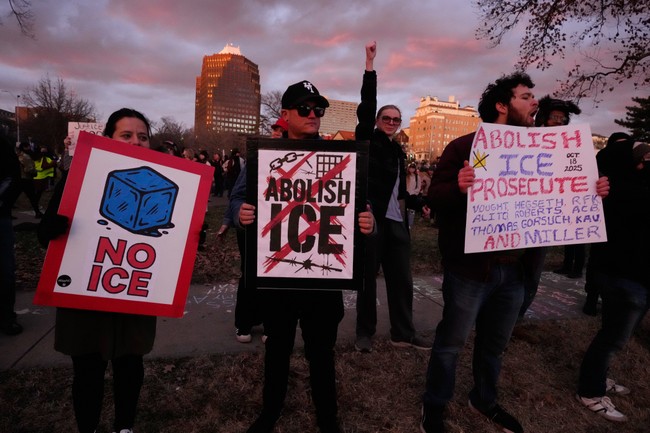
The Jan. 7 killing of the mother by ICE agent Jonathan Ross in Minneapolis, Minnesota, has sparked nationwide protests and worldwide outrage, including among some DHS employees.
The alleged leak to ICE List, a self-styled “accountability initiative,” is believed to be the largest ever breach of DHS staff data. It appears to include names, work emails, telephone numbers, roles, and some resumé data, including previous jobs of federal immigration staff.
ICE List founder, Dominick Skinner, told the Daily Beast: “It is a sign that people aren’t happy within the U.S. government, clearly. The shooting [of Good] was the last straw for many people.”
Violent acts deserve investigation and appropriate accountability, but weaponizing data against thousands of public servants will not produce constructive reform. Instead, it will chill government work, push experienced people out of public service, and create new targets for extremists. That reality should alarm anyone who cares about public safety and functioning government institutions.
When privately held servers and foreign hosting are used to sidestep accountability, the risk multiplies. The founder reportedly lives and hosts servers abroad to avoid U.S. legal reach, which complicates any attempt to mitigate the damage or pursue legal remedies. Elected officials and law enforcement must take this globalized digital threat seriously while respecting lawful channels and due process.
Practical safeguards should include tighter internal controls on personnel data, rapid notification for affected employees, and clear steps to secure residences and families when threats emerge. Conservatives support protecting civil liberties, but those protections cannot extend to allowing deliberate endangerment of individuals through mass publication of private data. Protecting people must come first.
At the same time, this incident exposes an erosion of trust inside government ranks that must be repaired. Employees who see no lawful outlet for concerns may still choose improper avenues, and that undermines institutions. Leadership that enforces standards, protects staff, and fosters lawful whistleblowing is essential to prevent future breakdowns.
Federal investigators now face two separate tasks: determining how the data left secure systems and responding to the immediate risk posed by public disclosure. Both are law enforcement priorities regardless of political affiliation, and Republicans should press for swift, thorough action to hold accountable those who facilitated the leak. This response must balance transparency about the incident with protection for victims.
Published statements from the group behind the disclosure make clear their moral opposition to ICE and CBP, and that ideological stance changes the character of the act from complaint to attack. The argument that publishing the lists is justified because of policy disagreements fails when it exposes innocents and disrupts operations critical to public safety. Rights to protest and criticize do not include a license to endanger others.
For the thousands named and their families, the immediate priority is safety: secure communications, risk assessments, and assistance where needed. For lawmakers and agency leaders, the priority is restoring trust and preventing repeat incidents through improved cyber hygiene and personnel safeguards. These are commonsense, nonpartisan steps that conservatives should advocate for as part of defending the rule of law.
Law enforcement agencies must pursue those responsible to the fullest extent allowed by law, and Congress should consider oversight measures to ensure no repeat. This is a moment for clear-eyed action, not opportunistic virtue signaling. Reckless leaks that endanger people and hamper law enforcement cannot be tolerated.



Add comment