
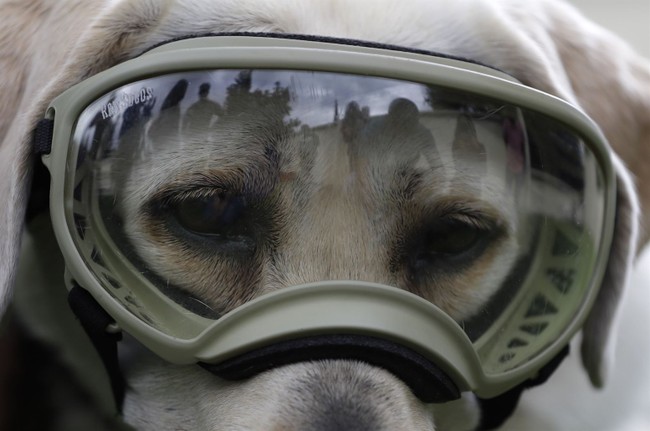
Phoenix, a yellow Labrador in Rhode Island, fell through pond ice on New Year’s Day and was rescued by volunteer firefighters who donned ice rescue suits; the dog and rescuers recovered without serious injury. The incident highlights the toughness and temperament of Labradors, the risks of winter ice, and the professionalism of first responders who handled a cold-water rescue in near-freezing temperatures. This retelling preserves direct quotes from the rescue report and describes the scene, the animals, and the practical reminders that come with a close call on thin ice.
Labrador Retrievers are steady, capable dogs known for their strength and good nature, traits that often make them excellent hunting and family companions. My family’s Labs are both goofy and dependable, which is typical for the breed and probably why Phoenix was out enjoying the day near the pond. People trust Labs for their retrieval work and calm demeanor, and that trust often extends to allowing them a bit more freedom around water.
According to the Misquamicut Fire Department, volunteer firefighters and other emergency officials were dispatched early Thursday morning for a water rescue. Once on scene, firefighters saw a dog named Phoenix struggling and unable to move to shore in the slushy, icy water.
Members from both the Misquamicut and Watch Hill fire departments donned ice rescue suits, which help protect the body from frigid temperatures, to enter the pond and successfully rescue Phoenix. The National Weather Service reported it was 26 degrees Fahrenheit around 9 a.m. on Thursday, with the wind chill dropping the temperature to 14 degrees.
“It was the chillest dog I’ve ever seen in my life,” said Steve Howard, deputy chief of the Misquamicut Fire Department, in a phone interview on Friday. “The dog never made a sound. He was pretty chill.”
When animals slip through ice, the clock is unforgiving; water robs body heat quickly and the slush makes movement nearly impossible. The volunteers acted fast, putting on protective suits designed to limit exposure to the frigid water, and went in to bring Phoenix out. That kind of quick, organized response is exactly what saves lives in water rescues, whether the subject is human or canine.
Phoenix was lucky in several ways: the rescue teams were nearby and trained for ice operations, the gear protected the rescuers, and the dog endured the ordeal without vocal panic. Labs often keep a calm affect even under stress, which may have helped the team locate and extract him from the slushy opening. Afterward, the crews were checked for hypothermia and fortunately did not need treatment, which is a relief given the harsh conditions.
Humans often learn hard lessons from animal close calls, and this one offered a clear reminder to monitor pets carefully near frozen bodies of water. Ice strength is unpredictable and can vary widely across a single pond, where currents, springs, and temperature changes make some spots dangerously thin. Even in places where winter feels routine, those variables mean a walk near the shore should be conducted with extra caution.
There’s also something plain and comforting about watching a simple rescue end on a warm note: Phoenix got extra food and took a nap, and the crew returned safely to their routine. Small acts after a scare—a warm towel, a hot meal, a nap—do a lot to restore a pet’s equilibrium and reassure owners. Those mundane comforts matter, and they underscore how ordinary kindness and competent emergency service mix to produce good outcomes.
While the firefighters were evaluated for possible hypothermia, they did not require treatment. The fire departments described the incident as “a successful first call of 2026,” in a statement posted on Facebook.
“He got a little bit of extra food last night,” Howard said. “And he took a little nap.”
For owners and anyone who spends time outdoors in winter, the case of Phoenix is a useful nudge to think about prevention and preparedness. Keep dogs leashed or closely supervised near ice, learn the signs of cold-water immersion, and know how to contact local rescue services quickly. Simple precautions prevent most of these scares and spare both animals and people from dangerous, avoidable situations.
Finally, credit goes to the volunteer firefighters who put training and equipment to work without hesitation, and to the ordinary instincts of a dog that made it through a terrifying incident with minimal fuss. The scene could have ended much worse, but the combination of good gear, quick action, and some canine stoicism produced a real happy ending for Phoenix and reassurance for his family.



God bless all involved and that good pooch!~
A chilly twist to a mythological legend!
Not like an ancient Phoenix that rose from the ashes but instead this Phoenix rose from the ice!