
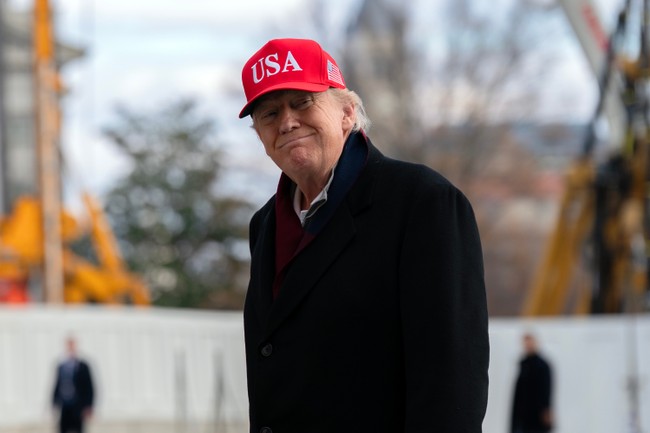
I’ll review how mainstream outlets shifted focus from one president’s decline to another’s fitness, explain the context behind fresh coverage of President Trump, reproduce his exact response in full, assess the political motives driving the stories, and outline why schedule differences don’t equal incapacity.
The media conversation that began this spring about presidential fitness has pivoted in predictable ways. Reporters who raised alarms about one leader’s struggles have quietly shifted gears to apply the same yardstick to President Trump, framing routine changes in public scheduling as signs of fatigue. This piece looks at that pivot and why it feels less like objective reporting and more like a narrative hunt.
Many outlets now point to fewer public events and a different rhythm to the president’s daily calendar as evidence that age is dragging him down. They compare his current schedule to the early months of his first term, spotlighting a concentration of appearances during daylight hours and a drop in domestic travel. That comparison is presented as though a leaner public calendar is proof of decline rather than a strategic choice.
Context matters, and the context these outlets often omit is the full scope of presidential responsibilities. This administration has traded constant domestic rallies for diplomacy, policy work, and targeted appearances that advance an agenda rather than fill a calendar. Taking more foreign trips and engaging senior officials, CEOs, and foreign leaders can reduce the number of flashy, public events without signaling physical or cognitive deterioration.
Conservative observers note another factor seldom admitted by critics: experience changes how a president chooses to operate. Returning to the White House after an eight-year campaign against him, facing legal battles, and surviving assassination attempts gives a leader different priorities. Those priorities can include leveraging trusted advisers to handle ground-level tasks while the president focuses on strategy, negotiations, and high-impact travel.
When networks and columnists push the age narrative, it often serves a partisan purpose. Framing a busy, results-driven schedule as evidence of weakness advances a story that many in the press want to tell about a popular conservative figure. Coverage that highlights when public appearances occur, while ignoring outcomes like economic gains or foreign policy wins, skews the public’s view away from results and toward noise.
That skew is why conservatives push back when outlets translate schedule changes into a question of capacity. Public engagement patterns change for practical reasons: different foreign travel demands, concentrated policy windows, or tactical choices about messaging. Calling that a sign of slippage is a leap that relies more on inference than on demonstrable decline.
The president himself responded forcefully to the mounting speculation, and his words are central to this debate. He wrote: “I settled 8 Wars, have 48 New Stock Market Highs, our Economy is Great, and our Country is RESPECTED AGAIN all over the World, respected like never before. The last Administration had the Highest Inflation in history – I have already brought that down to normal, and prices, including groceries, are coming down. To do this requires a lot of Work and Energy, and I have never worked so hard in my life.”
That statement frames his schedule as deliberate and results-oriented, not evidence of decline. Conservatives point to measurable outcomes — market highs, inflation reductions, diplomatic milestones — to rebut vague assertions that the president is showing his age. The debate then becomes whether outcome-based evidence or appearance-driven skepticism should carry more weight with the public.
Journalists who compare administrations often ignore that no two presidencies unfold the same way. A leader with prior experience in office will take a different tactical approach to visibility and timing than a first-term president still learning ropes. Expecting identical calendars across terms is a poor basis for claiming incapacity; it’s a recipe for mistaking strategy for weakness.
Politics also colors this discourse: narratives about a president’s stamina are an easy rhetorical wedge for opponents and a tempting headline generator for outlets seeking engagement. When stories emphasize noon-to-five public events without tying them to outcomes, readers get a picture skewed toward suspicion rather than substance. That benefits critics more than it serves truth.
In short, scrutiny of presidential fitness is valid when it rests on facts and consistent standards, not selective comparisons and innuendo. Observers should judge leaders by what they accomplish and how they carry out duties, not merely by the clock hours when they choose to appear. Coverage that hides the full picture does a disservice to the public debate and to fair reporting.
Add comment