
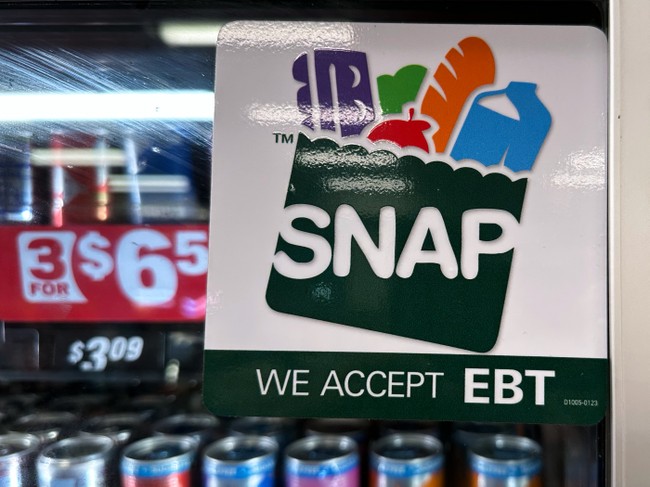
The Minnesota SNAP and child-nutrition fraud case and pandemic-era unemployment theft expose a national breakdown in accountability, showing how emergency rules, outdated systems, and a rush to distribute aid created a fraud bonanza that left taxpayers on the hook and employers paying the bill.
Every major public scandal is a chain of bad choices, not a lone misstep. Minnesota’s Feeding Our Future prosecution is the largest COVID-era fraud case in the country and it illustrates how emergency priorities sidelined basic controls. Politicians and bureaucrats treated speed as the only priority, and that created predictable consequences.
Prosecutors allege the scheme diverted $250 million intended to feed children during the pandemic. Fraudsters set up fake meal sites, filed phony invoices, and invented recipients, then spent proceeds on luxury cars and moved cash overseas. Auditors raised warnings and federal partners objected, but the political fear of slowing aid trumped accountability.
The child-nutrition scandal got headlines, but the larger financial calamity was in unemployment insurance. Pandemic-era unemployment suffered tens of billions in improper payments, with fraud estimates between $100 and $135 billion and total questionable payouts approaching $200 billion. States have recovered almost none of that, leaving trust funds depleted and taxpayers exposed.
Some states reported eye-popping losses: Ohio identified more than $1 billion in pandemic unemployment overpayments, and New York, Texas, and Colorado each flagged losses in the hundreds of millions or higher. The Government Accountability Office found recovery rates often under five percent, meaning most stolen funds were never clawed back.
The government’s phrase “improper payments” sanitizes the reality: taxpayer dollars that never should have been paid. Federal guidance pushed states to prioritize payment speed, instructing them to pay now and audit later. That approach collided with antiquated IT systems, weak identity checks, and reliance on self-reported data, creating ripe conditions for abuse.
Criminal rings exploited those gaps, using stolen identities and bogus claims to drain benefits. Systems paid claims for the dead, the imprisoned, and serial applicants gaming rules across states. Emergency allotments and rubber-stamp verifications became excuses for ignoring basic checks, and agencies overwhelmed by demand let fraud flourish.
When trust funds run dry, employers and honest workers shoulder the burden. Payroll taxes rise and wage bases expand to refill accounts emptied by criminals, which punishes small businesses that played by the rules. Fraud is not a victimless crime; it shifts costs to the hardworking folks who pay the bills.
SNAP and other nutrition programs suffer the same erosion of trust. Bad payments invite federal penalties and political pressure to cut benefits, which hurts needy families. Lawmakers do not need to choose between compassion and competence; both can be preserved with better systems and firmer oversight.
Practical reforms are straightforward and cost-effective: stop fraud before a dollar leaves the vault with layered identity checks like multi-factor authentication, document verification, device risk scoring, and cross-checks with fraud databases. Preventing theft upfront is far cheaper than chasing recoveries after the fact.
Eligibility checks must be immediate and automatic, comparing claims with wage records, death rolls, prison lists, and other states’ registries before payments issue. SNAP applications deserve the same scrutiny, matched against income and participation databases to catch discrepancies early.
Risk-based triage should be standard. Most claims are legitimate, but systems must flag and escalate high-risk applications for extra review. That preserves timely help for most while directing resources where fraud is most likely.
Transparency should be non-negotiable. Public dashboards and timely reporting expose problem areas and force accountability. Hiding error rates in dense reports protects no one, and sunlight is the best disinfectant for bureaucratic negligence.
Emergency waivers used during crises must carry firm expiration dates and require renewal only with fresh safeguards. No future emergency should be a blank check to suspend verification indefinitely. Rules created for crisis should not become permanent liabilities.
Congressional action can help by giving states stronger tools and incentives to pursue reforms, including allowing states to retain a portion of recovered funds so good oversight is rewarded. The right incentives shift the balance toward prevention rather than endless, costly recovery efforts.
Minnesota’s scandal is a warning, not an anomaly. Outdated systems and verification gaps remain widespread, and too many officials still flinch at enforcing reforms for fear of political backlash. Integrity in public benefits is about stewardship, protecting taxpayer dollars and helping those truly in need.


Oh cut the crap! Start arresting and sending them to GITMO NOW! Is this the New Trump Psyop Plan?
GO GET THEM!