
I’ll explain how Zohran Mamdani’s America 250 speech drew sharp criticism, how Elon Musk answered with a direct rebuke, and how Governor Ron DeSantis weighed in — all while keeping to the facts and the key quotes involved.
New York City councilman Zohran Mamdani delivered remarks at the America 250 events that drew fast backlash from conservatives and independents alike. His speech attacked America, criticized Immigration and Customs Enforcement, and singled out Elon Musk in a line about billionaires while invoking class-based rhetoric. The tone and target of the comments made the speech notable beyond usual local politics.
Critics pointed to specific lines where Mamdani contrasted “calloused hands” with the wealthy, accusing billionaires of hoarding while children go hungry. That struck many as performative and hypocritical given Mamdani’s background as the son of affluent parents and a career that did not include the kind of long-term private-sector building many associate with the term maker. Observers noted his résumé included advocacy work and a brief stint as a foreclosure counselor, plus a past in music, rather than founding large job-creating enterprises.
https://x.com/FoxNews/status/2073060314828910627
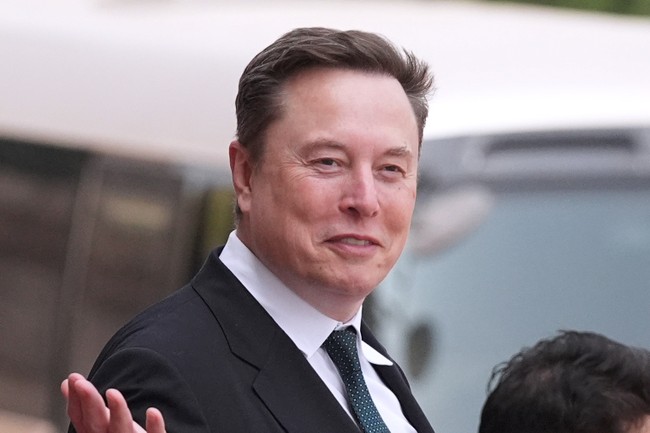
The passage targeting Elon Musk provoked a swift rebuttal from Musk himself, who replied bluntly about creators and takers. “Mamdani has built nothing. He is a taker, never a maker,” Musk declared. That line framed the debate as one between wealth creators who build businesses and technologies and critics who, in the eyes of supporters, traffic in envy and signaling instead of producing tangible value.
People who defend Musk point to the companies he founded and scaled, and the jobs and technological progress those ventures produced. Between electric vehicles, space launch capabilities, and neural interface research, the enterprises associated with Musk employ over 160,000 people and have pushed industries forward. To critics on the right, attacking someone for success while ignoring ideological donors who back left-leaning causes looks like a partisan double standard.
Beyond the Musk exchange, Governor Ron DeSantis entered the conversation and framed Mamdani’s rhetoric as a kind of regressive politics masquerading as progressivism. DeSantis criticized the philosophical underpinnings of such arguments, arguing they run counter to the Founders’ commitments to limited government and the belief that rights come from a higher source than the state. His point was that policies casting producers as villains and the state as resolver of grievances substitute one kind of coercion for liberty.
DeSantis went further, arguing the ideas Mamdani promoted have historically failed and should be rejected as inconsistent with the nation’s founding. He reminded listeners of the Founders’ sacrifices and the compact that established constitutional government, insisting that honoring that legacy means supporting the institutions and principles that enabled American prosperity. For conservatives, the exchange crystallized a larger culture war about who earns respect and who gets to set moral terms for the country.
The criticism of Mamdani also focused on rhetorical inconsistency: decrying wealth in broad strokes while allied actors on the left funnel millions to favored causes without facing the same scrutiny. That contrast fuels a narrative that the left selectively targets wealthy figures when those figures back political opponents or represent values at odds with progressive orthodoxy. Supporters of Musk saw his defense as a straightforward refusal to accept moral posturing when real economic contribution is at stake.
At its heart the clash is about values and incentives. One side sees systemic problems to be remedied by expanding government power and redistributing resources, while the other sees incentives, private enterprise, and individual liberty as the engines that produce jobs and innovations. The public sparring over a ceremonial speech made clear how symbolic events can become flashpoints for broader policy fights.
“Their ideas have failed throughout history. And we have a chance now with 250 to look back and say — we’re inheritors of an awfully good legacy. We got lucky to have the Founding Fathers pledge their lives, fortune, and sacred honor the way they did when they did it!”
That quotation captures why many conservatives reacted strongly: it ties a contemporary critique of wealth and institutions to an interpretation of American history that many regard as unfaithful to the founders’ intent. Whether one agrees or not, the exchange laid bare the election-year stakes about how patriots, politicians, and entrepreneurs are portrayed in public debate. The disagreements are unlikely to fade quickly given the policy differences and the personal edges involved.
Voices on both sides used the moment to reinforce their narratives: defenders of entrepreneurship emphasized tangible achievements and nation-building, while critics insisted on examining inequality and power imbalances. As the dust settles, the episode will be remembered less for the rhetoric itself than for how it crystallized competing visions of America’s future and who should be credited or blamed for its imperfections.


Add comment