
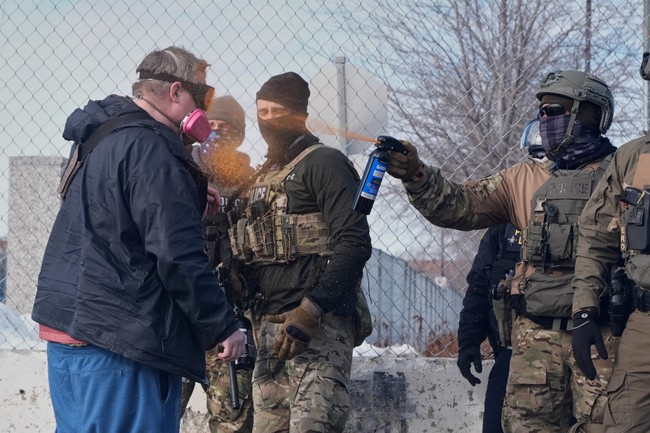
The piece argues that when Democrats rush to politicize law enforcement actions, the press should push back hard and demand facts, not narratives. It highlights a tense exchange on Fox News where Bill Melugin confronted Rep. Maxine Dexter for issuing accusations before verifying basic details. The episode is held up as a model for how journalists should challenge misleading statements from political figures instead of amplifying them.
Democrats have shown a pattern of seizing on law enforcement incidents and turning them into political talking points before the facts are in. That rush to judgment fuels fear and misinforms the public, and too often the media simply relays those claims without pushing back. From a conservative perspective, accountability matters: politicians should not be allowed to spread unverified claims that stigmatize agents doing their jobs.
The media landscape is tilted in many places toward narratives that fit a left-leaning worldview, and that tilt influences which stories get challenged. When reporters agree with the politics of the person making an accusation, tougher follow-up questions can disappear. The result is one-sided coverage that rewards rhetorical flourishes over factual accuracy and leaves the public misled.
That’s why the Melugin exchange is worth watching: he forced on-the-spot accountability in a way most outlets do not. Democratic Rep. Maxine Dexter issued a statement about a Portland shooting tied to individuals authorities say are connected to Tren de Aragua. Melugin pressed her on the timing and content of that statement and didn’t let her dodge the facts.
When a lawmaker issues a charge like “ICE is terrorizing the community” they are making a specific claim about who acted and how. Melugin pointed out that the agency named was incorrect and that Border Patrol, not ICE, was involved in the incident he was questioning her about. Getting the responsible agency right is basic; misnaming it inflates and distorts the accusation.
Dexter scrambled to backtrack and then tried to parse her own quote on camera, saying, “No, I made a statement, I did not say anything about whether or not those folks were rightfully…” She stumbled over the distinction, which underscored the problem: public officials sometimes issue statements meant to provoke rather than to inform. That tactic pressures newsrooms to amplify outrage without ever resolving the facts.
Melugin continued to press, pointing out that Dexter had said ICE was terrorizing the community when the agency involved was Border Patrol. Those are not interchangeable institutions and careless language matters. Precision is essential when you’re accusing government agents of wrongdoing; sloppy labels feed political theater instead of accountability.
Dexter then asserted the agents failed to follow due process, but she offered no evidence to support that claim. Melugin highlighted that authorities had identified ties between the suspects and Tren de Aragua, which she insisted remained merely “alleged.” Her awkward rejoinder, “Alleged is not due process,” did nothing to clarify whether she believed allegations should be reported as such or should be amplified as settled truth.
The facts tied to the incident matter: local officials reported that the suspected driver allegedly rammed a Border Patrol vehicle repeatedly. Portland police leadership confirmed ties between the suspects and Tren de Aragua and reacted strongly to the violence. Those confirmations shift the narrative from a vague claim of terrorizing by ICE to a law enforcement response to an immediate public safety threat.
What this exchange shows is simple: tough questioning draws distinctions that politicians often try to blur. Reporters should insist on basic factual accuracy first—who acted, which agency was involved, and what evidence exists—before broadcasting political condemnations. When the press fails to do that, it becomes a conduit for manufactured outrage rather than a check on power.
The broader lesson is that media outlets that lean left have an obligation to treat claims from political allies with the same skepticism they apply to opponents. Otherwise they erode trust and let bad narratives take hold. Conservatives want journalism that holds everyone to the same standard, especially when the story could inflame communities or endanger law enforcement morale.
Democratic politicians and sympathetic outlets like to frame enforcement actions as inherently political, but that framing often ignores violent behavior that necessitates intervention. When there are credible ties to criminal networks like Tren de Aragua and clear threats to officers or the public, law enforcement responses need to be reported in context. Responsible reporting requires verifying agency involvement, confirming allegations, and avoiding premature, politicized judgments.
Listeners and viewers deserve straight talk: names, agencies, and evidence first; commentary later. The Melugin-Dexter exchange is a reminder the press can and should demand clarity at the moment a claim is made. When journalists do their job that way, they protect both the public interest and the integrity of the institutions under scrutiny.



Add comment