
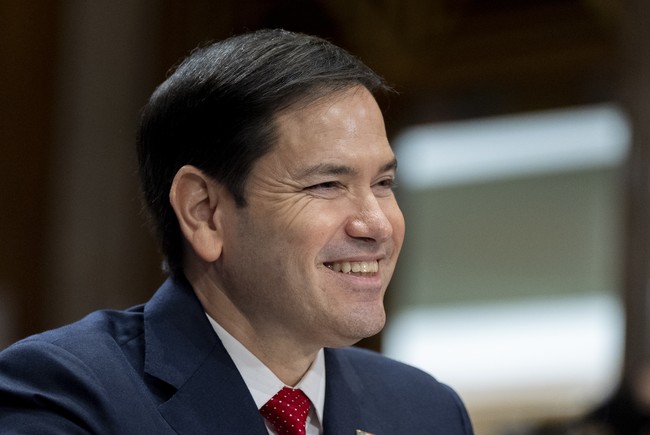
Marco Rubio has become the subject of a viral meme wave and a lighthearted White House moment, with AI-generated images casting him in every conceivable role and a recent clip showing him briefly acting as a wedding DJ. The online jokes play off his many “acting” titles and a candid photo of him resting on a couch, while a video shared by a senior aide captured Rubio enjoying a family celebration and laughing along to a song. That mix of meme culture and real-life levity has prompted reactions across the political spectrum and reinforced a broader contrast in messaging between Republicans and Democrats. This piece walks through the meme trend, the wedding clip, and what it signals about tone and politics.
The meme phenomenon took off after a photo of Rubio slumped on a White House couch circulated, inspiring creators to drop him into absurd public-service roles. People have Photoshopped him as everything from a foreign leader to a sports coach, poking fun at how frequently he has filled temporary government jobs. The jokes hinge on the double meaning of “acting” titles, and the images spread quickly on social platforms where humor drives engagement and political commentary alike.
BEING MARCO: Rubio is Trump’s go-to ‘Acting Secretary’. Here’s Marco finding out he’s got to run Venezuela, Iran, Canada, Minnesota, Hilton, and Greenland… What am I missing? 🤣
Beyond the memes, White House Deputy Chief of Staff Dan Scavino posted a short video showing Rubio at a family wedding taking on a decidedly different role. In the clip Rubio appears to serve as the event’s temporary DJ, holding something to his ear and cueing music while guests react. It’s a humanizing scene: a senior official letting loose for a moment, not negotiating foreign policy or delivering a briefing.
The wedding clip ends with Rubio getting noticeably into the music, and the moment naturally collided with the meme wave to produce fresh laughs online. Observers who enjoy political theater saw a contrast between internet silliness and the real, grounded humor of a public servant joining a celebration. That contrast has been picked up by commentators who argue that such moments reflect broader cultural and political differences in tone and temperament.
Some conservative writers have seized on these images and the video to make a larger point about how Republicans and Democrats communicate with the public. From that vantage point, the GOP tends to emphasize upbeat messaging, optimism, and a celebration of American life, while Democrats are painted as foregrounding anxiety, identity conflict, and guilt. Whether you agree with that framing or not, the Rubio episodes have become a convenient example for those arguing the Republican style is lighter, more human, and more approachable.
Critics would say that politics should be serious business, and that viral memes trivialize the work of governance. Supporters, meanwhile, point out that relatable moments can broaden appeal and remind voters that officials are people who attend family events and joke around. Rubio’s meme-fueled persona now mixes policy credibility with pop-culture visibility, and that blend can be politically useful when the goal is to project warmth as well as competence.
The song Rubio seemed to be enjoying in the wedding clip is familiar to people who follow pop music, and the energy of a high-tempo dance track helps explain why he seemed to get into it. Seeing a senior official loosen up on a dance floor undercuts the starchy image many associate with bureaucratic life, and it plays well in an era when short videos and GIFs are the currency of public attention. Political figures who can survive viral mockery and still look likable often gain soft power from the exposure.
These episodes also illustrate how digital culture shapes political narratives. A single candid photo prompts an avalanche of creative responses, which then merge with real footage to create a composite public image that’s part meme, part candid moment. For Republicans who prefer a message of optimism, those images become fodder to argue Democrats are out of touch, while for opponents the same images signal unseriousness. Either way, the story shows how quickly a politician’s image can be repurposed.
At the end of the day, Rubio’s brief turn as a wedding DJ and the flood of AI images tell us something about modern political communication: authenticity and humor travel fast. If political figures can lean into those moments without losing credibility, they gain a kind of cultural currency that matters on social platforms where millions form impressions in seconds. For those who think politics should be about confidence and joy, Rubio’s viral run is a useful reminder that levity still has a place in public life.
Editor’s Note: The mainstream media continues to deflect, gaslight, spin, and lie about President Trump, his administration, and conservatives.

Add comment