
Zohran Mamdani used his first mayoral veto to block a bipartisan measure aimed at tightening protest security at educational institutions, and the move has crystallized sharp concerns about his priorities, his approach to public safety, and how he balances the right to protest with the need to protect vulnerable communities.
In roughly three and a half months in Gracie Mansion, Mamdani has acted very much like the democratic socialist he promised to be, advancing agenda items that critics say tilt heavily toward radical left priorities and away from public safety. His record so far includes rhetoric and policies that suggest a focus on equity initiatives, punitive tax proposals, and programs that, to critics, favor activists and organized movements over everyday New Yorkers who want order and safety. For many residents, the veto is not an isolated choice but another piece of a pattern they were warned about during the campaign.
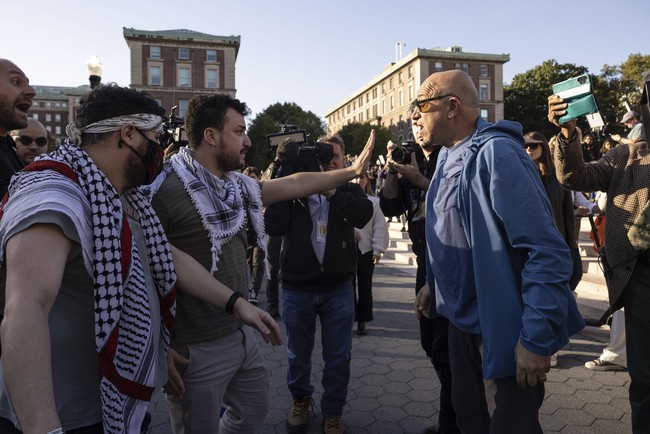
The veto specifically targeted a bill designed to expand security safeguards for places of education during protests, a response to the eruption of violent demonstrations, including the 2024 episodes on Columbia’s campus and other city streets. Supporters of the measure argued those events showed a real need for clearer protections for students and faculty when demonstrations turn dangerous. Opponents framed the bill as an overreach that could chill legitimate protest activity, and Mamdani sided with that view in his public statement.
New York City Mayor Zohran Mamdani is sparking backlash after using his first veto to derail a bipartisan bill aimed at combating antisemitism by expanding protest security safeguards for places of education.
“This could impact workers protesting ICE or college students demanding their school divest from fossil fuels or demonstrating in support of Palestinian rights,” Mamdani said in a statement Friday.
“It is a piece of legislation that has alarmed much of the labor movement, reproductive rights groups and immigration advocates, among others, across this city.”
The mayor also framed his veto as protecting the right to protest broadly, saying as much in other remarks that stress protest, prayer, and protection for all New Yorkers. Those words sit oddly for critics who point to a series of administrative moves they view as rolling back definitions and resources that once helped identify and track antisemitic incidents. The balance between protecting civil liberties and preventing violence is real, but many residents feel Mamdani’s emphasis has swung too far toward permissiveness at the expense of security.
As Mayor, I will always make sure the right to protest, prayer and protection are guaranteed for every New Yorker.
That promise reads differently when placed next to reports and accounts about the 2024 pro-Hamas demonstrations and the citywide anti-ICE actions, instances where protests escalated into violence and intimidation. The veto has been interpreted by many as a green light for more aggressive demonstrations, not merely the preservation of peaceful dissent. For Jewish New Yorkers and others who witnessed or were affected by specific episodes of targeted harassment, the move felt especially harmful.
Former Governor Andrew Cuomo stepped in with a public rebuke, arguing that Mamdani had chosen the demands of his political base over the safety of students and Jewish residents at a time of rising antisemitism. Cuomo’s comments echoed a broader unease among veterans of city government and concerned citizens who see this veto as a retreat from commonsense safeguards. His voice added weight because even critics who have faulted Cuomo on other matters found his critique of the mayor persuasive in this instance.
Some defenders of the veto insist it protects essential democratic freedoms and prevents dangerous precedent where protest becomes a pretext for heavy-handed policing. Others point out the bill could have unintended consequences for labor actions, reproductive rights demonstrations, and immigrant advocacy, which Mamdani explicitly cited as groups alarmed by the legislation. Yet opponents counter that the legislation was narrowly tailored to address safety at schools, not to chill the broad spectrum of political expression.
Reaction across the city has been sharp and polarized, with many residents saying they did not get the warning in time or chose to ignore it until policy changes impacted them directly. For skeptics, the issue is less about one veto and more about a governing philosophy that appears to prioritize activists and ideological allies over a wider cross-section of New Yorkers. The debate has real implications for how the city manages protests, campus safety, and communal tensions as the next months unfold.
Whatever the intent behind the veto, it has become a rallying point for critics who warn of a mayor whose early actions suggest a willingness to side with organizing movements even when those movements cross lines into intimidation and violence. That concern is likely to animate city politics and civic debate, as residents and lawmakers test how far Mamdani will go in protecting protest rights at the potential cost of public safety. The conversation is just beginning, and the consequences for school communities and neighborhoods may be felt for a long time.



Add comment