
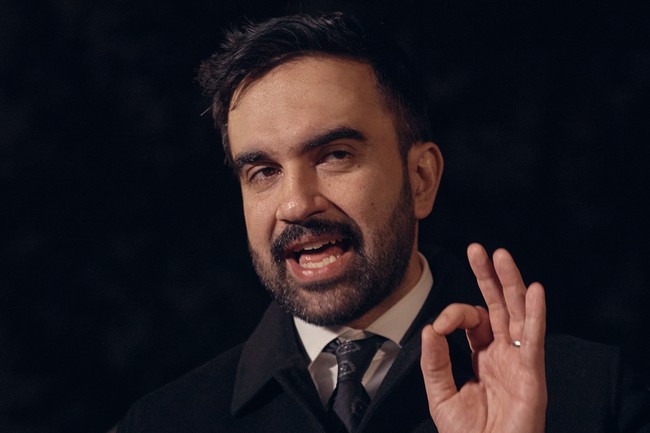
NYC Mayor Zohran Mamdani was photographed in a luxury World Cup suite with New York Governor Kathy Hochul, drawing criticism that his elite perks clash with his democratic socialist rhetoric and raising questions about how many official appearances and free tickets he’s accepting while claiming no gifts.
Photos from the match show Mamdani and Hochul sitting in an elevated box, sipping champagne-adjacent drinks and visibly enjoying premium hospitality while fans below watched from the general seating. For voters who hear constant talk about economic equality from elected officials like Mamdani, the images feel like a disconnect between rhetoric and behavior. That contrast fuels skepticism about whether the rules that apply to ordinary people also apply to those who preach redistribution.
His office told reporters the tickets were provided under a vague “contractual obligation” with the World Cup Host Committee and insisted appearances were part of his official duties. The statement also included the line “no gift here.” Such phrasing doesn’t settle concerns; it invites closer scrutiny about what counts as official work versus perks. When an administration uses broad language to explain away lavish treatment, accountability questions multiply.
“It would be unprecedented for host city leadership, particularly a mayor with such international recognition, to not participate in World Cup matches,” Mamdani spokesperson Dora Pekec said in defense of his attendance. That justification frames attendance as standard practice, but it doesn’t explain why access took the form of high-end hospitality meant for VIPs. The optics matter, especially when a public official who champions workers and denounces elites is seen in exclusive settings.
Observers also pointed out that Mamdani’s wife purchased her own ticket for nearly $2,000 while the mayor occupied a complimentary seat in the luxury suite. That detail highlights a split between the official’s experience and the real costs faced by ordinary attendees. When one person pays a premium to be near the action and the other gets swept in on someone else’s tab, voters are left asking whether there is special treatment for connected officials.
There are additional episodes that add context to the pattern. Sources reported the mayor secured exclusive NBA Finals seats at Madison Square Garden, raising potential ethics questions about whether such perks violate city standards. Whether or not formal rules were broken, repeated episodes of preferential access feed a narrative that officials sometimes operate by different standards. That matters because it undermines public trust in city leadership and in the fairness of government norms.
https://x.com/LizzySavetsky/status/2065977225845850456
Mamdani’s role in New York politics has been framed by him as a fight for working people and bold progressive change, and that message attracts a certain base of support. Yet when leaders who talk about limiting wealth or curbing privilege appear to enjoy the trappings of high-end events, critics call them champagne socialists. That label is used to describe officials who promote redistribution while maintaining elite lifestyles and access, and it sticks when evidence piles up.
Political opponents and interested citizens are not merely annoyed by the optics; they want clarity about rules and transparency about how perks are handled. If gifts or hospitality are part of official duties, the nature of those duties and the documentation behind obligations should be released for public review. Clear accounting and strict adherence to ethics guidelines would calm critics and ensure that public service does not become an avenue for VIP treatment.
Public servants should be mindful that perception matters as much as policy. Demonstrating consistent behavior that aligns with stated principles builds credibility, while contradictions between words and actions breed cynicism. For a mayor who has built his image on representing the working class, maintaining that consistency is essential if he expects broad public trust beyond a partisan base.
Photos of Mamdani relaxing with Hochul in a luxury box will keep the story alive in the news cycle and on social platforms, prompting calls for answers about the extent of his VIP access during the World Cup. Voters and watchdogs will press for documents and explanations that distinguish genuine official activity from perks. Until those records are made public, interpretations will follow the most straightforward reading: that high-level access was enjoyed while being presented as official duty.
Meanwhile, critics point out that public office must not be a shortcut to amenities reserved for the wealthy or well-connected. When officials accept elite hospitality, even if framed as part of their duties, citizens have a right to ask whether those perks were necessary for the public good or simply perks of office. The answer should come with transparency rather than dismissive statements that leave more questions than they answer.
Incidents like these also shape broader conversations about ethics enforcement and the standards cities set for their leaders. Robust municipal rules and prompt disclosures can prevent small controversies from escalating and ensure that leaders cannot be accused of treating public service as a ticket to exclusive experiences. For now, the images and the explanations remain at odds, and scrutiny will continue until a clear account is provided.


Add comment