
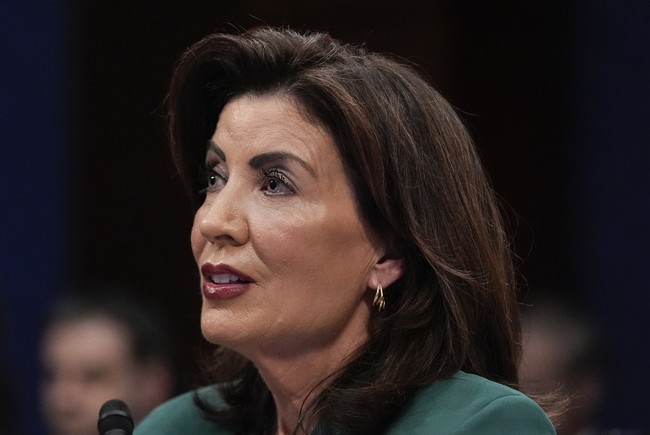
The governor of New York has publicly asked for delays to parts of the state’s climate law after rising utility bills and an exodus of high earners, and this article examines why that request is overdue, how the policy choices produced predictable cost spikes, and what it means for voters and businesses across the state.
New York’s recent policy choices have produced a very predictable result: higher energy costs and an accelerating drain of taxpayers who finance jobs and services. When regulations push up utility bills, families and small businesses feel the squeeze quickly, and some decide they’ve had enough and leave for friendlier states. That economic fallout is now piling pressure on the governor to slow or adjust the rollout of the climate law she backed.
The complaint from many conservatives is not about caring for the environment but about honest trade-offs and timing. Major transitions in energy and emissions require realistic cost estimates, implementation timelines, and protections for families on fixed incomes and for small businesses. Without those guardrails, policy becomes a bill that residents must pay, not a plan that protects them.
The political angle is obvious: the governor faces re-election and is trying to manage voters’ growing frustration with affordability. Promises of an “affordability” agenda ring hollow when every major initiative raises costs instead of lowering them. That dissonance fuels skepticism among swing voters who are still deciding whether the state’s direction aligns with their priorities.
Critics argue the move to delay enforcement shows the law was unrealistic from the start, with deadlines and enforcement rules that don’t match market realities. Regulatory delays are an admission that implementation timelines were too aggressive or poorly designed. The result is painful stopgap politics: change the schedule now to avoid immediate pain, but leave the core problems unresolved.
Kathy Hochul is up for reelection this year, and has a big, big problem: for all the talk about an “affordability” agenda, every single policy the Democrats like to push increases costs, reduces quality of life, and drives people out of Blue states.
And one of the worst problems she faces is skyrocketing energy bills, and the prospect that those prices will rise even more and faster in the next few years as climate deadlines rapidly approach.
Practical conservatives point to mobility data and tax filings showing residents moving to lower-tax states as evidence that policy choices matter for competitiveness. Businesses vote with their feet when operating costs, including energy, become unpredictable or unsustainably high. That trend erodes the tax base and aggravates budget shortfalls, creating a vicious cycle politicians then try to paper over with short-term fixes.
There’s also a fairness argument: many people who suffer rising bills didn’t vote for the policies driving the increases. They are homeowners, renters, public employees, and small business owners who lack the means to relocate or wait out multiple rate hikes. Forcing those families to shoulder the cost of a rushed transition is a political and moral mistake in the eyes of many voters.
Opponents contend that delaying regulations until 2030, changing emissions accounting, or altering enforcement is not a clean solution but a symptom of poor initial planning. Adjustments may be necessary, but they should come with a clear strategy to shield vulnerable households and keep energy affordable during the transition. Without that, delay is only a political Band-Aid.
Voters are starting to notice the connection between policy and pocketbook consequences, and that awareness could change swing districts and local elections. Candidates who emphasize common-sense pacing and protect families from sudden cost shocks may gain traction among undecided voters. The political upside for Republicans lies in offering straightforward alternatives that prioritize affordability while discussing long-term environmental goals responsibly.
Finally, the human side matters: people love their homes and communities and shouldn’t be forced to abandon them because of miscalculated policy. Real leadership means balancing ambitions with the lived realities of constituents, not delivering plans that sound noble in theory but bankrupt families in practice. That lesson is driving public debate in New York as the governor seeks time to rethink implementation.

Add comment