
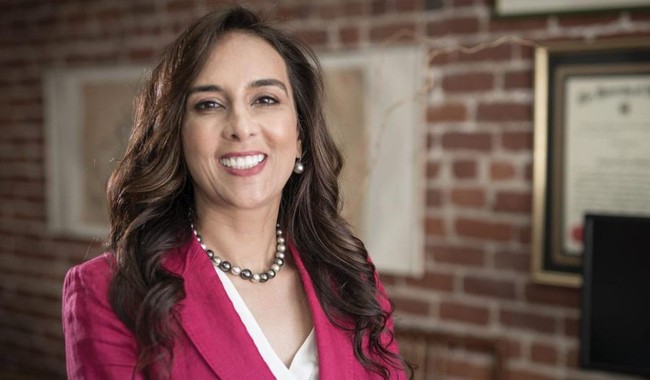
This piece examines Attorney General Harmeet Dhillon’s statements about possible use of the Ku Klux Klan Act and other federal civil rights statutes in response to an incident at Cities Church in St. Paul, Minnesota, lays out how prosecutors might approach charges, and highlights the attention given to media figure Don Lemon’s actions during the event.
Things escalated after a group disrupted a church service in St. Paul, prompting the Department of Justice to look closely at whether federal civil rights laws were violated. Harmeet Dhillon, serving as Assistant Attorney General for Civil Rights under the Trump DOJ, publicly warned that anyone who “paid for, coordinated, or participated in this attack made a big—BIG—mistake.” Her comments signaled the administration’s intent to treat the episode seriously and to explore federal avenues for accountability.
Eyewitness accounts and video showed Don Lemon in the parking lot and then inside during the takeover, streaming and commenting on the events as they unfolded. Authorities and observers noted his active presence rather than a detached reporting role, and that raised questions about whether mere documentation crossed into participation. The distinction matters because it affects whether someone is protected as a journalist or exposed as a participant in potential criminal conduct.
Dhillon told media outlets the DOJ will pursue charges where appropriate and that multiple criminal statutes could apply. She referenced the FACE Act as one possible legal basis and noted the historical precedent of adding conspiracy charges under the Klan Act to secure longer sentences in similar protest-related cases. That combination, she suggested, gives prosecutors a powerful set of tools to address conduct that intimidates or interferes with people exercising their rights.
The prospect of using the 1871-era Klan Act in modern cases grabbed headlines because the statute carries serious penalties when applied to conspiracies that deprive people of civil rights. Dhillon called the Klan Act “one of the most important federal civil rights statutes,” explaining that it “makes it illegal to terrorize and violate the civil rights of citizens.” Her point was blunt: when people conspire to intimidate or prevent others from exercising rights, federal law can reach deep and impose stiff consequences.
BREAKING: DOJ Announces Intention to Charge Don Lemon under the Ku Klux Klan Act.
The KKK Act makes it illegal to threaten, hurt, or intimidate people to prevent them from exercising their God-given rights.
HARMEET DHILLON: “The Klan Act is one of the most important federal civil rights statutes. Its a law that makes it illegal to terrorize and violate the civil rights of citizens. Whenever people conspire this, the Klan Act can be used.”
“Everyone in the protest community needs to know that the fullest force of the federal government is going to come down and prevent this from happening and put people away for a long time.”
Dhillon directly addressed Don Lemon’s conduct on camera, noting his presence and how he characterized his actions as journalism after the fact. She said, “Don Lemon himself has come out and said he knew exactly what was going to happen inside that facility. He went into the facility, and then he began ‘committing journalism.’ As if that is a shield from being an embedded part of a criminal conspiracy. It isn’t.” That quote underscores the administration’s view that claiming journalistic intent does not automatically defeat allegations of conspiracy or participation.
The DOJ emphasized it will follow established legal procedures to obtain warrants and seek federal indictments where evidence supports charges. Dhillon indicated investigators are identifying potential crimes and considering how statutes like the FACE Act and the Klan Act might be used in concert to address conspiratorial behavior that targets places of worship and the people inside them. Prosecutors will weigh evidence of coordination, planning, and intent when deciding how to proceed.
From a Republican perspective, the administration framed this as enforcing law and order and protecting citizens’ rights when local officials decline to act. Officials argued the federal government has both a duty and the tools to step in when state or local authorities fail to secure private property and civil liberties. That posture reflects a broader theme of federal intervention when local leaders are perceived as unwilling to confront disruptive or violent conduct.
Public reaction has been intense, with debate focused on the boundaries between protest, journalism, and criminal conspiracy. As investigators collect statements, review footage, and determine who organized or directed the disruption, the legal analysis will center on who crossed the line from expression to coordinated intimidation. The outcome will hinge on evidence of planning, direction, and participation tied to the alleged effort to interfere with worship and the rights of congregants.
Add comment