
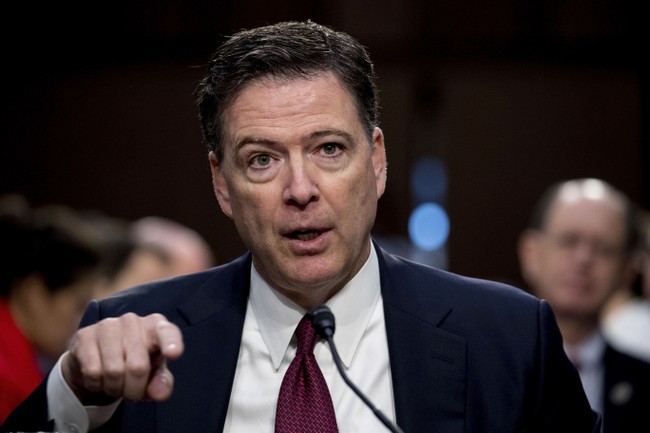
The Florida Southern District grand jury recently issued a subpoena to former FBI Director James Comey as part of an expanding “grand conspiracy” probe into alleged misconduct by Obama- and Biden-era officials tied to the Russia collusion saga. The investigation centers on how intelligence assessments and political actors shaped public narratives and led to sustained investigations of President Trump, with subpoenas reportedly issued to more than a hundred witnesses as prosecutors build their case.
Last week’s subpoena to James Comey represents another step in a broad inquiry that critics say will finally force accountability for how intelligence was handled around the 2016 election. The probe focuses on whether senior officials crossed lines by inserting politically charged material into official assessments and then allowing it to guide investigations that damaged a presidency. This is not just procedural housekeeping; supporters see it as exposing a system that weaponized intelligence against a political rival.
At issue is Comey’s alleged involvement in drafting the January 2017 Intelligence Community Assessment that pointed to Russian interference and suggested it favored President Trump. That document played a central role in shaping public opinion and the media narrative at a critical moment, and the subpoena reportedly targets his role in crafting that messaging. The assessment’s incorporation of the Steele Dossier remains a flashpoint, since that material has been widely discredited.
Investigators are said to have issued more than 130 subpoenas to figures tied to that era, including former intelligence chiefs and others who had a hand in public and classified assessments. The pattern suggests prosecutors are mapping out a wide network of decisions, from drafting language to how items were circulated and relied upon. Witnesses will be asked about tradecraft, sourcing, and potential political motivations behind intelligence judgments.
A recent internal review reportedly concluded the 2017 assessment failed to meet basic intelligence standards and exhibited signs of political bias. Those findings add weight to the argument that intelligence products were influenced by politics, not just evidence, and they help explain why the grand jury is so active. For conservatives and many supporters of the former president, that bias is not a technicality; it explains why the country endured years of disruptive and costly probes based on shaky foundations.
Tulsi Gabbard, who has been an outspoken critic of how the intelligence community handled the matter, called the assessment “false,” noting that the Obama administration “conspired to subvert the will of the American people,” and, working in conjunction with a willfully ignorant media, staged “a years-long coup against” Trump. Those are strong words, and whether one agrees with the rhetoric or not, the claim underscores the depth of anger about perceived political manipulation of intelligence. The grand jury will have to sort allegations from evidence in a formal legal setting.
Opponents of the investigation dismiss scrutiny as political payback, framing subpoenas and interviews as partisan harassment rather than legal fact-finding. That stance is predictable, but it sidesteps the core question this probe raises: did officials use their roles and access to intelligence to reshape politics? The grand jury process exists to answer precisely that kind of question beyond headlines and social media posturing.
The investigation is led by a Trump-appointed U.S. attorney and is proceeding under a federal grand jury before Judge Aileen Cannon. Grand juries can compel testimony and documents, giving prosecutors tools to untangle who knew what and when. For those who argue that institutions must remain above politics, the grand jury offers a controlled environment to test whether institutional trust was breached.
For the public, the stakes are not merely legal. The episode has left many Americans skeptical of elite narratives and hungry for clarity on how intelligence assessments are produced and used. If the subpoena process reveals procedural failures, partisan influence, or deliberate deception, it could reshape how future administrations treat intelligence and media reporting. Either way, the inquiry promises to keep these issues in the legal and political spotlight for months to come.
The case will likely turn on documents, contemporaneous notes, and testimony that reveal decision-making and sourcing practices. Witnesses called before the grand jury will face questions about the drafting of assessments, how unverified material was treated, and whether political considerations ever overrode analytic standards. That focus on documentary evidence makes subpoenas and records requests central to the prosecutors’ strategy.

Add comment