
A hiker was found dead on a remote Colorado trail in an incident officials say appears to be a mountain lion attack; authorities tracked and killed two cats nearby and are investigating whether those animals were involved while warning locals to stay cautious in wild areas.
We live with incredible technology and urban comforts, but that doesn’t change the fact that we’re part of the food chain. Apex predators still behave like apex predators, and sometimes that means they attack a lone person on a trail. The recent death on a Colorado mountain trail is a sobering reminder that wilderness encounters can turn deadly.
Officials located the woman’s body on Crosier Mountain and reported wounds consistent with a mountain lion attack while they awaited confirmation. Wildlife officers searched the area and later killed two mountain lions — one at the scene and another nearby — and said a necropsy will help determine if either animal was responsible. A search for a third reported cat continued as authorities worked to secure the trail and protect the public.
A solo hiker who authorities believe was killed by a mountain lion on a remote Colorado trail on New Year’s Day was not the first person to encounter a big cat in the area in recent weeks.
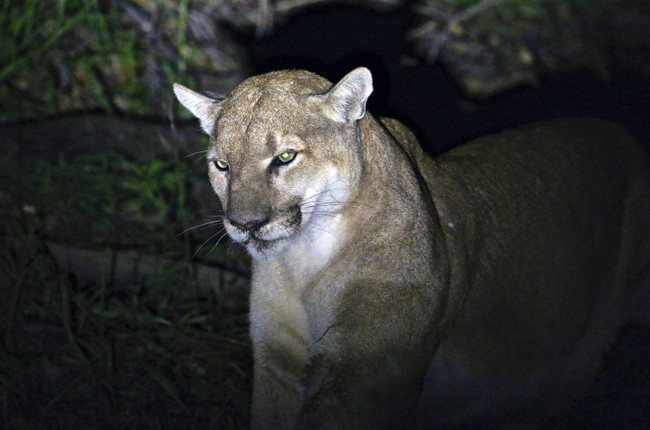
Gary Messina said he was running along the same trail on a dark November morning when his headlamp caught the gleam of two eyes in the nearby brush. Messina pulled out his phone and snapped a quick photo before a mountain lion rushed him.
Messina said he threw his phone at the animal, kicked dirt and yelled as the lion kept trying to circle behind him. After a couple of harrowing minutes he broke a bat-sized stick off a downed log, hit the lion in the head with it and it ran off, he said.
The woman whose body was found Thursday on the same Crosier Mountain trail had “wounds consistent with a mountain lion attack,” said Kara Van Hoose with Colorado Parks and Wildlife. Officials were awaiting confirmation.
Mountain lions, known scientifically as Puma concolor and sometimes called cougars, pumas, or panthers, are widespread predators in parts of North and South America. They are not in the Panthera genus that includes lions and tigers, but they are powerful, stealthy hunters adapted to take deer and other medium-sized prey. Given human body size and behavior, an unarmed lone hiker can sometimes resemble the cats’ usual prey enough to provoke an attack.
After the woman’s body was found, wildlife officials tracked and killed two mountain lions in the area and continued searching for a third reported animal. Authorities said the decision to kill cats will depend on circumstances and that trails remained closed while the investigation was active. Examination of stomach contents and other forensic work will be used to determine whether the animals recovered were involved in the attack.
Local accounts add worrying detail about how unpredictable these animals can be when surprised or provoked. One trail runner described his own close call on the same path, saying he had to defend himself with a stick before the cat withdrew. That encounter underscores how quickly a routine run or hike can become a life-or-death situation when a big cat is nearby and people are alone without deterrents.
This incident should prompt sensible, practical reminders for anyone who spends time outside: stay aware of your surroundings, avoid hiking alone in areas with known large predators, and carry tools for deterrence when appropriate. Not everyone is comfortable or trained to use a firearm, and in many places there are legal and safety considerations, but non-lethal options like bear spray can offer a crucial margin of safety. Being prepared, loud, and visible can also reduce the chance of surprising a wild animal.
Wildlife management faces tough tradeoffs when people and predators share ground. Officials have to weigh public safety against the role these animals play in healthy ecosystems, and sometimes that leads to the removal or killing of specific animals thought to be dangerous. In this case, the swift recovery and euthanasia of two cats reflects a decision to prioritize immediate human safety while investigators sort out exactly what happened.
Communities that live near wildlands know the landscape changes with seasons and with human use, and encounters with large wildlife are part of that reality. State agencies maintain guidelines for recreation in areas where mountain lions, bears, and other large animals occur, and following those recommendations can reduce risk. The recent tragedy on Crosier Mountain is a reminder that nature is real, powerful, and not always forgiving.
For now, trails in the area remain under review while wildlife officials complete their necropsies and determine whether additional management actions are needed. Residents and visitors should watch for official updates and heed closures while agencies investigate and work to keep the public safe.



Add comment