
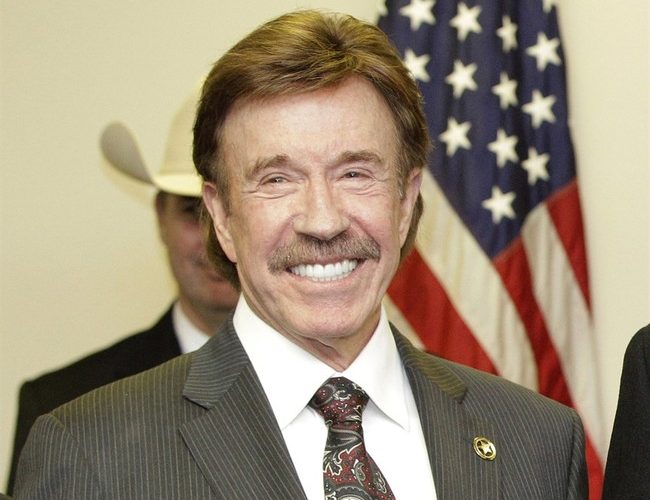
I’ll call out a sloppy media take, defend Chuck Norris’s legacy, note how readers pushed back, preserve the exact quotes from the original critique, and remind readers why patriotic entertainment matters.
Chuck Norris brought a lot of joy to people’s lives, and his passing sparked waves of genuine affection across social platforms. His movies and TV work gave people simple, entertaining stories where good and bad were obvious and the tough guy stood up for what was right. He wasn’t a political strategist; he was an entertainer who embodied a straightforward heroism that resonated with millions. For many, that kind of clarity and strength was exactly what they wanted from a screen hero.
So when an industry outlet rushed to turn his legacy into a lecture about American politics, it felt off and almost opportunistic. Variety ran an opinion that tried to recast Norris’ roles as part of an agenda, arguing his characters pushed “American strength, might and the pernicious attraction of taking the law into one’s own hands.” That angle ignored the basic fact that fiction and hero stories have always been about catharsis and fantasy, not policy manuals. Readers smelled the overreach fast and reacted accordingly.
That link between entertainment and ideology is worth debating, but it shouldn’t erase the simple pleasures Chuck offered. The Variety piece went further, suggesting the “right-and-wrong simplicity of ‘Walker’ is cop-aganda,” which treats decades of pop culture as though it were crafted in a think tank. Fans rightly pushed back, not because they don’t care about nuance, but because they saw an attempt to weaponize nostalgia into a culture-war point. The response was loud and unified: don’t rewrite a man’s life to score political points.
The article included a substantial passage that tried to frame Norris as more than a performer. It read in part: “Was Norris a brilliant athlete and top-shelf star? Yes. But there’s no denying that his roles were part of a body of work used to show American strength, might and the pernicious attraction of taking the law into one’s own hands — something that seems less fun in a year in which our country is funneling money into bombing Iran and ICE agents are acting like one-man militias. Given our nation’s divisions in morality, information literacy and overall sense of reality, it’s easier to see Norris’ characters as justification for a fringe conspiracy movement rather than a moral standing. When patriotism and laws shift away from the Constitution, what side does a gunslinger land on? [….]” That paragraph is preserved here exactly as it appeared, because it matters to quote the actual claim people were responding to.
Was Norris a brilliant athlete and top-shelf star? Yes. But there’s no denying that his roles were part of a body of work used to show American strength, might and the pernicious attraction of taking the law into one’s own hands — something that seems less fun in a year in which our country is funneling money into bombing Iran and ICE agents are acting like one-man militias. Given our nation’s divisions in morality, information literacy and overall sense of reality, it’s easier to see Norris’ characters as justification for a fringe conspiracy movement rather than a moral standing. When patriotism and laws shift away from the Constitution, what side does a gunslinger land on? [….]
When a star is the poster boy for American exceptionalism and might, at what point does his legacy transition from escapism to dangerous propaganda?
That block of text is the sort of cultural critique that can be valid when aimed at systemic patterns, but it read like a personal attack on a man who spent his life entertaining people. Saying America is exceptional is not a dirty phrase; it’s an observation about a nation’s values and the stories it tells itself. Claiming that fictional tough-guy heroes automatically translate into real-world militias ignores context, audience intent, and the difference between fantasy and endorsement.
Readers didn’t just grumble online, they organized a clear pushback and even leveraged platform tools to annotate the original post. The reaction wasn’t about shielding celebrity from critique; it was about pushing back against a lazy, politicized framing that tried to turn a beloved entertainer into a cautionary tale. The social response mixed grief, humor, and anger, which is exactly what happens when people feel a mischaracterization lands on someone they admired.
Chuck Norris killed his shadow while shadow boxing. That’s why you never see his shadow when he comes up behind you. Chuck Norris can never be “overshadowed”.
That internet joke became a kind of answer: it’s both a nod to Norris mythos and a refusal to let a negative editorial define him. Even in death people used humor and affection to reclaim the narrative around his work. That’s a grassroots correction right there—ordinary readers saying loud and clear that one hot-take shouldn’t rewrite the meaning of a career.
Variety and outlets like it are welcome to push conversation about culture, but there’s a line between thoughtful analysis and looking for controversy in someone’s obituary. Chuck Norris’ place in popular culture is real and uncomplicated for a lot of people: he entertained, inspired a few to train, and left behind a catalog of dependable, plainspoken hero stories. That’s enough for his fans, and they made their voices heard.
Thank you, Chuck.


Add comment