
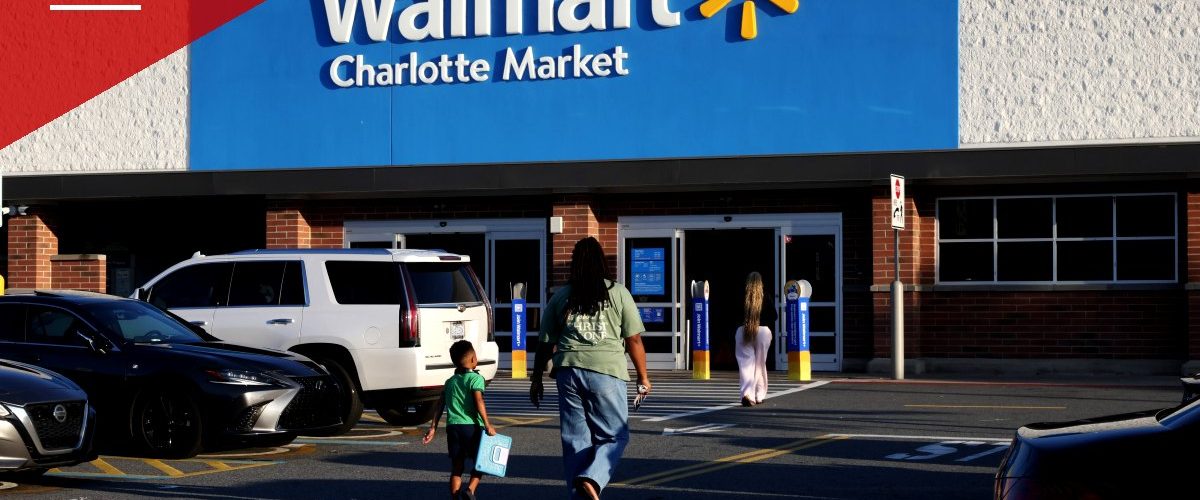
Walmart, the nation’s largest retailer and a widely watched gauge of consumer health, told investors this week that surging fuel and transportation costs are undercutting its ability to keep prices low heading into the holiday season — even as the company raised its full-year sales forecast on the strength of its delivery and membership businesses.
The company reported third-quarter revenue of $188.84 billion, up 5.2% from a year earlier and ahead of Wall Street expectations. Walmart now projects fiscal 2027 net sales growth of 4.9% to 5.2%, an upgrade from its earlier forecast of 4% to 5%. That figure still falls short of the 5.5% growth analysts had been expecting, according to data compiled by LSEG.
CEO John Furner said rising diesel and transportation expenses have added roughly $2 billion in extra costs this year and could make it harder to hold the line on prices as consumers enter the holiday shopping stretch.
“We will do everything we can in terms of efficiency,” Furner said on a post-earnings call, adding that pricing “really depends on transportation costs and input costs as we move forward.”
Walmart has cut prices on thousands of grocery and general merchandise items this year as households look for savings amid persistent inflation and higher fuel prices tied to the Iran War.
Consumer sentiment improved slightly in November but remains weak overall. Rising freight and logistics costs have squeezed margins across the retail and consumer goods sector broadly, though Walmart said it has offset some of that pressure with nearly $3 billion in tariff refunds, according to Furner.
Holiday Push
Despite the cost pressures, executives sounded confident about the season ahead. “It’s game time,” Furner said, noting Walmart sold 1 million more Thanksgiving turkeys than a year earlier after cutting the price of its holiday meal basket to its lowest point since the program began in 2022.
The company has increasingly relied on its physical stores as what it calls “digital fulfillment nodes” for online orders, along with its higher-margin third-party marketplace, which posted gains for the quarter. That strategy has helped prop up sales even as growth in store foot traffic has slowed compared with last year.
“The margin story is outrunning the traffic story right now,” said David Wagner, head of equity at Aptus Capital Advisors.
Company-wide, U.S. e-commerce sales rose 23%, down from 28% growth a year earlier.
Walmart also raised its annual adjusted earnings forecast to a range of $2.84 to $2.89 per share, up from a prior range of $2.80 to $2.87. Adjusted quarterly earnings of 65 cents per share edged past Wall Street estimates, while operating expenses climbed 5% to $40.01 billion.
Walmart shares slipped about 1% following the report. The stock is still up roughly 14% for the year and is on pace for a fourth consecutive annual gain.


Add comment