
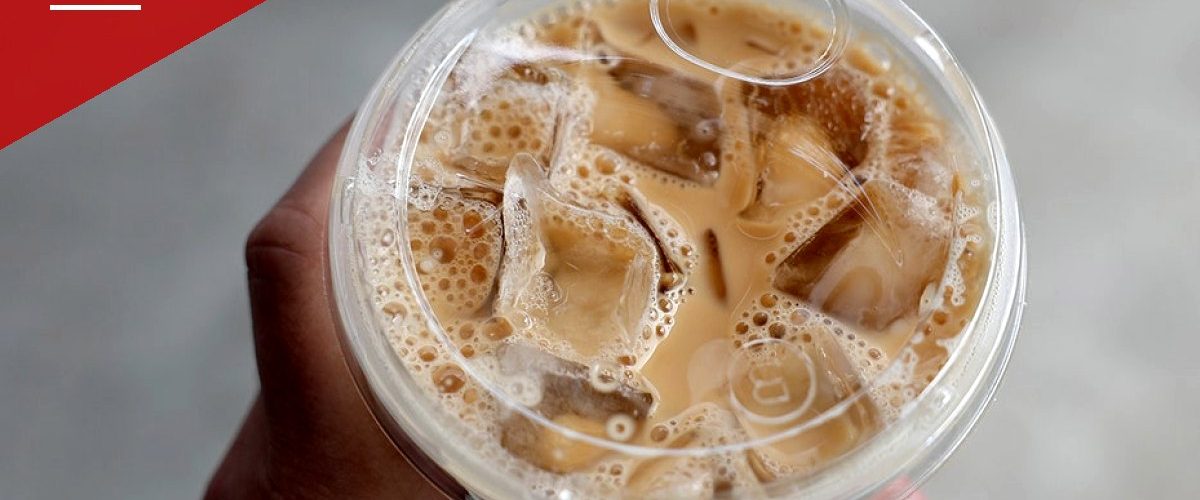
Starbucks is facing a proposed class-action lawsuit alleging that drinks marketed as “sugar-free” contain enough sugar to rival a candy bar. The suit, filed Oct. 2 in federal court in Washington state, targets eight hot and iced Starbucks protein beverages, including the Sugar-Free Vanilla Protein Latte, the Sugar-Free Caramel Protein Latte, and protein matcha drinks.
According to the complaint, a venti-sized serving of these drinks contains between 13 and 21 grams of sugar. The plaintiffs argue that no reasonable consumer would expect a product branded “sugar-free” to carry that much sugar.
Three consumers who purchased the drinks in California, New York and Washington brought the suit. They are asking the court to bar Starbucks from using the term “sugar-free” on products that contain sugar, and they claim they paid a premium for drinks marketed as sugar-free that they would not have paid for ordinary alternatives.
Starbucks says the claims are baseless. “We believe these claims have no merit,” a company spokesperson told Fox News Digital. “Starbucks has consistently and clearly provided information about its protein beverages, sugar-free options, customization choices, and nutritional content across product announcements, menus, marketing materials, Starbucks.com and the Starbucks app, and we intend to vigorously defend ourselves in this matter.”
The company maintains that the sugar in question comes naturally from the protein-boosted milk used in the drinks, not from added sugar, and that the syrups used for flavoring are themselves sugar-free.
What ‘Sugar-Free’ Actually Means
Under FDA rules, a product labeled “sugar-free” must generally contain less than 0.5 gram of sugar per serving — a threshold Starbucks’ protein drinks appear to exceed by a wide margin, according to the figures cited in the lawsuit.
Nicolette Pace, a New York-based registered dietitian and certified diabetes educator, noted that lactose, the sugar naturally found in milk, is not classified as added sugar. But she cautioned that “sugar-free” and “no added sugar” are not interchangeable terms. Dr. Michael Aziz, an internist at Lenox Hill Hospital in New York City, made the same distinction, noting that “no added sugar” simply means sugar wasn’t introduced during processing, even though the finished product can still contain naturally occurring sugar that affects blood glucose — a detail that matters for people managing diabetes.
Danny Karon, an Ohio-based class-action attorney not involved in the case, said the plaintiffs’ central hurdle will be proving reliance. “The challenge will be convincing the court — and then the jury — that consumers relied on Starbucks’ alleged misrepresentations when making their purchases,” he told Fox News Digital.
Other Menu Items Carry Even More Sugar
Aziz and Pace said the lawsuit’s focus on protein drinks shouldn’t overshadow sugar levels elsewhere on the Starbucks menu. A venti Java Chip Frappuccino can contain close to 80 grams of sugar — roughly 20 teaspoons. The Caramel Ribbon Crunch Frappuccino and seasonal items like the Peppermint Mocha and Pumpkin Spice Latte can come close to that, depending on size and customization.
“That’s massive amounts of sugar when we know that a soda has 63 grams of sugar,” Aziz said, comparing the Frappuccino to a standard 20-ounce bottle of regular soda.
“Size does matter when it comes to these things at Starbucks,” Pace said. She pointed to American Heart Association guidance limiting added sugar to about 6 teaspoons, or 25 grams, a day for most women, and 9 teaspoons, or 36 grams, for men — figures that apply to added sugar, not the naturally occurring lactose in milk.
For consumers looking to cut back, Pace recommended ordering a smaller size and keeping customizations simple. Aziz offered a similar suggestion: “If you want to have a treat, maybe just have a simple latte or a cappuccino.”


Add comment