
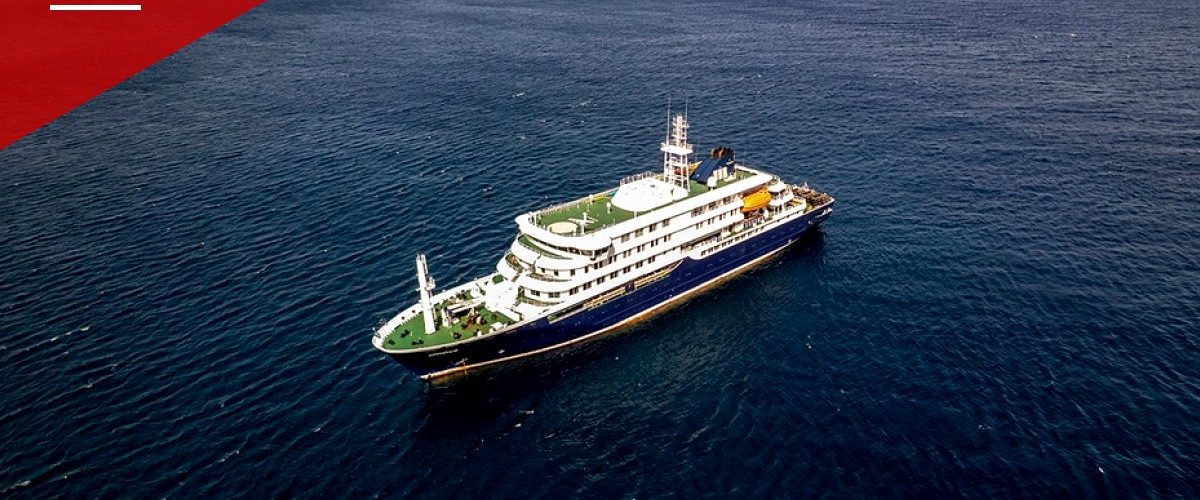
Princess Cruises has confirmed that 148 people aboard the Caribbean Princess — 134 passengers and 14 crew members — have reported gastrointestinal symptoms during a current Caribbean voyage, according to the U.S. Centers for Disease Control and Prevention. The cause has not yet been publicly identified.
In a statement, Princess Cruises said: “Princess Cruises can confirm that a limited number of guests aboard Caribbean Princess have reported mild gastrointestinal illness. Our crew responded promptly by implementing enhanced sanitation protocols across the ship, including comprehensive cleaning and disinfection measures. While most guests remain unaffected, we are continuing to closely monitor the situation.”
Norovirus is responsible for more than 90% of shipboard gastrointestinal outbreaks, which occur roughly 10 to 20 times a year across the cruise industry, including one earlier this spring on the same ship. Rapid PCR testing capable of identifying a pathogen on a vessel the size of the Caribbean Princess currently requires dozens of machines and can take days to produce results, delaying a definitive diagnosis even as crews isolate sick passengers and step up cleaning.
A Deadlier Outbreak Earlier This Year
The current illness aboard the Caribbean Princess has drawn renewed attention to a far more serious outbreak that struck another ship, the MV Hondius, which departed Ushuaia, Argentina, on April 1 carrying more than 150 passengers and 57 crew on a specialized ecotourism and research voyage. The ship was unknowingly carrying the Andes strain of hantavirus, a pathogen capable of spreading person to person and, in severe cases, causing fatal hantavirus pulmonary syndrome.
One passenger, Leo Schilperoord, developed a fever and flu-like symptoms on April 5 but continued interacting with other passengers until he died on April 10. A British birdwatcher aboard also became ill. On April 22, another passenger, Mirjam Schilperoord-Huisman, developed symptoms. She and another patient were taken off the ship in late April and transported to Johannesburg, South Africa, for diagnosis and treatment; she later died there.
On May 1, 2026, the ship’s own doctor fell ill, and a retired Oregon oncologist and birdwatcher traveling as a passenger, Dr. Stephen Kornfeld, stepped in to provide medical care for the remainder of the voyage.
“I know the limitations of equipment and medications on the ship. I know that if things become life-threatening for the sick people, my ability to intervene will be somewhat limited. At the same time, I know that I can just be reassuring to everyone on the boat, the crew, and the passengers. Letting them know that there is still a medical presence, that if other people get sick, there will at least be somebody to talk with them and try to help them. And I ultimately think this provides more of a service to the people on board than my actual care.”
Dr. Kornfeld’s account was recounted by Fox News medical contributor Dr. Marc Siegel, who interviewed him for a forthcoming book.
Diagnosis and Quarantine
On May 4, laboratory testing in South Africa confirmed the Andes strain of hantavirus as the cause of the outbreak. Passengers who disembarked in mid-May underwent lengthy quarantines, including at the National Quarantine Center at the University of Nebraska Medical Center. In total, 13 cases were reported and three people died. Health officials later confirmed the outbreak did not spread beyond the 13 cases linked to the ship.
The two incidents, weeks apart, underscore a recurring vulnerability for the cruise industry: close quarters, shared ventilation and dining spaces, and the practical difficulty of quickly identifying an unknown illness before it spreads among passengers confined together at sea.



Add comment