
Checklist: note Granger’s milestones; recount her final months and health issues; include reactions from leaders; preserve direct quotes and timeline; explain impact on representation.
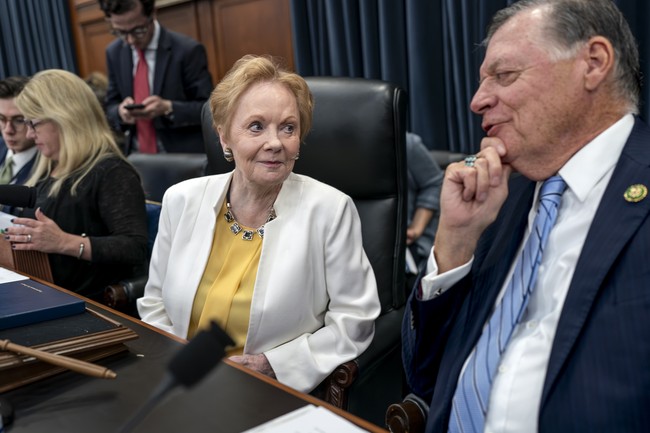
Kay Granger, the Fort Worth mayor-turned-congresswoman who broke multiple glass ceilings for Republican women in Texas, has died at 83. Her career spanned local activism, 14 terms in the U.S. House, and leadership of the Appropriations Committee, making her one of the most consequential conservatives from North Texas in recent memory. Her final year, marked by long absences and health struggles, complicated how constituents experienced their representation. This account focuses on her milestones, the circumstances of her departure from Congress, and the responses from Republican leaders.
Granger rose from neighborhood activism to local office after organizing residents against a proposed liquid-waste plant near her home. She served on the Fort Worth Zoning Commission through much of the 1980s, won a seat on the City Council in 1989, and was elected mayor two years later. Her local leadership led directly to a congressional bid in 1996, and she began serving Texas’ 12th District in January 1997. Over the next 28 years she became a defining conservative voice for her region.
In Washington, Granger focused on military readiness, veterans, and projects that mattered to North Texas. She spent 25 years on the House Appropriations Committee, became the committee’s ranking Republican in 2019, and took the chair in January 2023. She stepped down as chair in April 2024 after months away from the Capitol. Even as her influence on federal spending decisions was substantial, the final stretch of her career raised tough questions about continuity of representation for her district.
Republican House Speaker Mike Johnson issued a statement that emphasized her service and friendship, remembering her as a barrier breaker and public servant.
https://x.com/SpeakerJohnson/status/2084081192999981058?ref_src=twsrc%5Etfw
“Kay Granger devoted her life to serving her Fort Worth, Texas community — as a teacher and businesswoman, on the Fort Worth Zoning Commission and City Council, as Mayor, and in Congress for nearly three decades, where she also served as Chairwoman of the House Appropriations Committee.
Throughout her career, she broke barriers for women in public service. She was the first woman to serve as Mayor of Fort Worth, the first Republican woman elected to represent Texas in the U.S. House of Representatives, and the first Republican woman to chair the House Appropriations Committee.
Kelly and I send our prayers to her family, loved ones, and the Fort Worth community as we remember her extraordinary life of service and lasting legacy. She was a dear friend who will be greatly missed.”
Granger’s last recorded House vote came on July 24, 2024, and she did not return to cast votes during the remainder of that term. That absence mattered: Republicans held a razor-thin majority and critical votes on the debt ceiling, disaster relief, and border security were on the calendar. Tarrant County Republicans and others voiced frustration that CD-12 lacked active representation at a time when every vote counted. That frustration came from a conservative perspective that expected reliable representation in high-stakes moments.
Local accounts later reported she had been found confused and disoriented near her home and was living at a memory care and assisted living facility in Fort Worth. Her congressional office had closed, phones routed to voicemail, and constituents sought clarity about where their member was and why she was absent. Granger’s office pushed back on parts of the reporting, saying she was in an independent living facility, while her son acknowledged she had experienced “some dementia issues.” Those conflicting messages only deepened constituent concern about transparency and continuity.
“The lack of representation for CD-12 is troubling to say the least. The margin in Congress is razor thin and the lack of a Republican vote representing CD-12 disenfranchises 2 million people. We deserve better.”
Her office issued a statement outlining the health challenges that limited her ability to travel to Washington, noting that since early September her condition had progressed and frequent travel had become difficult and unpredictable. The statement also praised her staff for continuing constituent services. Even with staff work, a district without its elected vote in tight legislative fights is a real loss for voters who count on conservative leadership to defend priorities.
Granger’s trajectory—from neighborhood activist to the top of Appropriations—illustrates the conservative pathway of local engagement leading to national influence. She amassed a record of 14 terms in Congress and long tenure on the committee that steers federal spending, leaving a tangible imprint on defense and veterans policy. Those achievements matter to Republican voters who value steady advocacy for the military and taxpayer priorities that benefited her region and the broader conservative agenda.
Public figures beyond Congress noted her role in Fort Worth and Texas politics. Fort Worth’s mayor described Granger as a mentor whose spirit and work ethic shaped the city. Many in the local conservative community saw her as a trailblazer whose rise demonstrated practical conservative governance rooted in community service. Yet the end of her congressional career, tied to health and absence, left unresolved questions about the duty to ensure clear, continuous representation for constituents in critical moments.
“Over the years that I worked with Kay, I learned from her indelible spirit, work ethic, constant sacrifice, and unwavering commitment to Texas and Fort Worth. I’m fortunate to have called her a mentor and friend. To Kay’s family, my prayers are with you. What a lady, and the end of an era in political service.”
Her legacy combines notable firsts for Republican women in Texas with the practical results of long-term committee work. She opened doors and delivered for North Texas, but the circumstances surrounding her final months prompted a broader conversation within the party about how to balance respect for private health matters with the need for transparent representation. Those debates will shape Republican thinking about succession, communication, and accountability going forward.
Add comment