
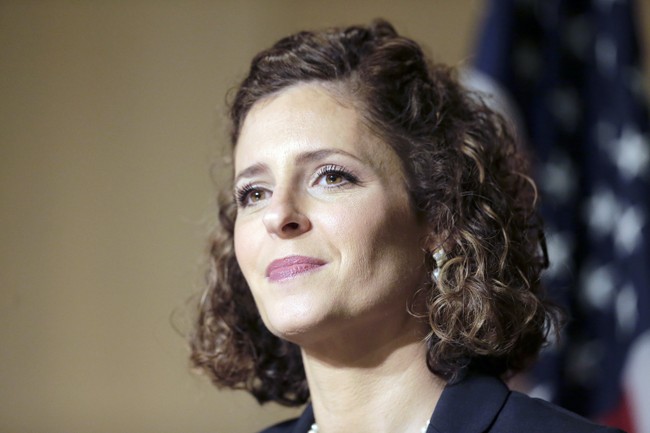
Congresswoman Julia Letlow secured the Republican runoff in Louisiana, led by decisive early and absentee voting that outpaced John Fleming on election day, and she now heads into a likely November general election matchup against the Democratic nominee.
Letlow’s victory came after she dominated the early and absentee ballots, while on-the-day turnout stayed low across much of the state. Weather and voter apathy were reported factors in the thin showing, and those dynamics amplified the value of late endorsements and organized get-out-the-vote efforts.
https://x.com/DecisionDeskHQ/status/2071046103156318713
President Donald Trump’s endorsement, joined by Governor Jeff Landry and other state figures, proved influential in consolidating Republican support behind Letlow. She had emerged from the primary with a sizable lead and maintained it as returns trickled in, with projections early on signaling a comfortable margin that Fleming could not close.
Fleming, a former congressman and the current state treasurer, struggled to overcome Letlow’s advantage in absentee and early ballots, which often signal the most committed voters in an intra-party fight. Polling ahead of the runoff had been mixed, but the solid early vote and organized campaign outreach left Fleming with little room to mount a comeback. By the time half the votes were reported, Letlow held roughly a ten-point edge that appeared decisive.
The Democratic runoff went to newcomer Jamie Davis, who now prepares to face Letlow in November. Davis sought to unite his party using his background as a Black farmer, businessman, and a self-described gun owner, a combination meant to broaden appeal in a state that trends heavily Republican. Still, Louisiana’s partisan lean makes the general election an uphill climb for any Democrat statewide.
Letlow’s rise highlights two realities for Republicans in Louisiana: the continuing power of Trump’s endorsement with the base and the strength of Governor Landry’s political apparatus. Landry’s influence reportedly extended to securing the president’s backing early and coordinating PAC activity that targeted Fleming, showing how local party machinery can shape outcomes long before ballots are cast.
Turnout estimates suggested the race would finish in the mid-teens percentage-wise, with early projections around 14 to 17 percent, a level driven down by low on-the-day participation. In a low-turnout race, every organized field operation, endorsement, and absentee mobilization carries extra leverage, which in this case favored Letlow’s coalition and message. That imbalance between early voters and election-day crowds is an important takeaway for campaigns preparing for the fall.
For Republicans in Washington and Baton Rouge, Letlow’s win reads as both a validation of endorsed candidates and a reminder of the need to keep ground operations sharp. The result also signals that coordinated support from party leaders and allied groups can deliver in tight primary contests. For Democrats, the outcome underscores the challenge of overcoming party registration and turnout patterns across Louisiana.
Editor’s Note: The 2026 Midterms will determine the fate of President Trump’s America First agenda. Republicans must maintain control of both chambers of Congress.

Add comment