
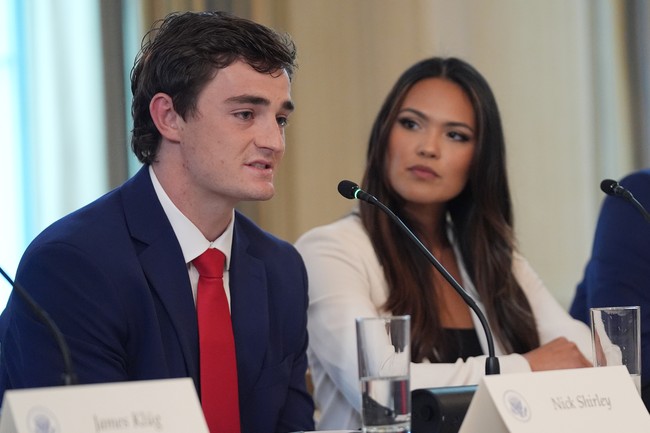
Investigative reporter Nick Shirley has gone from exposing massive fraud in Minnesota to taking aim at California, and his findings and exchanges with Governor Gavin Newsom have ignited a heated public debate over taxpayer waste, accountability, and political optics. This article traces Shirley’s recent work, the fallout from his Minnesota reporting, his claims about $170 million in California fraud, the viral video he released, and the sharp public back-and-forth with Newsom and others. It preserves key quotes and the original embedded media tokens for context.
Nick Shirley first drew national attention by exposing large-scale fraud tied to a Minneapolis childcare scheme, and his work led to federal scrutiny and congressional testimony. That effort rattled officials and helped produce tangible consequences, including a freeze on related payments and increased oversight. Shirley’s ability to turn reporting into action set the stage for his next move: investigating similar patterns in California.
Shirley released a forty-minute video outlining what he alleges is widespread fraud, waste, and abuse in California programs, claiming the total reaches roughly $170M. The clip lays out examples, names institutions and individuals, and frames the issue as a systemic failure to protect taxpayers. The allegations are raw and detailed, and they quickly grabbed attention across social feeds and conservative commentators.
“I ENDED TIM WALZ,” Shirley in early January, a short, bold declaration that became a rallying point for his supporters and a taunt to his political targets. He followed that success by pivoting to California, presenting his findings in a format designed to pressure investigators and elected leaders to act. The mix of direct accusation and investigative footage made the story hard to ignore.
After Shirley published his California report, Governor Gavin Newsom responded publicly in a way that some saw as dismissive and defensive. Newsom’s reaction was framed on social media and drew criticism from conservatives who argue the governor downplayed serious fraud allegations while relying on taxpayer-funded platforms. The pushback focused on perceived arrogance and a lack of accountability at the state level.
Shirley pushed back swiftly and directly, pointing out that his goal is to stop fraud and save taxpayer money rather than to score political points. His reply emphasized public service and accountability over partisan theatrics, and it resonated with voices demanding concrete action. That calm, pointed response undercut Newsom’s attempt to make the reporter look petty, reinforcing Shirley’s image as the one pressing for answers.
Embedded media accompany the reporting and public exchanges, capturing both the evidence Shirley presented and the public reactions that followed. The footage and posts show the mix of investigative clips and instant commentary that defined the controversy, and they help the public weigh the claims against the official responses from state leaders.
We ALL work way too hard and pay too much in taxes for this to be happening. These fraudsters have been able to defraud American taxpayers for years without any pushback from the public and politicians.
It is time to EXPOSE IT ALL and end America’s fraud crisis.
Critics argue this is exactly the kind of thing voters should be alarmed about: unchecked waste and weak oversight that allow fraud to thrive. In California’s case, critics say the state’s systems and leadership have become complacent, creating opportunities for abuse. That critique hits especially hard coming from a governor positioning himself as a national leader while his state faces major accountability questions.
Newsom’s social posture drew further scrutiny when commentators and public figures piled on with blunt criticism and mockery. Some called Newsom’s reaction tone-deaf, noting how it undercuts confidence in the state’s stewardship of public funds. The exchange has become one more talking point for conservatives who portray California’s problems as emblematic of a broader governance failure.
Shirley’s follow-up responses were pointed and strategic, keeping the spotlight on alleged financial losses and on the need for active investigations. He made clear he intends to keep pushing until auditors and prosecutors address the evidence he’s compiled. That determination has attracted allies and amplified calls for oversight both inside and outside California.
Public reaction has not been limited to journalists and politicians; actors and commentators have joined the chorus, amplifying criticism and framing the dispute in stark terms. Some voices described Newsom’s conduct as emblematic of a leader disconnected from the consequences of lax oversight. The debate has continued to grow as more people digest the allegations and the governor’s responses.
High-profile conservatives weighed in with blunt assessments of the governor’s approach to accountability and public trust. They argue the episode highlights why voters should scrutinize leaders who prioritize optics over results. The broader conversation now centers on whether this reporting will force meaningful audits and investigations or simply become another media skirmish.
The stakes are straightforward: taxpayers deserve effective government and robust oversight, and investigative reporting that exposes possible fraud should prompt swift, transparent action. The clash between Shirley and Newsom suggests this fight over accountability will continue to play out in public, with investigators, politicians, and citizens watching closely.


Add comment