
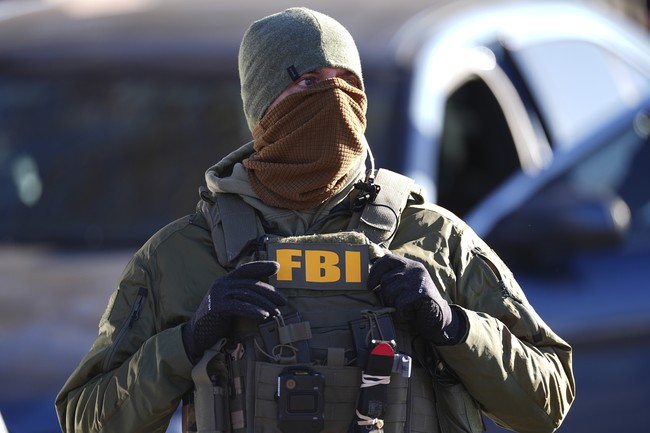
This article examines recent federal indictments alleging an improvised explosive device was planted outside the visitor gate at MacDill Air Force Base, the reported escape of one suspect to China, the arrest of a sibling, and the details investigators say tie the pair to the device and cover-up efforts.
The FBI announced charges in a case that has drawn attention because of the target and the defendants’ reported movements. Officials say the device was placed near the base that houses a major military headquarters, and that one suspect is currently outside the country.
A .
The post continues:
…20-year-old Alen Zheng fled to China after allegedly planting the device outside a gate at the base which houses the headquarters of U.S. Central Command.
His sister, 27-year-old Ann Mary Zheng, is in custody and faces charges of evidence tampering and being an accessory after the fact.
Authorities say the younger sibling is believed to have left the United States and returned to China after the incident. The charge sheet lists offenses tied to explosives and the unlawful construction and possession of a destructive device.
A brother and sister have been indicted after authorities say one of them planted a potentially deadly explosive device outside MacDill Air Force Base in Florida — then fled to China, while their mother is now in ICE custody after allegedly telling investigators her son confessed to the plot.
The FBI said Alen Zheng, who is believed to have planted the device, is currently in China. He is facing charges of attempted damage to government property by fire or explosion, unlawful making of a destructive device and possession of an unregistered destructive device, which carry a potential sentence of up to 40 years in prison.
Investigators describe the device as potentially very dangerous and say it failed to detonate. That failure prevented harm, but officials stress a successful detonation at a military installation would have been catastrophic.
Federal prosecutors have charged the sibling who remains in custody with accessory after the fact and tampering with evidence. Prosecutors say those charges reflect actions taken after the alleged planting of the device to hide or destroy materials tied to the investigation.
FBI Tampa also arrested his sister, Ann Mary Zheng, who is charged with accessory after the fact and tampering with evidence, facing up to 30 years in prison.
She is accused of hiding or damaging a 2010 Mercedes-Benz to prevent its use in legal proceedings, court documents show.
Prosecutors allege that on March 11, the day after the bomb was planted, the siblings attempted to cover their tracks by selling the vehicle to car dealer CarMax. Despite being vacuumed and cleaned, investigators later discovered trace explosive residue inside the vehicle.
Court filings, as summarized by law enforcement, say the vehicle was cleaned and sold the day after the device was planted, but forensic testing reportedly recovered traces of explosive material. That line of evidence appears central to the tampering charge.
Officials also told investigators that a family member relayed a confession, leading to further action by immigration authorities. Those developments expanded the case beyond the immediate criminal charges to immigration enforcement steps for others connected to the suspects.
The alleged timeline places the device placement on March 10, with a subsequent anonymous 911 call that hinted at a bomb but refused to identify the exact location. Law enforcement says the caller claimed the device existed minutes after it was reportedly placed.
On March 10, Alen Zheng allegedly planted an improvised explosive device (IED) in a secluded location outside the base’s visitor center.
Minutes later, officials claim he placed a cryptic 911 call stating a bomb had been planted, but refused to provide the exact location.
The device, which officials noted was potentially “very deadly,” failed to detonate.
Investigators have characterized the device as operable and potentially lethal, and they emphasize that even failed attacks signal gaps that must be examined. The federal case pairs explosive-related counts with obstruction and tampering allegations aimed at those who allegedly tried to erase evidence.
With one suspect reportedly beyond the reach of U.S. authorities, the prosecution faces the practical challenge of pursuing accountability across borders. The detained sibling will be central to the domestic case, and prosecutors are pursuing the statutory penalties spelled out in the indictment.
Local and federal agencies involved in base security and counterterrorism are continuing their inquiries, and court proceedings for the detained defendant will move forward through the normal criminal process. The investigation has highlighted how forensic work and transactional records, like vehicle transfers, can produce leads in explosive device cases.

I’m making over $17k a month working part time. I kept hearing other people tell me how much money they can make online so I decided to look into it. Well, it was all true and has totally changed my life. This is what I do,
HERE →→→→→→→→→→ PayAtHome1.Com