
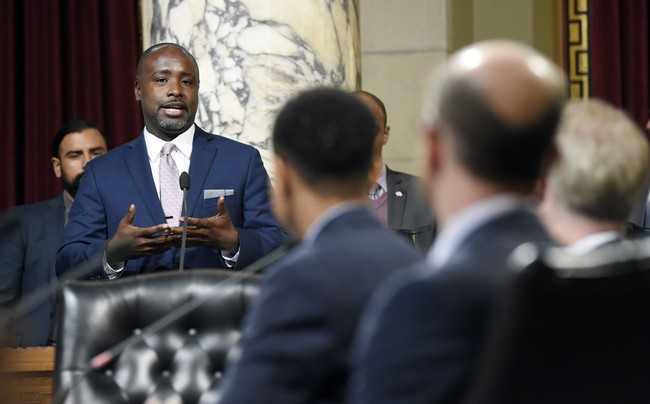
California’s new rules for local government meetings aim to widen access by making hybrid participation standard, but they also change how influence is exercised at City Halls and county boards, shifting power toward organized actors who can adapt to controlled, tech-mediated processes.
Most people assume elections are the last word in political power, but much of real influence happens in routine City Council meetings. Those Tuesday-night chambers are where decisions on housing, zoning, and public safety get finalized, and the nature of participation there matters more than most voters realize.
SB 707, signed into law and rolling out starting July 1, 2026, requires hybrid government meetings with live streaming and two-way telephonic or audiovisual participation. The law also expands language access and forces agencies to pause or recess when technical problems interrupt public access, embedding remote participation into regular practice.
On paper, the law promises wider engagement and a modernized process, and those are appealing goals. But expanding the audience is not the same as preserving the kind of in-room pressure that once moved votes and shifted outcomes. The mechanics of participation matter as much as the number of participants.
The old model had friction that mattered: you had to show up, stand at a podium, and face elected officials and neighbors. That presence concentrated attention and made an individual or a small group’s testimony feel consequential. It was harder for officials to ignore a dozen constituents visibly present than a dozen phone lines queued in a virtual system.
Moving public input to screens and phone lines lowers the barrier to entry, which increases participation but also fragments it. Remote comment tends to be segmented and timed strictly, making it easier for staff or presiding officers to manage the flow. The number of voices may increase, but the influence of any single voice can decline.
Cities are already weighing how to translate old practices into a hybrid era, and these choices will shape outcomes. Techniques like time ceding, where speakers pool their minutes for a sustained presentation, are being restricted to equalize remote and in-person participation. That sounds fair, but it robs groups of the ability to present coordinated, pressure-building testimony.
Fragmented comment periods favor short, disjointed interventions over organized campaigns that demand attention. Where coordinated testimony used to shift debates and force council members to respond, tightly managed time allotments make it easier to diffuse pressure and move on to the next item.
SB 707 sits alongside other policy changes that reduce transparency and alter disclosure practices across state and local government. A package of measures under consideration tightens control over information about donations, reporting, and official interactions, and some administrative habits already point in the same direction.
There are accounts of state officials using privately provided phones for off-the-record conversations and of nondisclosure agreements tied to public projects, practices that erode the kind of visible accountability voters expect. Taken together, these shifts change the texture of civic life even if each change is defensible on its own.
The real tradeoff here is between reach and bite: wider reach gives more people access, but the bite of that access — the capacity to apply sustained pressure and influence policy — may be dulled. Technology mediates participation in ways that favor manageability over intensity.
That doesn’t mean people lose all influence. Instead, influence will flow to those who can master the new environment: organizers who can mobilize many brief interventions, groups that can operate seamlessly across platforms, and actors who understand procedural levers. The winners will be those who adapt quickly and at scale.
For average residents, the path to shaping decisions becomes less obvious. Showing up in person still matters, but so does learning how to use new digital channels strategically. Without that know-how, most voices will be heard but not felt, and policy will reflect the priorities of the best-organized participants.


Add comment