
The story follows a live TV reporter in California who was covering a bear incident when another bear unexpectedly wandered into the frame, highlighting how black bears thrive near humans, why wildlife officials sometimes trap and euthanize problem animals, and how reporters and neighbors cope when wild animals show up in suburban yards.
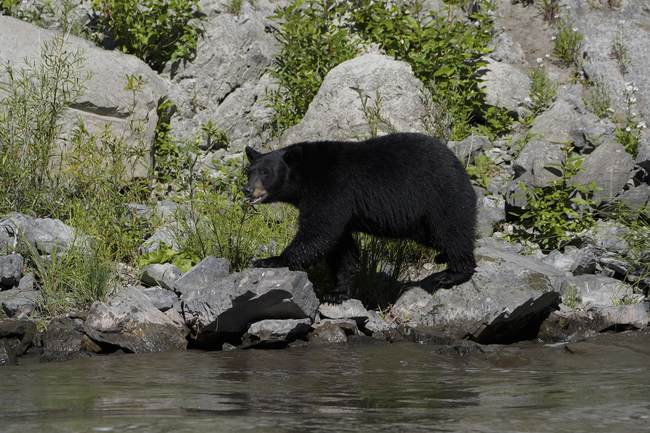
The black bear (Ursus americanus) does surprisingly well around human development, finding food in gardens, trash cans, and even crawlspaces beneath homes. Their adaptability makes encounters common where people and forested pockets overlap. Sometimes those encounters are harmless curiosities; other times they become dangerous when a bear begins to associate people with food.
In a Southern California neighborhood, a local reporter was on scene because a bear was suspected of having swiped at a person. While she teased an upcoming segment on local bear encounters, another bear casually strolled into the live shot behind her. The unexpected appearance grabbed attention and underlined how close these animals can come to homes and streets.
A TV news reporter was delivering a live segment about a bear encounter in California when a bear wandered into the camera frame behind her.
Erin Myers, a reporter for KTLA-TV, was broadcasting live from a Monrovia neighborhood on Sunday morning and teasing an upcoming story about bear encounters in the area when a bruin emerged from next to a garage and a parked trailer.
The crew handled it the right way by staying calm and keeping distance. Off-camera, wildlife teams had set a trap near a trailer to capture a bear believed to be living under a nearby house. Traps are standard practice when authorities believe a specific animal poses a risk, especially if it has shown aggressive behavior or targeted people or pets.
KTLA’s Megan Telles spotted the bear and tossed the broadcast back to Myers, who monitored the animal from a safe distance.
“You can see the bear actually walking into the trap, or no, it was going to, but now it’s walking out,” Myers says in the footage.
Myers later said it was the second time she had been interrupted by a bear during live broadcast.
Keeping composure on camera matters, but the bigger issue is public safety and animal welfare. Officials reported that the trap targeted the bear suspected of swiping at a woman walking her dog on a neighborhood street. When wildlife officials are convinced a specific bear has become a threat to humans, euthanasia is often the last resort, chosen because repeated proximity and boldness predict further risk.
The trap had been set for a bear believed to be living underneath a neighborhood home. A bear was reported to have swiped at a woman who was walking with her dog on Oakglade Drive during the weekend.
Wildlife officials confirmed the bear responsible for the attack was captured and euthanized.
Those outcomes are hard to accept emotionally, but the reality is stark: bears that learn to get food from people rarely revert to truly wild behavior. Once the association is made, the animal becomes unpredictable and dangerous. Wildlife managers balance the desire to preserve wildlife with the obligation to protect people and pets when habituation leads to attacks.
There is also an important difference between black bears and grizzlies that often surprises people. Black bears are less likely to attack than grizzlies overall, but when a black bear does attack, the intent can be more predatory. That grim possibility explains why officials take bold steps when an animal shows aggressive or unusual behavior around humans.
Coverage like this one serves two purposes: it documents an unusual moment on live TV and it reminds residents that wild animals are part of the landscape and can be dangerous when they learn to exploit human resources. Practical prevention—secure trash, remove attractants, and avoid leaving pet food outside—helps reduce encounters, but when an animal has already crossed certain lines, removal is sometimes unavoidable.
For the reporter, the incident was a memorable interruption and a test of on-air steadiness, and for the neighborhood it was a reminder that coexistence requires vigilance. The local response involved trapping efforts and, ultimately, a decision by wildlife authorities based on safety assessments. The footage shows how quickly a routine segment about wildlife can turn into a close-up lesson on the realities of living with large animals.
Nearby residents and viewers who saw the live shot were reminded that these animals are powerful and unpredictable when habituated, and the episode has sparked conversation about prevention and responsibility in areas where bears roam. The encounter also highlights the strange and sometimes humorous moments that come with field reporting, especially when nature refuses to stay polite and off-camera.



Add comment