
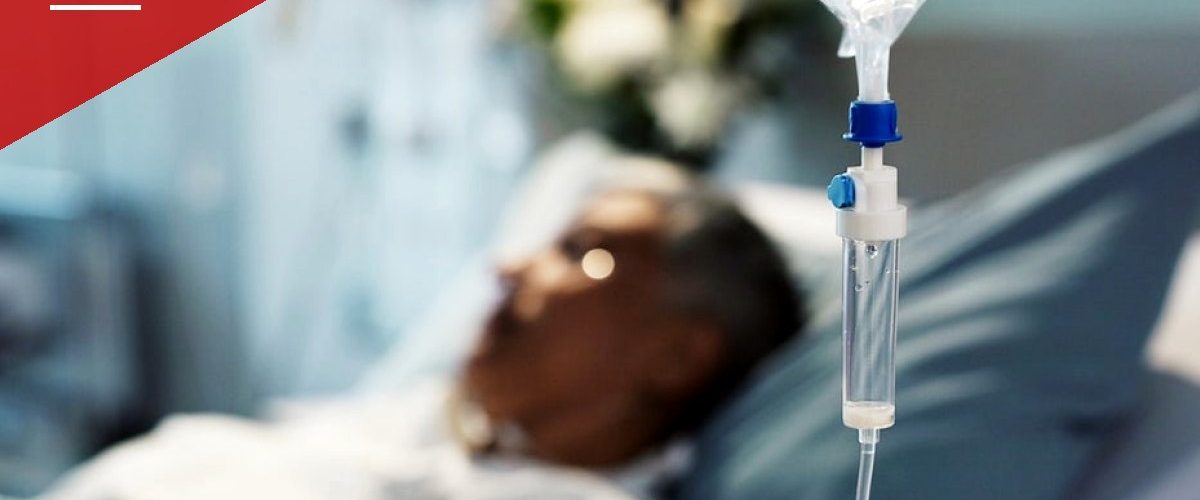
Patients who take melatonin or the sleep drug Ambien (zolpidem) before surgery may experience less pain, less anxiety and reduced reliance on opioid painkillers during recovery, according to research presented at the ANESTHESIOLOGY 2026 annual meeting in San Diego, California, on Oct. 18.
Researchers reviewed 16 studies covering more than 1,100 patients who underwent abdominal, gynecologic, orthopedic, urologic, dental and other surgical procedures between 2000 and 2025, according to a press release from the American Society of Anesthesiologists.
Melatonin was typically taken the night before surgery and/or 20 to 90 minutes before anesthesia, in doses ranging from 1 mg to 20 mg. Ambien was consistently dosed at 10 mg, taken at bedtime either the night before surgery or over multiple nights up to two days ahead of the procedure.
Across the studies, melatonin use was linked to less anxiety, pain and inflammation, along with a more than 30% reduction in opioid use among some abdominal surgery patients. The analysis suggested melatonin may be a safer option than traditional sedatives for older adults, who are more prone to post-surgical confusion. Patients who wore activity monitors also showed improved recovery and sleep patterns after taking melatonin.
Ambien was associated with better pre-surgery sleep among patients with existing sleep problems, and with less pain afterward. Colorectal surgery patients who took Ambien needed less opioid medication during surgery and in the first 24 hours after, along with lower inflammation levels. Hip replacement patients who took it reported less anxiety and depression and greater satisfaction with their recovery.
Because the study was a scoping review — a summary of existing research rather than a direct test of a treatment — the authors said they could not issue clinical recommendations or fully assess bias in the underlying studies, and called for further research.
Sleep’s Role in Pain and Dependence
Dr. Sebastian Amaya, the study’s senior author and a senior anesthesiology resident at Yale School of Medicine, said he wasn’t surprised that better sleep correlated with better outcomes, given sleep’s role in immune function, cognition and emotional health.
“Pain is ultimately an experience,” Amaya said, noting that a person’s environment and other individual factors can influence how much pain they feel.
He explained that many of the hormones involved in pain regulation are also tied to sleep. “If you have insomnia, if you have other chronic sleep issues, all these different biological pathways can be disrupted, and that could lead to increased pain after surgery,” he said. “So, by having somebody with optimized sleep preoperatively, we decrease the risk of increased pain after surgery.”
The stakes extend beyond the hospital stay. Opioids are routinely prescribed after surgery, and prior research has tied greater post-surgical opioid exposure to a higher risk of continued use down the line. Amaya cautioned, however, that the new findings don’t prove better sleep prevents long-term dependence.
“A lot of these studies did show that the patients had decreased pain levels and decreased opioid consumption in the immediate post-operative period,” he said. “Unfortunately, they didn’t get followed up for the next couple of days. That would be another study that should be done.”
Amaya said getting patients out of the hospital quickly while controlling pain is a key goal, and that improving sleep beforehand could be an easy, low-cost step — especially since modern habits like screen exposure and noise already erode sleep quality for many people. “There are probably a lot of people who actually have poor sleep quality, and that can play a role when they come to surgery and have post-operative problems, like a lot of pain,” he said. “Maybe their sleep could have been optimized with better sleep hygiene, or maybe they could have talked to their primary care physician.”
A Cautious Second Opinion
Dr. Wendy Troxel, a Utah-based licensed clinical psychologist and senior behavioral scientist at RAND who was not involved in the study, said the results track with what’s known about sleep and healing.
“We know how important sleep is for healing and recovery, and it’s very normal to feel anxious and sleep poorly before a major medical procedure,” Troxel told Fox News Digital. “For some patients, a short-term sleep aid around the time of surgery may help.”
Troxel noted that sleep medications generally aren’t recommended as a long-term fix for insomnia, and said she was somewhat surprised melatonin showed measurable benefits given that broader evidence suggests it has limited effect as a sleep aid for most people. “It may be that placebo, or expectancy effects, could also contribute, particularly in such a stressful context,” she said.
Still, Troxel called the findings “interesting” and said they could positively shape how patients are prepared for surgery. She noted that pre-procedure anxiety and poor sleep are common, and offered a plain piece of advice for anyone weighing the option: “Anyone considering melatonin or a prescription sleep medication should check with their surgical and anesthesia team about what is appropriate for them.”


Add comment