
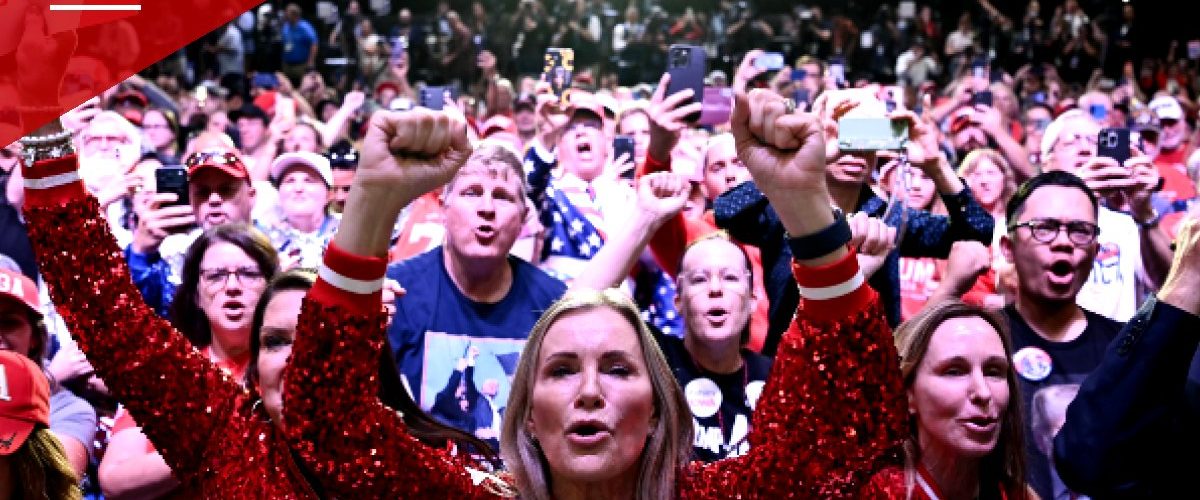
A new NPR/PBS News/Marist poll shows Democrats leading Republicans on the generic congressional ballot by eight points, 52 percent to 44 percent, heading into next week’s midterm elections. But the poll’s internal numbers suggest the enthusiasm gap between the two parties may be narrowing.
According to figures reported by the Daily Mail, 98 percent of Democratic likely voters said they would vote for their party’s candidate, but only 81 percent believed that candidate would actually win — a 17-point gap between intention and expectation. Among Republicans, that gap was smaller, at 10 points, between those who said they would vote for their candidate and those who expected that candidate to win.
The poll also found generational and demographic splits in voter enthusiasm. Just 42 percent of likely voters under 45 said they were “very enthusiastic” about voting. Among non-white voters, 53 percent said the same, as did 56 percent of college-educated white women — two groups that have traditionally leaned Democratic. By contrast, 68 percent of voters who support President Trump’s agenda told pollsters they were very enthusiastic.
Attention to the election has also shifted. Last month, 42 percent of Democrats said they were following the election very closely, compared with 34 percent of Republicans. In the latest poll, those numbers moved to 46 percent for Democrats and 45 percent for Republicans — a near-even split.
A History of Polling Misses
Generic ballot polling has a mixed track record in recent election cycles. In the RealClearPolitics average of polls, Democrats currently hold an 8.2-point lead on the generic ballot. Ahead of the 2018 midterms, Democrats held a similar 7.3-point lead in the polling average and went on to pick up 40 House seats that year. Republicans, however, gained a net of two Senate seats that same cycle.
Polling in general election races has frequently underestimated Republican performance relative to final results, a pattern observed over roughly the past 25 years across multiple polling outlets.
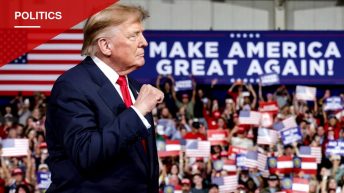
Regardless of the outcome, President Trump has taken an active role in this midterm cycle, campaigning extensively on behalf of Republican candidates rather than waiting to see which races looked most winnable before committing his time.


Add comment