
Republican Bruce Blakeman, the Nassau County Executive who ran as the GOP’s nominee for governor, lost his own home county in Tuesday’s election, according to an opinion piece published by the New York Post. The defeat has intensified calls within the party for new, younger leadership to replace an older guard that includes Blakeman, President Donald Trump and state party chairman Ed Cox.
The Post’s editorial board argues that the New York Republican Party needs a full rebuild of its institutions, media operations and get-out-the-vote technology, and points to Rep. Elise Stefanik as a model for the kind of bottom-up organizing the party needs. The piece quotes the goal of building a ‘broad coalition’ and a GOP brand ‘compelling to voters whose trust Republicans lost this cycle across the nation.’
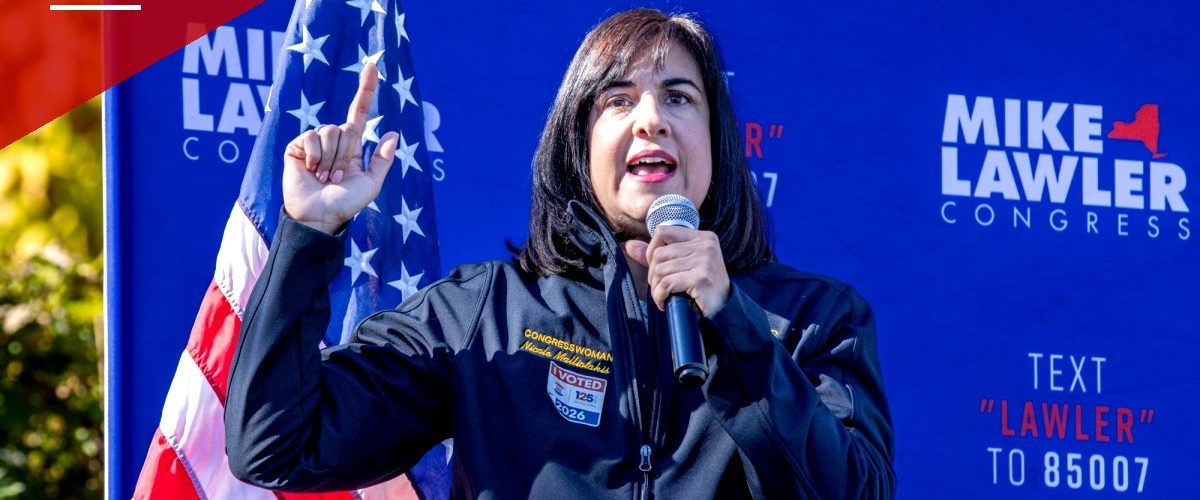
Beyond Blakeman’s loss in Nassau, the setbacks were widespread. Hudson Valley Rep. Mike Lawler was defeated by what the Post describes as the national and state Democratic machines. Reps. Nicole Malliotakis and Nick LaLota held their seats only narrowly in districts long considered safely Republican, and Anthony Constantino won by a slim margin in a seat Stefanik had previously built into a GOP stronghold.
In the state Assembly, the Republican conference shrank from 48 members to 39 as suburban districts that had traditionally backed the GOP flipped to Democrats.
The results mark a sharp reversal from 2022, when Rep. Lee Zeldin came close to unseating Gov. Kathy Hochul and Republicans posted record gains up and down the ballot in New York.
A Debate Over Who Leads Next
The Post’s editorial board rejects the idea that simply replacing Cox with another chairman tied to a county political machine will fix the party’s problems. Instead, it argues future leadership should be drawn from the Republicans who won in 2022, with older figures like Trump, Blakeman and Cox offering guidance from the sidelines rather than directing strategy.
The piece also calls for fundraising that is not dependent on GOP-aligned unions or specific business interests, instead tying financial support to the party’s stated principles, so the organization is ready for what it predicts will be an eventual political swing back toward Republicans — in 2028 or later — as voters grow tired of what the editorial calls ‘socialism and Albany backscratching.’



Add comment