
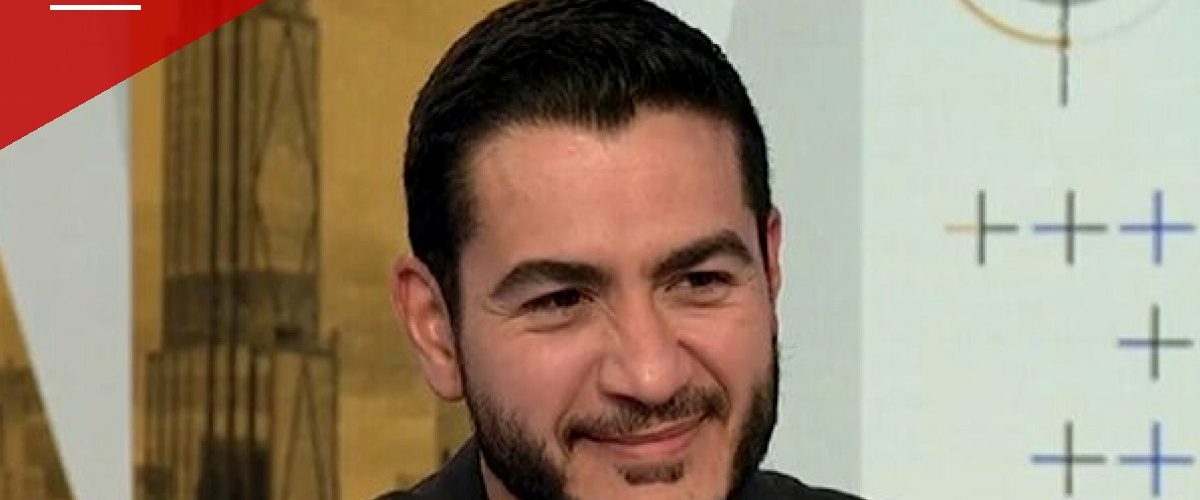
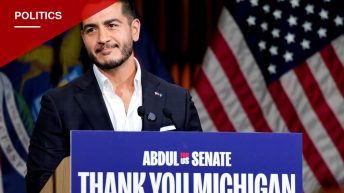
Michigan Senator-elect Abdul El-Sayed, a Democrat, said Thursday that the loss of 300,000 jobs held by Black women during the Trump economy stems from what he called structural racism.
Appearing on MS NOW’s “Morning Joe,” El-Sayed was asked by New York Times opinion writer Mara Gay how Democrats should think about messaging to voters after what she described as an election rejecting “Trumpism” in favor of “multiracial democracy.”
“So I think two things. Number one, who has Trump’s policies hurt the most, right? Racism still is a thing in the world. Even if folks thought it was written and talked about, it’s real,” El-Sayed said. “You look at who lost jobs in Trump’s economy, 300,000 jobs lost by black women, and that’s because structural racism still really does exist. And when you have a bad economy, it hurts people whose access to the economy was worse to begin with.”
El-Sayed went on to argue that voters from those communities were responding not just to economic conditions but to how Republicans, in his view, handled political blame.
“And so it makes sense that these folks are showing up and saying, actually, I want to vote for an economy that includes me, too. But it’s also the way that Republicans decided to scapegoat communities for their own failure. It’s not just that they failed to manage the economy, took us to a war we had no business fighting, tried to do a tariff regime that has lost U.S. jobs. It’s that they then turned around and blamed a whole bunch of people who didn’t look like JD Vance or Donald Trump.”
He said many voters pushed back against that framing. “And a lot of these voters were like, wait a second, wait a second. So I’m losing my job. And now you want to blame folks because they have different kinds of names or look different than you do? And I don’t see a way forward,” El-Sayed said. “And so I think you saw a lot of communities step up and say, I’m not just voting for the kind of economy that includes me. I’m also voting for the kind of politics that doesn’t scapegoat me for your failure.”
He closed the thought by noting a distinction between campaign rhetoric and governing. “So, you know, I want to go ahead, but there’s campaigning and then there’s governing,” he said.
Add comment