
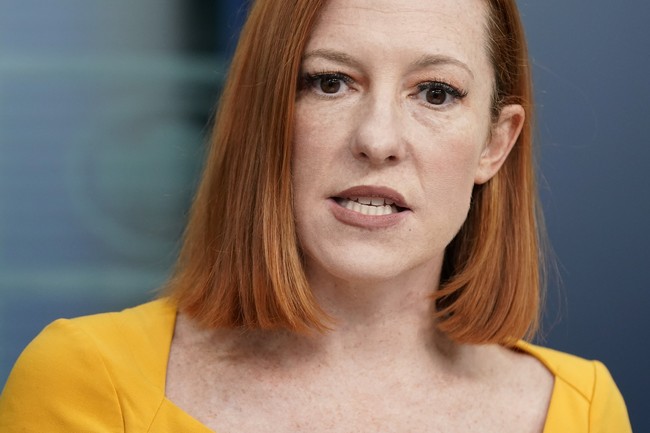
This piece reviews Jen Psaki’s public attack on White House Press Secretary Karoline Leavitt, includes Psaki’s exact remarks, shows a sharp rebuttal and fact check from journalists who covered the briefings, and highlights how press access and briefingroom dynamics changed under Leavitt’s team.
When Karoline Leavitt announced she would step away from the White House to focus on her young family, former Biden press secretary Jen Psaki used the moment to attack her conduct on camera. Psaki accused Leavitt of reshaping the briefing room into “her own personal safe space” and said Leavitt did not engage the press “in good faith.” The comments landed on a Thursday night program and immediately sparked pushback from reporters who actually covered the briefings.
Psaki’s criticism leaned on the familiar theme that the press-secretary relationship must be “adversarial by design,” a point many agree with in theory. Her tone was scathing, however, suggesting Leavitt had made the briefing room about protection instead of accountability. That claim ran headfirst into reporting from journalists who say the opposite happened: more access, more crowded briefings and a change in tone that journalists describe as professional and open.
“The relationship between the press and the White House is supposed to be adversarial by design,” Psaki said on MS NOW, formerly MSNBC, where she was hired after her performance on then-President Biden’s behalf from 2021 to 2022. “I mean, the press in the room are supposed to push for more access, for more information. And there are times when it’s absolutely appropriate for the press secretary to push back. But Karoline Leavitt didn’t want to engage in good faith with those reporters and their tough questions.
“And so, instead, she did everything she could to reshape that briefing room into her own personal safe space where she rarely had to answer a tough question, hardly ever. I mean, she only briefed once or twice a week, max.”
Psaki went further, accusing Leavitt of bending the truth and serving only one man, and she leveled that claim in stark moral terms. Those assertions immediately invited scrutiny because Psaki herself spent months defending an administration that many critics say needed far more transparency. For Republicans and conservative critics, Psaki’s critiques feel hollow coming from someone who helped manage a narrative instead of exposing uncomfortable realities.
Beyond partisan sniping, independent journalists who regularly attended Leavitt’s briefings pushed back with specifics. They described packed rooms and more engagement across media types, not a withdrawal of access. One reporter who routinely covers the briefings emphasized that the atmosphere was notably different and that Leavitt’s staff behaved professionally and courteously, which undercuts Psaki’s claim about a “safe space” where reporters were shut out.
https://x.com/TVNewsNow/status/2088295754242625539
“It’s been about telling the version of the truth according to the serial liar who sits in the Oval Office. Reporters in the room don’t matter. The American people who rely on the reporting from the reporters in the room [don’t] matter, she’s never seen her job as working for the American people as a public servant,” Psaki said, adding she had damaged the job.
That second blockquote above is Psaki’s charge about truth-telling, and it carries weighty language: “the serial liar who sits in the Oval Office” and a refusal to serve the public. The rhetoric is fierce and personal, which only sharpened the response from people who covered briefings firsthand. Reporters said they saw more activity, not less, and many noted the 49 permanent seats are still a limited resource while standing-room crowds now show up more than before.
Republican commentary seized on the contrast between Psaki’s media persona and the reality others described, pointing out that critics who polished an administration’s image for years are not the best judges of openness. One White House spokesman delivered a terse response that captures that sentiment: “Jen ‘Circle Back’ Psaki couldn’t hold a candle to Karoline Leavitt.” That line plays off Psaki’s reputation for avoiding direct answers and flips it into praise for the outgoing press secretary.
The broader argument from conservative observers is straightforward: managing the narrative is different from facilitating press access. Leavitt’s supporters argue she opened doors and treated reporters respectfully while still defending her principal. Psaki’s critique reads as performative from that view, and the behind-the-scenes reporting from multiple journalists provides the counterweight to her on-air judgment.
Moving beyond personalities, the episode highlights a practical point about the briefing room: access and atmosphere matter to reporters and to the public. When different actors take over the podium, the rhythms change, and so do perceptions. In this fight over who handled the job with more integrity, those who were on the ground believe the record supports Leavitt’s approach rather than Psaki’s accusations.
For conservatives, the clash symbolizes something larger about media narratives and accountability: who gets to define truth in real time and who gets to shape how the story is reported. The conversation will keep going, and for now, the evidence offered by reporters who attended briefings stands as the most direct rebuttal to a former press secretary’s scathing claims.


Home-based job that pays more than 12,000 Dollar per month by doing simple tasks on a laptop or mobile device part-time. Last month, I earned 24,863 Dollar from this job by working 4 hours per day online. Very simple jobs to do, and the earnings are insane. Everyone can now make more money online by joining the website listed below…..
𝒋𝒖𝒔𝒕 𝒖𝒔𝒊𝒏𝒈 𝒕𝒉𝒊𝒔 𝒔𝒊𝒕𝒆.. Www.PayAtHome1.Com