
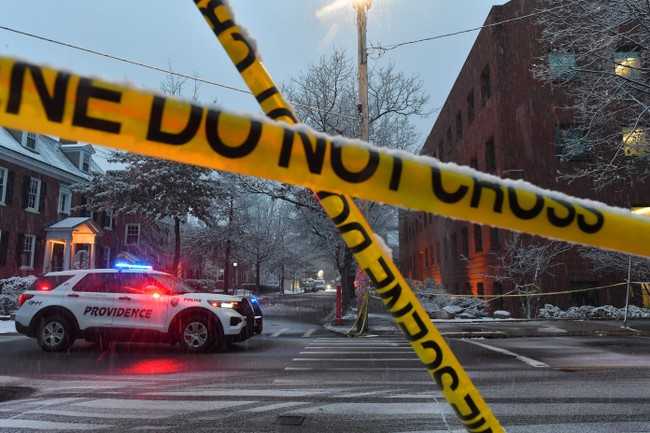
The article examines the aftermath of the Brown University shooting, the discovery of the suspect, the public reaction to Providence officials’ visible celebrations, the crucial role of a homeless man in cracking the case, and the wider questions about campus security failures.
The suspect in the Dec. 13 Brown University shooting, Claudio Neves Valente, was found dead on Thursday and is believed to have also killed MIT Professor Nuno Loureiro on Dec. 15. The two events left two dead and nine wounded at Brown and raised urgent questions about how quickly law enforcement and campus security responded. The discovery of the suspect closed a violent chapter but opened a heated debate about responsibility and competence. Emotions have been raw as families and communities seek answers.
When Providence officials publicly acknowledged the case’s resolution, some observers felt their reaction crossed a line into self-congratulation. The mayor and police chief were later applauded at a basketball game, an image that many saw as tone deaf given the loss and ongoing grief. That public display prompted immediate backlash and a wave of critical commentary. People questioned whether celebration was appropriate while the community was still hurting.
Critics argued that officials should have focused on transparency and accountability rather than optics. The reaction was especially sharp because many felt key operational questions remain unanswered. Why was the shooter able to leave campus and evade capture for days? How did campus security and surveillance systems fail at such a critical moment? Those are the practical concerns fueling anger beyond the visible applause.
A homeless man identified only as John played an outsized role in moving the case forward. Reports say he provided crucial information that helped authorities track the suspect, an effort that likely shortened the investigation’s timeline. Without his involvement, the investigation might have dragged on much longer and left the community more exposed. That fact has reshaped the narrative from institutional success to grassroots intervention.
John’s contribution became a focal point for many who felt the official response was insufficient. He was described as being “taken care of on the federal level” and given temporary lodging, recognition that many believe is deserved given his role. Authorities have suggested he may be eligible for a $50,000 reward tied to information leading to the capture of the shooter. Advocates argue he should receive more formal gratitude and real support for his efforts.
The questions about security are practical and pressing: what surveillance was in place, why would cameras not capture the incident, and why did investigators need to seek video from surrounding businesses? Campus surveillance, access control, and coordinated response protocols all came under scrutiny. Some reporters even asked whether policy decisions—meant to protect privacy or certain populations—had unintentionally undermined safety. Those inquiries are now central to calls for reform.
Brown University faces calls for a comprehensive overhaul of its security practices in light of the shootings and subsequent fallout. Critics point to lapses in CCTV coverage and campus monitoring as evidence that current systems are inadequate. Stakeholders want transparent audits of security policies, staffing, and technology that could have prevented or mitigated the tragedy. There is growing pressure for immediate, tangible changes rather than reassurances alone.
Many community members and observers have also raised broader questions about the intersection of campus safety and municipal law enforcement. Coordination between university security teams and Providence police during and after the shooting is being examined closely. Effective protocols for information sharing, evidence collection, and rapid response are now a priority in conversations among officials and the public. Lessons from this case may influence national discussions on campus preparedness going forward.
The human element of this story keeps the focus grounded: victims, families, first responders, witnesses, and people like John who stepped forward. The professor who was killed had connections to MIT, and that additional tragedy intensified scrutiny of the timeline and aftermath. Community leaders and families are pressing for answers about why more could not have been done sooner. That pressure will likely shape decisions in the weeks and months ahead.
Accountability is the recurrent theme running through critiques of how the situation unfolded and how officials handled their public role afterward. People expect institutions to own failures and to take immediate steps to prevent repeats. For many, gratitude toward the individual who helped crack the case is balanced by frustration that the system required such an outside intervention. The coming reviews and possible policy changes will be watched closely by students, parents, and local residents.


Add comment