

This piece examines the recent Minneapolis protests aimed at Immigration and Customs Enforcement, arguing they rely on symbolism over strategy, expose contradictions in messaging, and produce little tangible effect on enforcement while putting untrained civilians and children in risky situations.
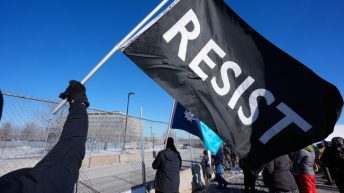
The latest street actions in Minneapolis keep drawing attention, but not for the right reasons. Protesters have embraced retail sit-ins, sidewalk drumming, and public theatrics that look impressive on social feeds yet accomplish almost nothing. What stands out is the gap between theatrical outrage and any coherent plan to change policy or improve public safety.
Some demonstrations have been gentle by design, favoring low-effort displays over real confrontation. Staging inside stores or parking lots feels like protest-lite: comfortable, warm, and safe. That approach may soothe participants, but it won’t move federal priorities or alter how trained agents operate in the field.
Still, the movement has pushed local citizens into confrontational roles they are neither trained nor equipped to handle. Many of the most vocal activists are well-meaning neighbors, teachers, and store clerks asked to challenge agents in tactical gear. The mismatch between amateur protest tactics and federal law enforcement capabilities raises concerns for public safety and common sense.
On-camera harassment and citizen-led ID checks have become common, showing a troubling inconsistency. These volunteers denounce detention and profiling while cornering strangers and demanding proof of identity. Such confrontations invite escalation and blur the line between civic oversight and vigilantism, a dangerous place for community volunteers to occupy.
Organizers have even set up ad hoc roadblocks and public obstructions in the name of resistance. Critics point out that behavior of this sort is only condemned when authorities do it, revealing a selective moral outrage. When average citizens force traffic stops or block access, they are playing at law enforcement without the training to keep situations safe or lawful.
Local media has leaned into dramatic narratives, encouraging students and families to participate and framing activists as grassroots heroes. That encouragement has resulted in school walkouts and young people taking on risky monitoring roles, often without a full appreciation of the stakes. Promoting juvenile involvement while depicting ICE as an omnipresent, violent threat sends mixed signals and normalizes confrontational behavior among minors.
Many of the public stunts aim to be bold but end up purely symbolic, lacking any operational impact. Case in point: a fleet of cyclists staged a rolling protest through town to obstruct agents. While visually striking on video, a line of bicyclists is not a tactic that stops trained federal personnel or shifts enforcement decisions. It reads more like a viral moment than a strategic move.
Another favored tactic has been noise demonstrations—drummers setting up rigs on sidewalks to “drown out” law enforcement. Some participants touted the idea as intimidating, but officials reported no withdrawal or disruption caused by percussive displays. The meme-friendly nature of these events keeps attention focused on spectacle instead of substance.
Then there are acts that verge into theatrical appropriation, where symbolism crosses into tone-deafness. Recreating historic wartime images or borrowing loaded iconography to attack federal policy risks trivializing serious history and undermines the moral clarity protesters claim to defend. Critics see this as stolen gravitas: dramatic for drama’s sake, not for strategic effect.
Other tactics have leaned on craftivism and boutique activism, with organizers turning to knitted hats and shop-front displays to signal resistance. Some outlets have celebrated artisan-driven campaigns as culturally resonant, but crafting scarves and headwear does not alter enforcement processes. These displays provide comfort to a like-minded crowd while having negligible influence on federal operations.
The cumulative effect of these choices is predictable: a lot of noise, little change. Symbolic actions can lift morale among sympathizers and create shareable content, yet they rarely compel elected officials or federal agencies to change course. The central problem remains the same—without policy-focused strategy or legal pressure, public theater is unlikely to produce measurable results.
Protesters who genuinely want to affect immigration enforcement should consider tactics that align with law, public safety, and political leverage. That starts with clear objectives, legal guidance, and coordination with experienced advocates who can press policymakers rather than simply stage another viral moment. Until that shift happens, the pageant will continue to be exactly that: a show, not a solution.
Everybody can earn 250$h+ 1k$ daily… You can earn from $6000-$13600 a month or even more if you work as a full time job…It’s easy, just follow instructions on this page, read it carefully from start to finish….. It’s a flexible job but a good earning opportunity. Go to this site home tab for more detail thank you .
Join This Right Now ____________ Www.EarnApp1.Com
Minnesota has officially been turned into a hell-hole heading toward becoming a evil place like Somalia!