
This piece examines the Boyle Heights cold-storage warehouse fire, Mayor Karen Bass’ environmental racism claim, the city’s firefighting resources and response, and viral reactions from public figures like Spencer Pratt, while preserving key official statements and quoted material.
The Lineage cold-storage warehouse blaze in Boyle Heights began on June 17 and burned for more than a week before Los Angeles Fire Department officials announced a knockdown. Multiple agencies from out of state had to assist the LAFD during the effort to bring the fire under control, and the event has stirred a heated debate over causes and accountability. Air quality monitoring agencies said they did not detect anything beyond normal combustible-material indicators after the blaze, while investigation details about the ignition source remain contested between contractors and the facility operator.
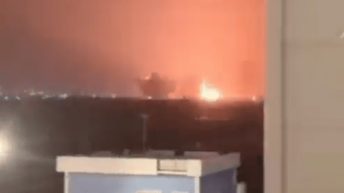
Boyle Heights Lineage cold-storage warehouse fire in Boyle Heights that burned for more than a week has been officially declared knocked down, according to the Los Angeles Fire Department.
The Lineage cold-storage warehouse fire in Boyle Heights that burned for more than a week has been officially declared knocked down, according to the Los Angeles Fire Department.
The inferno began shortly before 2:30 p.m. on June 17 at the facility located in the 1400 block of South Los Palos Street. A knockdown was declared just before 6 p.m. on June 24.
The fire is believed to have started while Altus Power contractors were conducting testing on a rooftop solar array, Lineage said to Eyewitness News in a statement. Altus Power responded, disputing that conclusion.
LAFD initially said it expected to extinguish the fire by midweek, and they’re aiming to return the building back over to its owner by Friday.
Air quality concerns persist for large swaths of Los Angeles, but the U.S. Environmental Protection Agency and South Coast Air Quality Management District have not detected anything beyond normal combustible material typical after a fire, a Los Angeles Fire Department spokesman said.
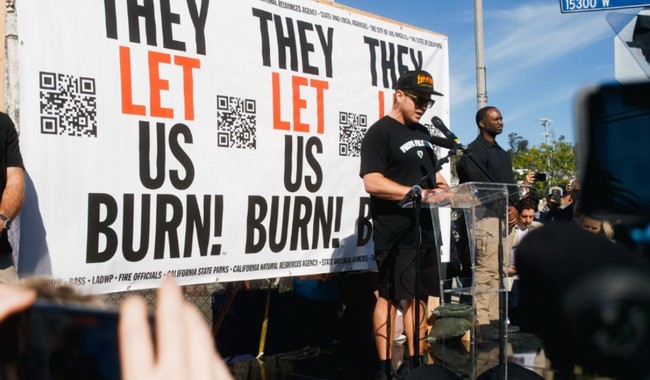
Mayor Karen Bass publicly characterized the incident as another example of environmental racism hitting a working-class, primarily Hispanic neighborhood. That framing immediately shifted the conversation from operational response and resource gaps to systemic blame. From a Republican standpoint, the problem reads differently: this fire highlights years of understaffing, budget cuts, and leadership failures at the municipal level rather than an organized malicious targeting of specific neighborhoods.
The political optics are stark. Critics point to underfunded emergency services and management decisions that left the city exposed when a major industrial fire broke out. Rather than owning responsibility for operational weaknesses and prioritizing firefighter readiness, the mayor’s statement leaned into identity-based explanations that many see as deflective. That rhetoric fuels division at a time when straightforward fixes—funding, staffing, and accountability—would better serve public safety.
Viral responses amplified the controversy. Public figures and local candidates weighed in, with some turning the mayor’s post into a political cudgel. One prominent critic captured that tone in a campaign spot that bluntly stated, “Karen Bass is Awful,” a phrase that spread on social platforms and in local discourse. The uproar pushed the mayor back into headlines and intensified scrutiny of her administration’s handling of prior disasters.
https://x.com/MayorOfLA/status/2070905636339192286
In response to the mayor’s tweet, local voices demanded action, not slogans. Community leaders called for a clear recovery plan, independent inspections, and firm answers about the chain of events that led to the fire. The line between advocacy for impacted neighborhoods and political maneuvering became harder to see as claims and counterclaims multiplied. Residents want tangible mitigation measures more than symbolic apologies or broad-brush accusations.
People who are familiar with Boyle Heights know this fire did not happen in a vacuum. Environmental hazards have too often fallen on communities like this one.
This moment must be a turning point. We will hold those responsible accountable, and we will fight to change the longstanding systemic failures that have left Boyle Heights disproportionately impacted by industrial incidents. I want to thank the people of Boyle Heights for continuing to make their voices heard. The recovery stage will be shaped by you.
Opponents argue that the mayor’s pledge to be a “turning point” rings hollow when budget and operational decisions predate the event and remain unaddressed. They note incidents with far greater loss in other parts of the city that did not prompt the same degree of immediate political response, suggesting inconsistent priorities. That inconsistency, critics contend, makes the mayor look politically motivated rather than focused on solving the root causes.
One of the most viral reactions came with a quote-tweet calling the mayor “a soulless goblin” and listing catastrophic losses from a prior fire, including “Toxic soil, 6,000 homes destroyed, 12 people burned alive, 400+ excess deaths from toxic smoke exposure…but that was in the Palisades, so who cares about us, right?” The blunt language reflected deep anger and a sense of double standards in how city leadership responds to disasters depending on location and demographics.
Toxic soil, 6,000 homes destroyed, 12 people burned alive, 400+ excess deaths from toxic smoke exposure…but that was in the Palisades, so who cares about us, right? No, THIS is a turning point. This one structure fire. What a soulless goblin Karen is.
The mayor’s prior travel during an emergency and questions about after-action reporting continue to haunt her publicly. That history feeds narratives about accountability and competence, which jump to the fore every time a new incident occurs. Republicans pressing the issue call for transparent investigations, restored emergency funding, and clear plans to prevent similar incidents rather than politicized explanations.
Local residents and watchdogs are asking for straightforward answers: who failed, what went wrong, and how will the city’s capability to contain industrial fires be fixed? They want actionable reforms that reinforce staffing, training, and equipment for first responders. Any lasting solution will require hard choices from city leadership and a willingness to prioritize public safety over messaging.
The debate over the Boyle Heights fire is now part emergency management, part political theater. What follows will test whether leadership chooses to fortify public safety with resources and oversight or double down on narratives that distract from operational shortcomings. Either way, the community expects tangible steps to protect lives and property when the next crisis hits.
Add comment