
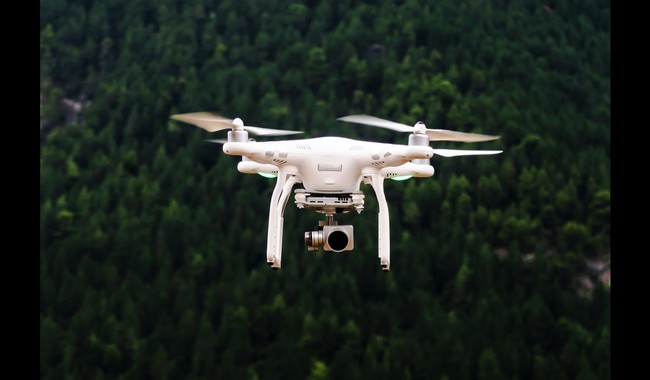
The FBI is investigating the March theft of 15 large agricultural drones in New Jersey, machines built to spray liquids across many acres that authorities fear could be repurposed to disperse chemical or biological agents in populated areas.
Fifteen Ceres Air C31 agricultural drones were taken from a logistics facility after a fake delivery pickup was executed, a theft the FBI now treats as highly sophisticated. The machines are not small hobby drones; they are industrial platforms designed to carry and spray significant volumes of liquid quickly and with accuracy. That capability is what turns a theft of farm equipment into a national security concern.
Someone stole 15 giant agricultural drones in New Jersey — and experts fear a “nightmare scenario” if they end up in the hands of terrorists.
The fleet of Ceres Air C31 drones, which are about the size of an ATV, were ripped off March 24 by a bogus delivery driver who duped shipping and logistics company CAC International in Harrison, according to The High Side substack.
A phony bill of lading was presented at the pick-up location for the drones which was bolstered by a fake confirmation email that CAC International took to be legitimate, the report stated.
The method used in the theft shows planning and tradecraft: false documentation and convincing digital confirmation allowed the thieves to walk out with a fleet of industrial sprayers. That level of deception has agents worried because it suggests an organized effort rather than opportunistic theft. When valuable and capable equipment disappears like this, the threat picture grows, especially if the end user intends harm.
The four-armed flyers can carry and spray up to 40 gallons of liquid chemicals, such as fertilizers and pesticides, and unleash the payload over a 15-acre span in just seven minutes.
The FBI is concerned the chemical-spraying drones could be used to disperse biological or chemical weapons, the report claimed.
“This was one of the most highly sophisticated thefts [the FBI] have seen in a long time, which is the main thing that has them so spooked,” a person who was briefed on the case told the outlet.
The machines reportedly can carry large liquid loads and cover extensive area in minutes, making them capable of delivering a contaminant rapidly over a wide footprint. Agricultural sprayers are optimized for even dispersal and low-altitude runs, which would also make them effective for targeted delivery of aerosolized substances. Those technical details are why law enforcement has elevated the investigation beyond a simple property crime.
Chemical agents like sarin are extreme examples of what dangerous actors might attempt, but the real risk includes improvised or readily synthesized compounds that can cause mass harm. Biological threats, meanwhile, pose a different and insidious danger: they can reproduce, spread, and adapt in ways chemical poisons do not. The potential to aerosolize pathogens or toxins from a low, precise platform is deeply concerning to public health and security professionals.
A retired FBI agent who followed the case warned that industrial sprayers are a far cry from consumer drones with cameras, noting the difference in payload and intent. “Even common chemicals, used improperly, can be a public safety danger. Throw in the internet recipes for biological and chemical weapons that anyone with a Tor browser has access to, and this is a potential nightmare scenario,” the retired agent said. He emphasized that the bureau’s alarm stems from both the equipment’s capability and the sophistication of how the theft was carried out.
Retired FBI agent Steve Lazarus speculated that the drones could be easily weaponized.
“Even common chemicals, used improperly, can be a public safety danger. Throw in the internet recipes for biological and chemical weapons that anyone with a Tor browser has access to, and this is a potential nightmare scenario,” Lazarus told The High Side.
“The bureau is freaked out for a good reason,” Lazarus said. “These aren’t hobby drones with cameras. They’re industrial sprayers designed to carry and disperse significant amounts of liquid quickly and with precision.”
Public safety planners must now contend with a scenario in which a small number of capable platforms could threaten large populations if misused. Cities and critical sites are particularly vulnerable to low-altitude delivery methods that spread contaminants over crowded areas. The portability and speed of modern unmanned systems complicate detection and response options.
Specifications reported for the Pegasus Robotics Ceres Air C31 suggest a high-capacity, low-and-slow design with multiple rotors and a focus on payload stability and coverage. That profile explains why these machines are valuable to farmers but also why they are worrisome when in the wrong hands. Whether the stolen units were modified or not, their core capabilities make them useful beyond agriculture.
Investigators continue to search for the missing drones and for leads about who ordered or orchestrated the pickup. Law enforcement agencies will likely track sales, shipping records, and any attempts to repurpose similar hardware. Meanwhile, officials and the public are being reminded that emerging technologies can create unexpected security gaps when criminal actors exploit logistics and trust.


Add comment