

The piece examines a recent fatal stabbing in Fairfax County tied to an undocumented immigrant, connects that case to a string of similar crimes, critiques local and state policy choices that limited cooperation with federal immigration officials, and argues that elected leaders who scaled back enforcement bear responsibility for preventable violence.
The stabbing in Bailey’s Crossroads has renewed anger and fear across Northern Virginia. A man was found dead inside a home with multiple stab wounds, and police arrested a suspect they say fled the scene after the attack. Local reporting identifies the accused as Anibal Armando Chavarria Muy, 38, and officials have charged him with second-degree murder and are holding him without bond.
This incident joins a grim roster of recent killings that have drawn national attention, including the bus stop murder of Stephanie Minter in Fredericksburg and other high-profile cases like those of Jocelyn Nungaray, Laken Riley, and Rachel Morin. Those cases share a common thread in which the alleged perpetrators were in the country without authorization, fueling debates about enforcement and public safety. Communities are left asking how these tragedies keep happening and why some local leaders appear unwilling to coordinate with federal immigration authorities.
The man accused of fatally stabbing a person in Bailey’s Crossroads in Fairfax County on Sunday is an illegal immigrant, law enforcement sources tell 7News Reporter Nick Minock.
Sources tell 7News that Anibal Armando Chavarria Muy, 38, is from Guatemala.
Muy faces a second-degree murder charge after he was arrested by Fairfax County police. He is being held without bond at the Fairfax County Adult Detention Center.
Police said Muy fatally stabbed a man who was found inside a home with multiple stab wounds to the upper body and was pronounced dead at the hospital. Muy left the scene before officers arrived. The victim and Muy knew each other, according to investigators.
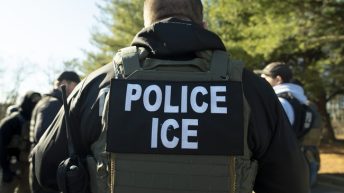
People who follow these stories see a recurring pattern: arrests, releases, and then another violent crime. That pattern is infuriating for victims’ families and for neighbors who expect public officials to keep them safe. When county leaders opt out of honoring federal detainers or decline to work with Immigration and Customs Enforcement on removals, critics argue that accountability vanishes and opportunity for prevention shrinks.
Fairfax County officials have been asked whether they will cooperate in this particular case, and the sheriff’s office has not offered a public response. Silence or noncooperation from local law enforcement on immigration matters adds to public concern, especially when the suspect is alleged to be undocumented. Residents rightly demand clear answers about how often detainers are ignored and whether those choices played any role in enabling future violence.
There is also frustration aimed at the prosecutorial level. In the widely discussed murder of Stephanie Minter, critics pointed to a lengthy criminal history for the accused and to repeated releases by local prosecutors. Reports note that the accused in that case had a removal order and a series of prior arrests yet was repeatedly released rather than detained or referred to federal immigration authorities for possible removal. That sequence raises hard questions about prosecutorial discretion and public safety priorities.
On Monday, 7News asked Fairfax County Sheriff Stacey Kincaid’s office if they are going to cooperate with federal immigration officials on this case. 7News has not received a response from Kincaid’s office. Kincaid chooses not to honor ICE detainers and warrants, even when it comes to violent illegal immigrants.
This is the second recent fatal stabbing involving an illegal immigrant in Fairfax County.
At the state level, decisions by Governor Abigail Spanberger to end certain cooperative agreements with ICE have intensified the debate. Opponents call those moves a de facto sanctuary stance, arguing they reduce tools available to remove dangerous offenders. Supporters frame the policies as protecting immigrant communities from overreach, but families of victims see a different result: more risk and fewer consequences.
The larger political lens matters here. From a Republican perspective, the central problem is predictable: when officials put ideology or politics ahead of law enforcement partnerships, dangerous people can remain on the street. Voters frustrated by this pattern want policies that restore predictable cooperation between local, state, and federal authorities to prevent repeat offenders from harming more people.
Fixing this begins with clear, enforceable policies and accountability for officials who refuse reasonable collaboration. Transparency about past detention practices, prosecution decisions, and any missed opportunities to remove known threats would give the public a factual basis for judgment. Without that kind of accountability, communities will continue to grieve and to demand change from those who hold power.

My income reached $17,620 last month, thanks to a flexible online job. It’s astonishing how easy it is to get started and see real results. I spend my mornings working and still have the whole day to relax. The extra money has made a big difference in my financial situation. It’s a fantastic way to boost your income without overworking yourself..
Visit This…… PayAtHome1.Com
What else can anyone expect there now that they have a wicked globalist bitch shill for their governor!
The Virginian Citizens have been sold out!