
The Department of Homeland Security released new details about the attacker who drove a vehicle into a Michigan synagogue and was killed at the scene, confirming his identity, immigration history, and a possible personal motive tied to events in Lebanon; the synagogue’s childcare center was spared and several first responders were treated, while political fallout centers on funding for DHS and partisan reactions to immigration and security policy.
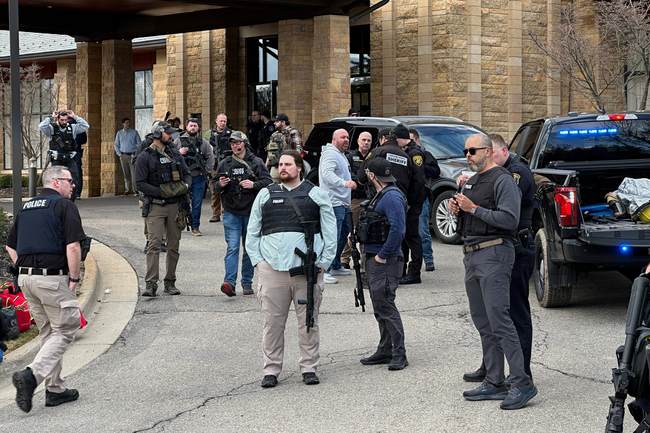
Authorities now say the man who rammed a vehicle into a synagogue in West Bloomfield Township died at the scene after his car caught fire or he was confronted by temple security. About 140 children were inside the synagogue childcare center when the attack happened and, thankfully, all of them, along with teachers and staff, were unharmed. One security staffer suffered an injury but is expected to recover, and eight first responders received treatment for minor injuries.
Initial reporting tied the vehicle used in the attack to a naturalized U.S. citizen from Lebanon who lived in Dearborn, Michigan, and that detail has been confirmed by DHS. Local accounts suggest the attacker had personal losses connected to the conflict in the Middle East, which may have fueled his actions here at home. The timing and context of that grievance add a political layer to what should first and foremost be treated as a violent act against a religious community.
DHS provided a name and immigration timeline for the attacker, information that clarifies how he entered and later became a U.S. citizen. The department’s statement reads exactly as released:
DHS confirms to @FoxNews that the Michigan synagogue attacker has been ID’d as Ayman Mohamad Ghazali, a Lebanese national who first entered the U.S. in 2011 on an IR1 immigrant visa as the spouse of a U.S. citizen. He was naturalized into a U.S. citizen in 2016 during the Obama administration.
That identification matters because it highlights the immigration pathway used and the fact that naturalization occurred years ago, during the prior administration. From a Republican perspective, this raises predictable questions about vetting, long-term integration, and whether existing processes adequately assess risks from foreign conflicts spilling over into domestic violence. Voters expect answers about how a person with claimed ties to violence abroad could carry out an attack here.
Local reporting added that a neighbor believed the attacker lived in Dearborn Heights and recently lost a family member in an Israeli strike in Lebanon, a detail officials repeated without confirming every aspect. Whether that personal tragedy directly prompted the attack remains under investigation, but personal grievances linked to international events are a familiar pattern in domestic terrorism cases. Law enforcement will need to trace communications, travel, and any radicalizing influences to build a full picture.
Security at the synagogue appears to have limited casualties, which is a credit to the people on site who engaged quickly. The presence of armed or trained temple security stopped further loss of life and likely prevented a far worse outcome. This incident will prompt renewed debate about security at religious institutions and the role of private or contracted security in protecting vulnerable communities.
Beyond the immediate facts of the attack, politics quickly entered the conversation as lawmakers argued over funding for homeland security agencies. Some Democrats have opposed continued funding measures for DHS, and critics say that withholding resources during a spate of attacks is reckless. Republicans are framing this as yet another example of Congress needing to prioritize border security, counterterrorism resources, and support for first responders and community protection.
Eyewitness accounts and official releases will continue to refine the timeline and motive, but the confirmed identity and immigration history already shape the narrative in Washington and state capitals. Investigators will be looking for any links to extremist groups, signs of planning, and whether the attacker acted alone or had contacts who encouraged or aided him. For communities that felt vulnerable after the strike, this incident reopens wounds and demands better protective measures.
The synagogue community and law enforcement are focused now on recovery, supporting those affected, and preventing copycat acts. As the probe continues, officials will balance transparency with operational needs, and political leaders will argue over policy responses. Expect hearings, requests for briefings, and renewed pressure for policy changes tied to immigration, vetting, and homeland security funding.


Add comment