
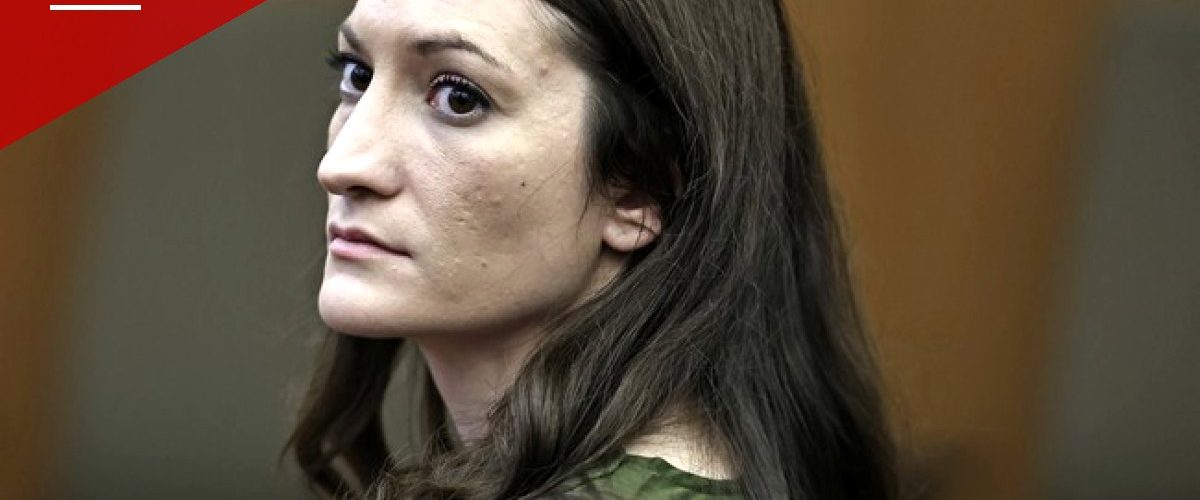
New details about the lone holdout juror in the Lindsay Clancy murder trial emerged this week when fellow juror Paula Devlin discussed the case’s demographics during an interview with Gayle King on CBS Mornings.
Clancy, a former labor and delivery nurse, was tried on charges of killing her three children. Eleven of the twelve jurors reportedly wanted to acquit her by reason of insanity, but one juror held out, resulting in a mistrial. Several jurors, including three women, one man, and the panel’s youngest female member, have since spoken publicly about the deliberations. The holdout juror himself has not given an interview.
During the CBS segment, King asked Devlin about the jury’s composition, including its age and racial makeup. Devlin said the panel consisted of nine women and three men, ranging in age from 22 to their 70s, many of whom had children. She said there was only one person of color on the jury. When King asked whether that person was a man or a woman, Devlin said it was a man. King then asked directly whether the holdout juror was a Black man, and Devlin confirmed that he was.
“Wow, I have to sit with that a moment,” King said in response.
The disclosure has drawn criticism from people concerned about the holdout juror’s safety and privacy. Because deliberations in the case had already become a flashpoint for public anger over the mistrial, there have been warnings that identifying details about the holdout juror could expose him to harassment or worse. None of the jurors who have spoken publicly, including Devlin, were required to disclose information about other panel members, and legal observers have noted that such information is typically left to individual jurors to share or withhold about themselves.
The revelation spread quickly on social media, where commentators offered starkly different interpretations of what it meant, with some arguing it undercut assumptions others had made about who the holdout juror was and why he held his position. The case remains unresolved pending further legal proceedings, and it is unclear whether prosecutors will seek a retrial.
Add comment