
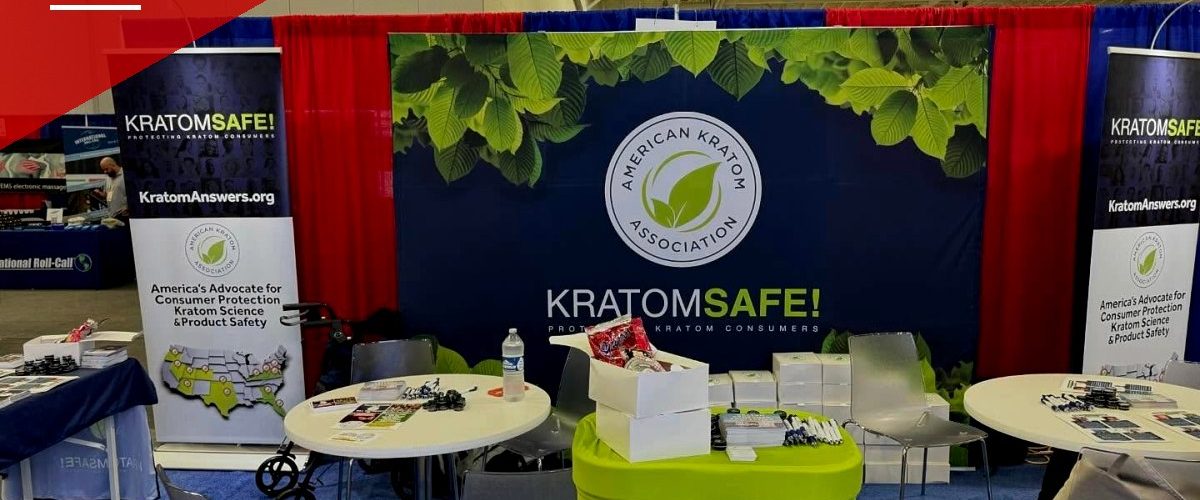
The kratom industry has spent millions of dollars on political action committees, candidate campaigns and lobbyists to fend off blanket bans on kratom-derived supplements, while steering lawmakers toward targeting synthetic versions of the product instead, according to records reviewed by the New York Post.
The American Kratom Association has spent more than $1 million on lobbyists over the past decade, including $443,000 this year alone, according to OpenSecrets.com. Its top lobbyists include Mac Haddow, a former Reagan administration official and longtime Capitol Hill operator, and David Carlucci, a former Democratic state senator from Rockland County.
Botanic Tonics, an Oklahoma-based supplement company founded by Jerry W. Ross, has reportedly run a multimillion-dollar lobbying campaign that secured private meetings with senior federal officials to promote natural kratom leaf — harvested from a tropical tree native to Southeast Asia — as distinct from synthetic alternatives.
That effort included $1.1 million funneled into political action committees affiliated with Health Secretary Robert F. Kennedy, and $443,000 to the Republican National Committee, which reportedly helped secure a private meeting between Ross and Vice President JD Vance to discuss cracking down on high-potency 7-hydroxymitragynine (7-OH) and other synthetic kratom products while shielding natural kratom supplements, according to a New York Times report.
Allies of Ross also formed a company called “Stop Gas Station Heroin” to position natural kratom as the safer alternative. That entity paid at least $750,000 to Checkmate Government Relations, a lobbying firm owned by Kennedy ally Ches McDowell, records show.
New York’s Pending Ban
The lobbying campaign’s influence reached Albany, where state Assemblyman Phil Steck, an upstate Democrat, acknowledged the industry’s push was “effective” in shaping New York’s approach.
Steck sponsored legislation banning synthetic kratom statewide, which the Legislature passed in June. The bill is still awaiting Gov. Kathy Hochul’s signature.
Steck said he personally would have gone further and banned natural, or “distilled,” kratom products as well, calling their side effects “dangerous” even though he said the health risks are less severe than those tied to synthetic versions. He said legislative leaders and Hochul’s office opted against that broader ban.
Industry Defends Its Spending
Haddow, who also serves as senior fellow on public policy for the American Kratom Association, defended the spending on lobbying and campaign contributions as necessary “to get a seat at the table” and ensure “decision makers are being fair,” noting that the synthetic kratom industry engages in similar lobbying.
“It’s not a perfect system … but in order to have access to these [government] offices we have to retain lobbyists,” Haddow said.
Haddow also argued natural kratom carries significant health benefits, saying the roughly 24 million Americans who use these products do so mainly to boost energy, combat anxiety and depression, manage chronic pain, and support recovery from opioid addiction.
Federal Action
On Friday, the U.S. Department of Justice announced new steps to crack down on synthetic kratom, based on recommendations from the Department of Health and Human Services. HHS declined to comment on the industry’s lobbying efforts, but Kennedy touted the new guidelines in a statement: “We are drawing a clear line between natural kratom and dangerous, enhanced opioid products.”


Add comment