
This piece covers the return of a Christopher Columbus statue to the White House grounds ahead of America’s 250th anniversary, how the sculpture was reconstructed using fragments from a toppled monument, reactions from the left and right, and the broader cultural fight over historical memory and public monuments.
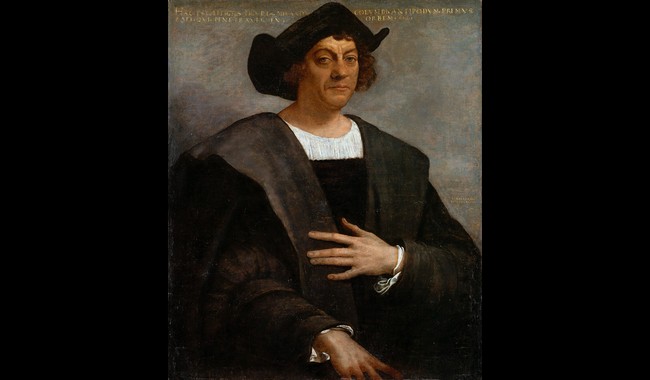
A new Christopher Columbus statue was placed on the White House grounds recently as part of the America 250 lead-up, built in part from fragments of a statue that rioters pulled down in 2020. The move is a symbolic reclamation: what was vandalized in a chaotic moment has been reassembled and given a secure, prominent home. Placing the statue near the executive complex makes a statement about which version of history the current administration intends to protect and celebrate. This is about heritage, civic pride, and a pushback against the destructive impulses of the last decade.
The recreated figure is not just a facsimile; artists incorporated shards recovered from the harbor where the Baltimore statue was dumped after being toppled. That physical continuity matters to supporters who see the project as restoring dignity to an icon that represents exploration and the era that led to the founding of the United States. It also signals a refusal to accept mob-driven erasure as a civic solution. For those who watched statues fall during the summer of 2020, the recovery and reuse of those fragments is a powerful response.
A new statue of Christopher Columbus went up on the White House grounds Sunday that was built using pieces from a monument to the Italian explorer that protesters destroyed six years ago.
The 13-foot, one-ton replica of a Columbus statue toppled in Baltimore in 2020 – then dumped into the city’s inner harbor – was commissioned by the Conference of Presidents of Major Italian American Organizations and is part of the White House’s celebration of America’s 250th anniversary.
The statue has been placed outside the Eisenhower Executive Office Building.
Artists retrieved shards of marble belonging to the wrecked statue from the harbor that were used in the recreation – and reached out to the White House after officials in Baltimore refused to put the new monument up, according to the organization.
There are predictable reactions. On one side, people who favor protecting traditional monuments cheer the restoration as common sense and a win for historical continuity. On the other side, critics will argue the choice glosses over complexities in Columbus’s legacy and that public space should reflect contemporary values. The current administration clearly chose the former approach: prioritize national narratives that celebrate exploration and the founding era rather than apologize for them.
Commentary has linked the installation to broader political theater, framing the statue as a cultural litmus test for where the country stands. That framing is not accidental; monuments act as shorthand for political alignment and identity. Installing Columbus at the White House sends a blunt message about national pride, the limits of cancel culture, and the desire to defend a particular reading of American history. For many conservatives, it feels like restoring common sense to civic memory.
Among the many things the woke left has been notorious for doing over the last decade or so is either pushing for historical statues to be removed or taking it upon themselves to vandalize and/or destroy them in the name of “social justice.”
It first started with Confederacy-era monuments, but as predicted at the time by critics, the activist left did not stop there. Next, they moved on to statues of our Founding Fathers and other consequential American figures who helped lay the foundation for and shape the country we know and love today.
They also took aim at legendary explorer and discoverer Christopher Columbus, with some statues of Columbus either being beheaded or ripped down during the 2020 George Floyd riots. Antifa/Black Lives Matter-led agitators even went so far as to tear down the Columbus statue in Baltimore and dump it into the city’s Inner Harbor on Independence Day that same year.
The politics are obvious: a statue on the White House grounds is a political act, whether intended or not. It reflects an administration that prefers national pride over public contrition and that rejects the idea that historical artifacts should be erased because they make modern critics uncomfortable. That stance will please a base that wants to see institutions defend traditional narratives, monuments, and the symbols tied to national identity. It will also provoke opponents who see the move as tone-deaf.
What matters now is how this installation shapes the America 250 conversation. Bringing a restored Columbus statue to the executive complex foregrounds a confident, unapologetic celebration of the nation’s origins. It also forces the debate out of municipal back-and-forths and into the center of national attention, where questions about history, memory, and public space will continue to play out. The physical presence of the statue is only the start; the cultural fight over what it represents will continue.


Great Accomplishment and may God bless all those involved in restoring this monument to its deserved place of dignity as part of our American History and Culture back when the United States of America was in it’s budding days all those years ago!