
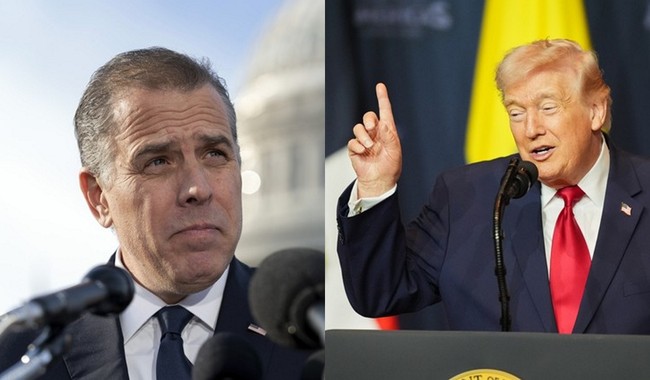
Hunter Biden publicly lectured Donald Trump about profiting from the presidency and instantly became a target of ridicule, with critics pointing out his own history of lucrative ties, questionable conduct, and the long-running laptop controversy that raised serious questions about foreign influence and financial arrangements tied to the Biden family.
— Buzz Patterson (@BuzzPatterson) Several users on X reacted fast and sharp, refusing to let Hunter’s criticism go unanswered. The responses ranged from sarcastic jabs to pointed reminders about his past income sources and advisory roles tied to his family name. The tone online was unforgiving and centered on accountability rather than sympathy.
“What happened to your painting sales and energy company advisor roles, Sparky?” one person . That blunt question echoed across replies, highlighting the disconnect between the moralizing message and Hunter’s personal financial history. Many commenters framed the exchange as proof that the messenger mattered as much as the message in public debates about corruption and influence.
Another fired : “It’s not Trump’s fault you chose cocaine [and] hookers instead of investing [and] building. Cry harder.” That reply underlined a common line of attack: Hunter’s personal failings are tied to the broader argument about whether his family benefited from public office. Critics used harsh language to emphasize a belief that privilege and poor choices, not systemic problems, explain his situation.
“Trump’s kids actually worked for their money,” a follower out. Supporters of that view contrasted the Biden family with other political families, insisting on a narrative where individual effort—not nepotism—earns success. Those comparisons drove home a Republican talking point about fairness, integrity, and the value of earning one’s keep.
Hunter’s own statements tried to downplay allegations about his conduct while invoking political theater about who truly owns America. He claimed federal probes and congressional hearings turned up nothing and framed his painting income as modest public-facing work. That framing didn’t sit well with skeptics who point to a much larger set of documents and questions.
“They searched a laptop for six years. Federal prosecutors. Grand juries. Subpoena power. Congressional hearings. They found nothing,” he claimed. “I made about $200k a year selling paintings when my Dad was President, and they made my paintings part of an impeachment inquiry.” Those quotes are exact and show how Hunter positioned himself as a victim of political overreach rather than the subject of legitimate inquiry.
“For six years, they’ve asked Where’s Hunter? What about the laptop? Wrong questions. The right one is 250 years old. Does America belong to a family? They’ve given their answer. Long live the King.” His rhetoric reached for grand themes about power and legacy, but critics said it ignored the concrete allegations tied to his business deals and finances. That gap between dramatic statements and documented evidence fueled more skepticism.
They found nothing on your laptop? To quote Jim Carrey’s The Grinch: The insolence! The audacity! The unmitigated gall! That line captured the reaction of many who say the laptop materials directly contradict Hunter’s narrative. The visceral mockery was as much about perceived hypocrisy as it was about the substance of the allegations.
https://x.com/alx/status/1609240081813962754
Documents reportedly recovered from Hunter Biden’s laptop include emails, contracts, and photos that critics say map a trail of foreign influence-peddling, with references to deals involving Burisma and Chinese entities like CEFC. Those materials have been cited repeatedly in conservative reporting as evidence that family connections produced measurable financial gain tied to public office. Republicans argue this raises real concerns about national security and the integrity of governance.
“10% for the big guy” ring a bell? That phrase has become shorthand in conservative circles for alleged arrangements where family members benefited from access to a powerful official. Its mention by critics serves to remind readers that the controversy is not just personal scandal but potentially a pattern of transactional relationships linked to policy influence.
The laptop materials also describe lavish spending on drugs, escorts, and luxury goods that opponents say were bankrolled by foreign payments and murky financial transfers. Messages and records cited by critics suggest arrangements where family members and associates used shell companies and other means to move money. That alleged network of transactions is central to Republican arguments that influence was traded for access.
Online commentators and critics pointed to bestselling books and investigative pieces that compile these allegations, using them to paint a consistent picture of impropriety and entitlement. Those sources, widely shared among conservatives, bolster a narrative that accountability has been uneven when it comes to powerful political families. The argument is simple: if you demand transparency from rivals, you must accept it for your own side too.
Critics also argued Hunter’s public attacks felt disconnected from the reality of the evidence and the very real consequences his behavior has had on his reputation and family. They used blunt language to make a point about responsibility, stating that moralizing from someone with a messy past lacks credibility. In short, Hunter’s lecture on presidential profiteering became an opening for broader questions about influence, ethics, and who benefits at the top.

Add comment