

The House Democrat exchange over DHS funding exposed a blunt admission about priorities, revealing a party willing to block homeland security funding to shield illegal immigrants from deportation, and the fallout is fueling conservative outrage as operational headaches pile up at airports and TSA staff go unpaid.
Democrats are facing a crisis of credibility as the DHS funding impasse stretches into its sixth week, with serious consequences for border security and day-to-day operations. Republican critics argue the refusal to fund the department is not about policy nuance but about protecting illegal immigrants from removal. This standoff has tangible effects: longer airport lines, unpaid frontline workers, and higher risks at a time of heightened threats. Voters watching notice the contrast between rhetoric about safety and the actions being taken in Congress.
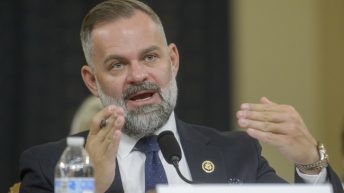
In a recent interview, Rep Jason Crow made remarks that many conservatives view as a candid admission of Democratic priorities, and that moment has been replayed widely. The exchange with a Fox News host pushed Crow into saying what critics say Democrats really want: to prevent deportations even if it means letting DHS operations falter. That candidness has hardened opinions among Republican voters who see it as proof of misplaced priorities. For those worried about law and order, the moment felt like Democrats showing their hand.
When the host pointed out that Immigration and Customs Enforcement is responsible for deportations, Crow responded by claiming American citizens were being deported, a claim that Republicans have called misleading. That back-and-forth crystallized the political fight: one side framing funding as essential to national security, the other framing cuts as humane or strategic. But the public is watching which side chooses security and which side chooses to block an agency during a crisis. The optics are bad for Democrats who insist their motives are different.
Republicans are framing the situation as a test of priorities ahead of the next election, arguing that protecting the country should come first. The DHS shortfall has prompted real-world impacts that voters feel in airports and on the border, and conservatives point to those disruptions as proof that defunding vital services for political ends is irresponsible. That message is resonating with constituents who expect leaders to put homeland security ahead of political theater. The GOP narrative is simple: fund the department, secure the borders, and enforce the law.
Democratic leaders, meanwhile, insist their stance is driven by different goals, but critics argue those goals come at the expense of public safety. When lawmakers prioritize immigration policy or relief for certain populations over DHS operations, it raises the question of who is getting protected when the department cannot fully function. For Republicans, that question is not hypothetical; it is about the safety and livelihoods of everyday Americans. This debate is not just about budgets but about values and whose safety is being prioritized.
The episode also reignited debates over messaging and transparency in Washington, with some Democrats accused of being less than candid about the trade-offs their strategies entail. Republicans say the public deserves straight talk about consequences, not talking points that obscure practical outcomes. That insistence on clarity is part of the GOP strategy going into upcoming races, where themes of law, order, and national security are central. Voters will judge which party’s position aligns with their sense of safety and common sense.
In the clip, posted on Monday night by the conservative influencer account End Wokeness, MSNBC host Chris Hayes asked Murphy in 2024 about negotiations between Democrats and Republicans happening at the time about a border security bill. Hayes pressed Murphy on why Democrats were pushing to get funding for Ukraine instead of pushing for a path to citizenship for illegal immigrants, as the party had done in the past.
“Well, I mean, Chris, that’s been a failed play for 20 years,” Murphy replied. “So you are right that that has been the Democratic strategy for 30 years, maybe, and it has failed to deliver for the people we care about most, the undocumented Americans that are in this country.”
That clip, and the Crow exchange, are being used by Republicans to make a broader point about trust and priorities in Washington. Conservatives argue that when DHS is held hostage to political goals, national security and everyday Americans pay the price. The message is being sharpened for voters who want clear enforcement of immigration laws and reliable protection of the homeland. Lawmakers on the right are using these moments to press for immediate fixes and accountability.
As this fight continues, the political stakes are growing and the public impact is hard to ignore, especially for travelers and border communities feeling the strain. Republicans will continue to press the argument that funding DHS is nonpartisan common sense and that blocking it for political leverage is irresponsible. The coming weeks will show whether elected leaders put country over party when consequences are this visible and immediate.


Add comment