
Border Patrol Commander Gregory Bovino confronted Evanston mayor Daniel Bliss during an immigration operation, sparking a public clash over enforcement, protester interference, and competing accounts of what happened as federal agents carried out detentions in the city.
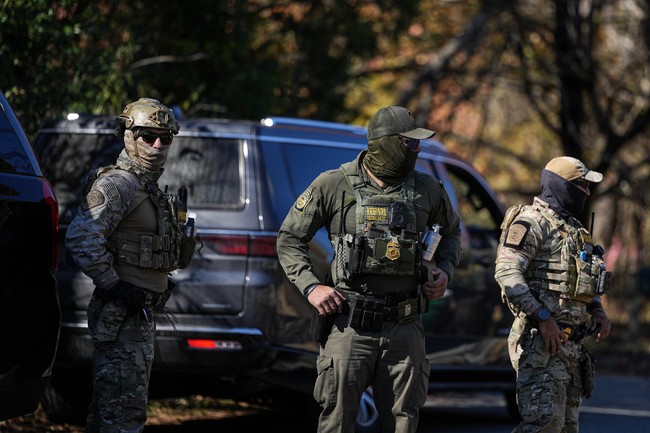
Local leaders and activists gathered around an 11-vehicle Border Patrol presence after multiple detentions, turning a routine enforcement action into a tense public scene. The operation prompted protests and drew the mayor into a face-to-face exchange with the commander leading the federal effort. That encounter quickly became a flashpoint, with sharp words and competing narratives from both sides.
The mayor publicly criticized the operation, calling out “abuse,” “racism,” and “violence” in the community, and he urged the federal agents to leave. Commander Bovino responded directly, saying, “Yes, that’s why we’re here in your community.” His reply framed the agency’s presence as a response to problems the city had not adequately addressed.
Protesters attempted to block federal vehicles and disrupt the movement of the convoy while law enforcement tried to maintain order and protect the operation. Local police from Evanston and the Chicago Police Department provided crowd control and assisted in getting federal vehicles away safely, according to the Border Patrol commander. Despite the disruptions, officials said the operation continued and federal agents completed their tasks.
The exchange quickly spilled onto social media, where the mayor amplified his criticisms and cheered on those obstructing the operation. He wrote that the only “violent mob” in town was the commander and his “masked thugs,” accusing them of terrorizing people and lying about the city. That post painted the federal presence as an outside provocation rather than a law enforcement action aimed at making the community safer.
Bovino publicly pushed back on the mayor’s characterization, calling some comments “divisive” and insisting the Border Patrol had successfully completed their operation. He described the day as an “excellent day in Evanston,” framing the outcome in terms of public safety and mission success. The commander emphasized cooperation with local police to control the crowd and move federal vehicles, underlining that the agency was able to accomplish its objectives despite interference.
The confrontation is part of a larger pattern of contentious interactions when federal immigration teams operate in communities with vocal local opposition. Law enforcement agencies say their mandate is to enforce immigration laws and protect public safety, while critics argue that these actions can be heavy-handed or harmful to vulnerable residents. Those tensions frequently boil over into confrontations when local leaders and activists try to physically intervene.
Observers noted that officials from other incidents have disputed claims of mistreatment during operations, sometimes providing counter-evidence or alternate accounts. In past encounters, federal departments have pushed back against complaints that agents used unnecessary force, attributing alleged injuries to crowd interference or other factors. Those broader dynamics shaped how both sides presented the Evanston interaction to the public and to supporters online.
The mayor’s bid for higher office adds another layer to the dispute, since his public statements now carry campaign implications and can mobilize sympathetic voters. Critics argue that confronting federal agents in the street and encouraging protesters to block operations is irresponsible for an elected official. Supporters of the mayor see his stance as defending constituents and standing up to what they call federal overreach.
On the ground, the scene involved multiple vehicles, detained individuals, and a visible federal presence that drew attention from media and residents alike. The Border Patrol’s description of the event emphasized operational success and cooperation from local police, while the mayor focused on perceived community harms and strong rhetoric about “racism” and “violence.” Those conflicting framings shaped how people interpreted the day’s events and how they reacted afterward.
The back-and-forth highlights the political and practical challenges that come when federal immigration enforcement meets local resistance. Agencies are tasked with executing the law, but operations in populated neighborhoods will inevitably raise questions about tactics, transparency, and community impact. For public officials, the incident also raises questions about the responsibilities of leadership when confrontations with federal agents become public spectacles.
Whatever the full facts on the ground, the clash in Evanston will likely be replayed in political debates and campaign messaging, as each side uses the incident to bolster its narrative. The episode underscores how enforcement actions can quickly become political flashpoints and how public statements from leaders shape public perception. That interplay between enforcement, protest, and politics will remain a key part of discussions around similar operations going forward.

Add comment