
The Jeffrey Epstein files are back in the spotlight after a mandated release of documents, and former President Bill Clinton’s name is front and center amid photos and new details. This piece walks through the release, Clinton’s response, the political context around timing and responsibility, and why questions about past relationships matter now that subpoenas and hearings are in motion.
The Epstein story refuses to die because it touches on victims who never got justice and on powerful people who may have been involved. Reports say the investigation identified more than 1,200 victims and their families, a staggering figure that keeps the spotlight on how the case was handled and who knew what. That scale alone makes any attempt to downplay the files politically risky for anyone connected to Epstein.
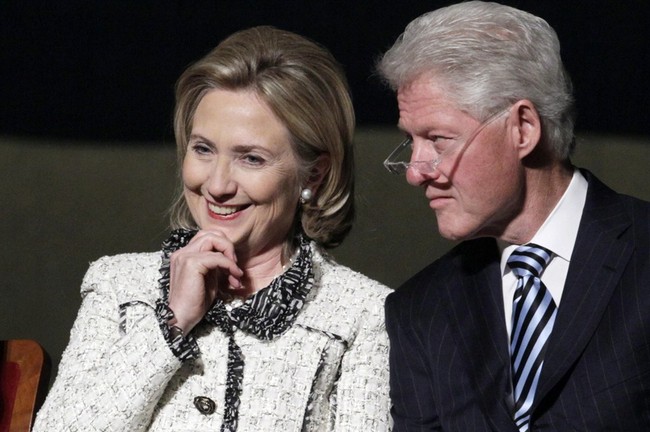
The recent document dump included photos that quickly circulated online, and some images featured high-profile figures at parties, dinners, and private gatherings. Among those pictured was Bill Clinton in various social settings with women whose identities are not fully clear in the images. The viral spread of those photos prompted a sharp statement from Clinton’s camp that attempted to shift blame for the timing and handling of the release.
‘The White House hasn’t been hiding these files for months only to dump them late on a Friday to protect Bill Clinton,’ the spokesperson said.
‘This is about shielding themselves from what comes next, or from what they’ll try and hide forever.’
That defense reads thin for two reasons. First, the Biden administration held many of these materials for years without releasing them. Second, these documents were released because of a law that set a mandatory deadline, not because of a spontaneous decision to embarrass anyone on a Friday. The timing was driven by statute, plain and simple.
Clinton’s response continued with an attempt to place himself in a different category from people who maintained relationships with Epstein after allegations surfaced. His spokesperson insisted Clinton had cut ties before the full extent of Epstein’s crimes was public. Those are the talking points: distance oneself and lean on the idea that mere association is not evidence of wrongdoing.
So they can release as many grainy 20-plus-year-old photos as they want, but this isn’t about Bill Clinton. Never has, never will be.
The “it’s not about me” line is what defenders often use when old photographs surface, but politics isn’t done by slogan. Opponents point out that years of documented interactions and flights create a narrative that invites scrutiny, even if no direct criminal charge follows from a single photo. It’s the pattern and questions about who else knew what that matter now.
There are also important contrasts raised by critics who want equal treatment. They note that other public figures cut ties with Epstein earlier or publicly distanced themselves after his indictment. Those details are tossed into the debate because they shape perceptions of motive, caution, and common sense in dealing with a man who was accused of heinous crimes.
Clinton’s camp tried one more line of defense by citing a recent media remark meant to undercut the idea that the files are a smoking gun. They framed the situation as two groups: those who knew nothing and severed contact, and those who continued relationships even after allegations surfaced. It’s a neat division that doesn’t fully answer why public testimony before Congress would be refused if the claim of innocence is genuine.
‘Even Susie Wiles said Donald Trump was wrong about Bill Clinton,’ the spokesperson added, referencing Wiles’ recent interview with Vanity Fair in which she admitted ‘Trump was wrong’ about there being incriminating evidence against the former Democratic president in the files.
‘There are two types of people here. The first group knew nothing and cut Epstein off before his crimes came to light. The second group continued relationships with him after. We’re in the first,’ Clinton’s spokesperson said.
‘No amount of stalling by people in the second group will change that. Everyone, especially MAGA, expects answers, not scapegoats.’
That block of quoted text is verbatim and shows the defensive posture being taken. It also underscores a political dynamic: congressional investigations, subpoenas, and public hearings are now the tools for getting answers. If someone insists they have nothing to hide, refusing to answer under subpoena fuels suspicion more than it quells it.
There is a fair point tucked into the noise: a photograph alone does not equal criminal guilt. Public figures meet a lot of people, and context matters when judging past interactions. Still, repeated requests for voluntary testimony from the House Oversight Committee have gone unanswered, which is why calls for appearances before Congress keep coming from lawmakers.
For now, the next scheduled date for witnesses and potential testimony has been moved, giving more time for political theater or real cooperation. Whether the Clintons appear to answer questions or continue to issue statements that many see as evasive will determine how this chapter plays out in public view. The victims and the pursuit of facts deserve clarity more than political spin.



Add comment