
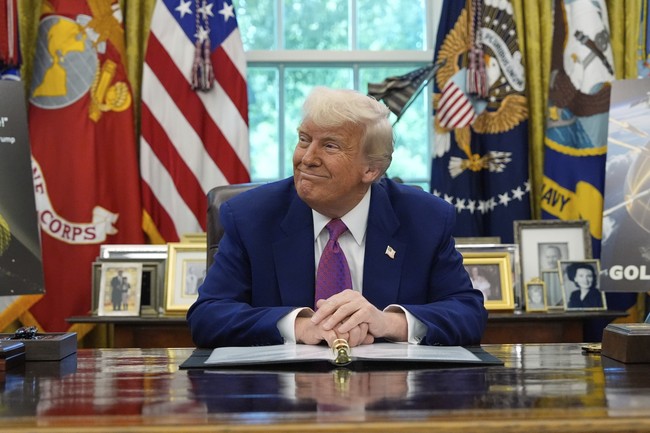
The White House launched a cheeky “MySafeSpace” page that mocks Democratic leaders, and this article walks through what the page contains, who it targets, why the trolling matters politically, the serious stakes behind the current shutdown fight, and how humor and pressure work together in conservative strategy.
There is a clear place for seriousness in government, and conservatives have been the ones arguing for firmness on policy and fiscal responsibility. That said, politics also plays out in messaging and theater, and the White House has leaned into that with a mocking MySafeSpace page aimed at House and Senate Democrats. The site intentionally lampoons leaders like Rep. Hakeem Jeffries and Senator Chuck Schumer, using comedy imagery and exaggerated descriptions to make a political point.
The page features a conspicuous set of visuals and labels designed to undercut Democratic credibility, including playful costume imagery on congressional photos and sections labeled Pics, Videos, and Voting Record. A video portion highlights lighthearted moments of President Trump and the First Lady handing out Halloween candy, juxtaposed against the claim that Democrats blocked votes to reopen the government. That contrast is meant to paint Democrats as unserious and politically motivated above all else.
Hey we’re Democrats in the House and Senate. We love DEI, transgender for everyone, and handing out taxpayer benefits to illegal immigrants. We couldn’t care less if our men and women in uniform get paid or if our neighborhoods are safe – we just love playing politic with people’s livelihoods!
The “About Me” block quoted above uses hyperbole to drive home a conservative critique: Democrats prioritize identity politics and benefits for noncitizens while neglecting national security and public safety. Whether you agree with the tone or not, this is an intentional communication choice meant to rally the base and unsettle opponents. That is the point of political theater — to frame opponents as extreme and unwilling to compromise on core responsibilities.
Anyone who identifies as a radical leftist. Transnational gangs, illegal immigrants.
The “Heroes” section doubles down on the caricature, listing radicalized positions as if they were virtues. From a Republican perspective, this kind of satire serves two roles: it exposes what conservatives see as the Democrats’ misplaced priorities, and it punctures the solemnity of opponents who present themselves as caretakers of governance. Mockery in politics is not new, but using an official platform for it signals a new level of aggressive messaging.
Beyond the jokes, there’s a serious underlying dispute — a government shutdown that affects federal workers, services, and national posture. Conservatives argue that standing firm is necessary to force concessions on policy and spending that would otherwise be conceded under pressure. This shutdown fight is framed as a moment comparable to a defensive stand where principles and leverage matter more than immediate appeasement.
That is why the rhetorical and the strategic mix matters. While the White House site uses humor to ridicule Democratic tactics, Senate Republicans are being urged to remain resolute on core demands. The idea is that pressure, both through policy stances and through public messaging, will eventually compel Democrats to compromise or concede on key items. Humor becomes a tool to maintain momentum and morale on the conservative side.
Critics will call the use of an official web page inappropriate, and some will complain about tone. From a Republican viewpoint, those complaints miss the tactical aim: unnerve an opponent who has traded governability for political gains, and keep public attention on the stakes of the shutdown. When your adversary prefers theatrics and identity-based politics over funding priorities and troop pay, responding with both firm policy positions and pointed mockery is a coherent choice.
Political messaging always balances ridicule and substance. The MySafeSpace page is pure ridicule; the shutdown fight is substantive. Conservatives see value in deploying both at once — use satire to amplify perceived Democratic extremism, and use legislative resolve to pursue conservative policy goals. That combination is intended not only to win debates but to shape public perception ahead of future elections.
Whether one approves of style or not, the tactic is consistent with a long tradition of partisan messaging that blends humor with argument. The hope among Republican strategists is that lampooning opponents will make their positions look less tenable while the real leverage of parliamentary procedure and voting records forces a concrete policy outcome. The Trump White House chose to weaponize both narrative and governance in this instance, and the political fight will play out across both arenas.



ꜱᴜᴘᴇʀ-ꜰᴀꜱᴛ ᴍᴏɴᴇʏ-ᴍᴀᴋɪɴɢ ᴏɴʟɪɴᴇ ᴊᴏʙ ᴛʜᴀᴛ ꜰʟᴏᴏᴅꜱ ʏᴏᴜʀ ʙᴀɴᴋ ᴀᴄᴄᴏᴜɴᴛ ᴡɪᴛʜ ᴄᴀꜱʜ ᴇᴠᴇʀʏ ᴡᴇᴇᴋ. ʙʏ ᴡᴏʀᴋɪɴɢ ᴊᴜꜱᴛ 2 ʜᴏᴜʀꜱ ᴀ ᴅᴀʏ ᴀꜰᴛᴇʀ ᴄᴏʟʟᴇɢᴇ, ɪ ᴍᴀᴅᴇ $17,529 ʟᴀꜱᴛ ᴍᴏɴᴛʜ. ɪ ʜᴀᴅ ᴢᴇʀᴏ ᴇxᴘᴇʀɪᴇɴᴄᴇ ᴡʜᴇɴ ɪ ꜱᴛᴀʀᴛᴇᴅ, ᴀɴᴅ ɪɴ ᴍʏ ꜰɪʀꜱᴛ ᴍᴏɴᴛʜ, ɪ ᴇᴀꜱɪʟʏ ᴇᴀʀɴᴇᴅ $11,854. ᴛʜɪꜱ ᴊᴏʙ ɪꜱ ɪɴᴄʀᴇᴅɪʙʟʏ ᴇᴀꜱʏ ᴛᴏ ᴅᴏ, ᴀɴᴅ ᴛʜᴇ ʀᴇɢᴜʟᴀʀ ɪɴᴄᴏᴍᴇ ɪꜱ ꜰᴀɴᴛᴀꜱᴛɪᴄ. ᴡᴀɴᴛ ᴛᴏ ᴊᴏɪɴ ʀɪɢʜᴛ ɴᴏᴡ? ᴊᴜꜱᴛ ᴠɪꜱɪᴛ ᴛʜɪꜱ ᴡᴇʙᴘᴀɢᴇ ꜰᴏʀ ᴍᴏʀᴇ ɪɴꜰᴏ…
𝐇𝐞𝐫𝐞 𝐢𝐬 𝐈 𝐬𝐭𝐚𝐫𝐭𝐞𝐝 ____________➤➤ 𝐖𝐰𝐰.𝐄𝐚𝐫𝐧𝐀𝐩𝐩𝟏.𝐂𝐨𝐦