
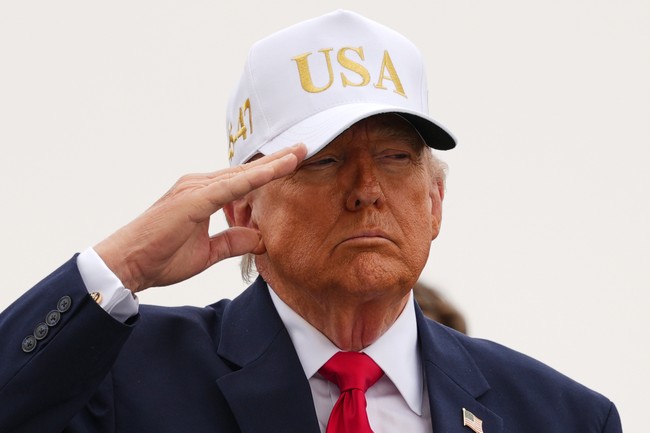
President Trump issued a blunt, profanity-laced warning to Iran on Easter Sunday, telling the regime they have hours to reopen the Strait of Hormuz or face catastrophic retaliation, and he underscored that message with sarcasm and a show of force reported across the weekend.
Trump’s message was unmistakable and loud, delivered in his usual direct style and aimed squarely at Tehran’s leadership. He framed the ultimatum as a deadline with severe consequences if ignored, signaling a more aggressive posture than we’ve seen in some recent statements.
He mixed rhetorical flourish with raw anger, using colorful language to make a point about seriousness and urgency. The tone was designed to unsettle the regime and make clear that talk without action won’t be tolerated.
Critics immediately began to react, and there will be plenty of commentary about timing and tone. Still, from a Republican perspective, the priority is blunt deterrence: making adversaries understand that threats mean consequences and that American resolve is real.
“Tuesday will be Power Plant Day, and Bridge Day, all wrapped up in one, in Iran,” the President warned. “There will be nothing like it!!!”
“Open the F***in’ Strait, you crazy bastards, or you’ll be living in Hell – JUST WATCH!” he added.
“Praise be to Allah.”
The escalation did not occur in isolation. In the days before, the President laid out progress in the military campaign and made clear the window for diplomacy is closing fast. He showcased capability and intent in a sequence of statements and media intended to pressure Tehran into compliance.
There’s an argument among some observers that dramatic threats risk inflaming tensions further, particularly when issued on a religious holiday. Those concerns are understandable, yet the counterargument from this viewpoint is simple: time and restraint have not produced the desired results, so stronger measures are warranted.
From this angle, the President’s approach is tactical. He shifted from measured declarations to a more pointed, visceral warning because the regime has repeatedly tested limits and engaged in provocative behavior. That shift is meant to break a pattern of impunity and deter further attacks on global trade and regional security.
Public reactions will divide along predictable lines: opponents will decry language and timing, while supporters will praise clarity and strength. The key question for policymakers and military leaders is whether a hard line now prevents a worse conflict later. Making adversaries feel real consequences can be the clearest path to reducing their appetite for escalation.
On Sunday morning, the President celebrated the dramatic rescue of the pilot and crew of a downed F-15 fighter jet in Iran, calling it “an AMAZING show of bravery and talent” by the military. He also announced a news conference with the military for Monday afternoon to brief the nation on developments.
The Iranian leadership, portrayed by officials and many commentators here as uncompromising and dangerous, has a record that Republicans argue justifies a firm response. Labeling the regime as a death cult reflects the view that it will only heed forceful deterrence rather than diplomatic niceties.
Some voices will push for calm and restraint, citing risks of escalation and diplomatic fallout. But the argument for decisive action rests on preventing further attacks on shipping lanes, protecting allied partners in the region, and ensuring the free flow of commerce through international waterways.
Whatever the international reaction, the domestic message is clear: this administration intends to translate words into action when national security is at stake. The combination of public threats, military demonstration, and rapid response to incidents is meant to create a calculus Tehran cannot ignore.
Debate will continue over method and tone, but the core objective driving this posture is straightforward: stop hostile actions that threaten global stability and hold aggressors accountable. For those who prioritize toughness and deterrence, the President’s Easter Sunday pronouncement was an unmistakable signal that the era of merely talking is over.

Add comment