
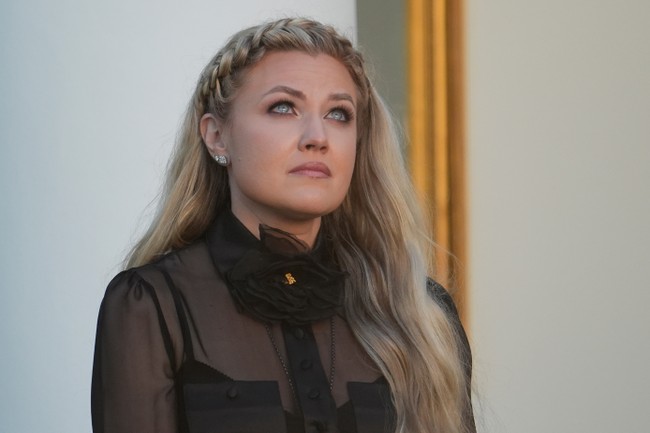
The piece examines a viral drag performance that impersonates Erika Kirk, covering the video’s reach, the performer’s fundraising pitch, reactions from viewers, and the broader cultural debate about satire, grief, and political contempt. It reports view counts and quoted lines from the performer while arguing that this act crosses from comedy into cruelty, focusing on how political identity shapes public mockery of a bereaved conservative figure. The article details audience responses, the performer’s stated fundraising goal, and the implications for how opponents treat those they deem ideologically unacceptable.
One LGBTQ outlet opened with, “One intrepid drag queen is attempting to change the world by impersonating Republicans,” and that tone set the frame for the coverage that followed. The story says the impersonations “garnered more than 7 million views combined,” a sign of how quickly mockery can spread when it taps into political anger. That viral reach matters because it amplifies not just a joke but a targeted public humiliation directed at a grieving widow.
The performer, normally known as Lauren Banall, adopted the stage name Erika Qwerk for these bits and posted material that drew intense engagement online, including a post reported to have 111k likes and nearly 4k comments. One video alone reportedly drew 4.5 million views, in which the performer lip-synced Erika quoting Luke 23:34 at her husband’s memorial while wearing a red blazer, white contact lenses, and exaggerated makeup. The choice to mimic that specific line and setting transformed a private moment of mourning into a staged punchline for cheers and laughter.
Audience reaction ranged from amused to gleefully vicious, with mocking lines about coffins and jewelry cropping up in comment threads and live crowd responses described as howling and applause. In another performance the performer staged a mock-cry while holding a sparkler, lip-syncing the phrase, “My husband Charlie,” which drew another round of hysterical laughter. These are not anonymous keyboard taunts; they are live, public performances with crowds cheering the denigration of someone who lost her husband to an alleged political-motivated murder.
Banall addressed followers directly, writing, “Thank you so much for all of this incredible response to my Erika Kirk number. It’s truly overwhelming,” and urged donations to a legal defense fund, adding, “We’ve re-ignited our Fund Rager page benefitting the ACLU so we can block the BS this next administration is doing in the courts! No kings, no grifters, no ICE!” The campaign had raised only $3,400 at the time of reporting, but the public pitch made the political aim explicit: use the attention to bankroll legal fights against conservative policies.
To conservatives, the performance reads less like biting satire and more like a display of contempt that targets someone still processing a violent personal loss. Mocking a widow’s grief during a memorial recreation touches raw nerves, especially when the victim’s husband was a polarizing conservative figure described by opponents as an “Anti-LGBTQ+ MAGA Influencer.” That label explains why some in the LGBTQ and left-leaning communities felt license to mock, but it does not erase the human consequences for the person imitated onstage.
The broader cultural pattern matters here: when a political movement decides someone is an enemy, mockery becomes permission to dehumanize, and satire becomes a cover for cruelty. That shift is notable because traditional drag targeted celebrities and archetypes for comic exaggeration, but turning grief into entertainment marks a harsher turn. The crowd’s eagerness to celebrate humiliation suggests a moral confidence that excuses attacking private pain when the target represents a disliked political identity.
This case also highlights how social media mechanics reward outrage and spectacle, making a single performance into millions of impressions and a fundraising plea tied to the performer’s political aims. Viral numbers alone—7 million combined views, one video with 4.5 million—create a momentum that can sustain harassment and normalize cruelty. For those on the receiving end, that momentum is not abstract: it is continued public exposure to scorn at scale.
Watching a community applaud someone imitating a woman who endured a public assassination of her spouse is deeply troubling to many conservatives because it signals a willingness to celebrate outrage instead of pause for empathy. The live laughter, mocking comments, and the performer’s explicit call to convert that attention into political donations combine into a cultural moment where ideological victory is measured by how casually a movement can humiliate its opponents. That choice to weaponize performance against a bereaved conservative reveals a striking cultural divide about where satire ends and cruelty begins.



I just came across this amazing way to earn $6,000-$8,000 a m0nth 0nline! No selling, no struggle—just a simple system that anyone can follow. Kelly Richards did it, and so can you! Don’t miss out on this life-changing 0pportunity. check it out by Limited time only – grab it before it’s gone!” .
Here is I started_______ PayAtHome1.Com