
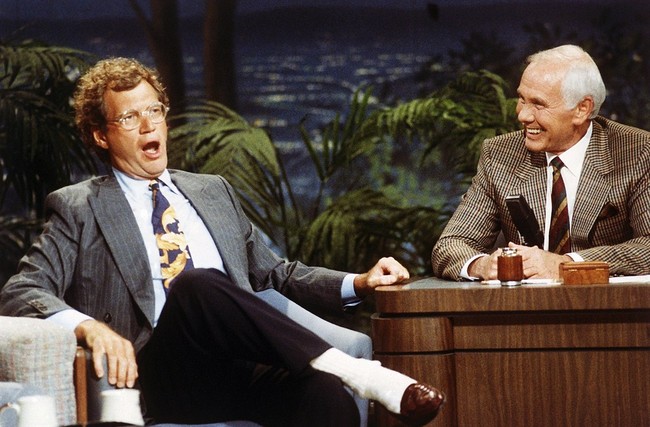
I remember starting out as a rookie reporter tossed onto the street to learn fast, whether covering late-night studios, city hospitals, or rainy anti-war protests, and those early jobs led to odd backstage moments with Johnny Carson, easy conversations with Gerald Ford before he reached the Oval Office, and a moving afternoon watching a shelter dog brighten days in nursing homes.
I was the expendable kid, sent to count marchers at a protest that drew more reporters than demonstrators and to wait at crowded hospitals hoping for a single useful line. Assignments ranged from verifying quotes at politicians’ dinners to staking out The Tonight Show tapings in case something broke for an evening deadline. Backstage access was thrilling, and I quickly learned that being unseen sometimes let you hear more than those onstage expected to reveal.
At Johnny Carson’s show I stood behind the curtain, listening and invisible, which meant encountering the mechanics that made spontaneous jokes feel effortless. There, on the director’s lectern, sat a script, and the so-called ad-libbed moments were often planted in advance. Producers pre-interviewed guests, then fed Johnny a conversational cue so he could steer the night’s bits toward plug lines and laughs.
Johnny would open with something like, “Somebody told me you had a luggage problem in Paris recently?” and the guest would play along, delivering the prearranged anecdote with practiced timing. A typical exchange might lead to a punchline about women’s underwear tumbling from a suitcase and Johnny following with, “Well, did it fit?” as the audience roared. After the pause and the chuckles, Johnny would tap his pencil and say, “We’ll be right back after these messages.” That routine taught me how television dresses an ordinary conversation in the clothes of entertainment.
Once John Lindsay appeared on the show and, despite my editor’s hint that he “might say something,” nothing of consequence landed for print. Still, that evening resulted in a slice of access rare for a rookie: an hour-long ride around Manhattan with the mayor and his bodyguard, a tour that felt like a reward for showing up even when the story didn’t materialize. Those kinds of small, human moments were as valuable as any headline because they taught me how relationships and trust are built in journalism.
Years earlier, during graduate school days spent in Washington, Gerald Ford turned up often in the press galleries as a genial, approachable figure who loved swapping tales about college football and carrier life in World War II. He’d sit with his feet up, listen to reporters of all ranks, and make time for conversation that didn’t always have a political edge. At the time he was the Republican House Minority Leader, and his warmth made him feel ordinary enough to be trusted and liked.
Later, when history pulled Ford into national drama as vice president and then president, the man on television felt altered from the one I had met in hallways and press rooms. He made hard, controversial choices, like pardoning Nixon and navigating the chaotic end of the U.S. presence in South Vietnam, and those decisions changed public perception. I never fully decided whether the job changed him or whether TV compressed and distorted nuances; what I did understand was how office, optics, and broadcast can recast a person’s image overnight.
Television’s reach fascinated me and alarmed me in equal measure, especially when I watched how a camera’s eye could make ordinary people behave oddly, like a cyclops sweeping over a football crowd and sending fans into theatrical fits. It rarely seemed just about beer; something about being watched pushes behaviors into caricature. After a lifetime covering people in public and private, I kept wondering about that invisible influence that turns private life into choreographed spectacle.
My pull toward shelter dogs feels consistent with that curiosity about real life behind appearances. As a child I had a St. Bernard, and later an ASPCA therapy program for seniors drew me into a scene where shelter dogs visited nursing homes. The dogs—once abandoned, now on weekly rounds—ignited conversations and smiles in ways medicine and routine rarely did. Staff told me the visits produced days of animated memories and anticipation, and watching those interactions felt like seeing something essential restored for both animals and people.
One dog, Mattie, had been a stray for four years before she found a purpose visiting seniors. She moved down hallways as if she owned the place, pausing at every outstretched hand for a pat or a treat. In Room 109, 96-year-old Agnes came alive on Tuesdays: “Here comes Mattie! Here she is. Hello, Mattie. Hi, Mattie. You came! How are you today?” The ritual was simple but potent; it changed how people moved through the day and how they connected with one another.
Another stop on Mattie’s route was Room 321, where Marian kept a tin of chocolate chip cookies for the dog, and a delayed third cookie brought laughter that might not have come otherwise. At Pearl’s bedside, the dog leaned in until the 92-year-old woman turned a pale hand and smiled, a tiny miracle of contact. It could all be coincidence, a string of random moments stitched into meaning, but the stubborn truth I saw was that companionship makes things better—human and canine alike.

Add comment