
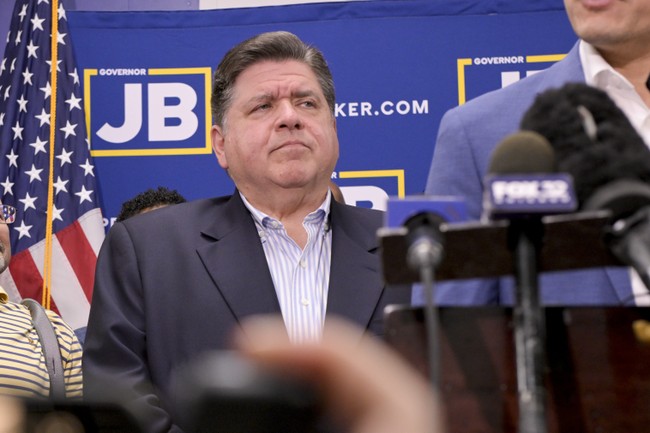
This article examines Illinois Gov. J.B. Pritzker’s public appeal to pause ICE activity in Chicago over Halloween, the federal response from DHS leadership, and the broader political clash over immigration enforcement and public safety in the city.
Illinois Governor J.B. Pritzker urged federal immigration officials to refrain from enforcement actions in Chicago during the Halloween weekend, citing concerns for children and families celebrating the holiday. The governor framed his appeal around protecting trick-or-treaters from exposure to crowd-control tactics, arguing that families deserve a safe, fear-free holiday. That intervention set off a sharp public exchange between state and federal officials about priorities and tactics in law enforcement. The dispute highlights tensions between local political leaders and federal agencies over public safety and immigration policy.
Pritzker’s request to the Department of Homeland Security asked for a temporary pause in enforcement activity, explicitly raising the possibility that operations could disrupt neighborhood celebrations. He described children as needing protection from intimidation and chemical agents during Halloween, making safety for families the central justification. The letter was framed as a short, specific ask to preserve a time-honored tradition for Illinois children. That appeal quickly became politicized as federal leaders pushed back.
“Illinois families deserve to spend Halloween weekend without fear. No child should be forced to inhale tear gas or other chemical agents while trick or treating in their own neighborhood,” Governor Pritzker wrote. “Illinois children should not be robbed of their innocence. Let them enjoy a time-honored American tradition safely and peacefully. Please let children be children for one holiday, free from intimidation and fear.”
At a press appearance, Pritzker accused federal authorities of “attacking peaceful neighborhoods and terrorizing kids in Halloween parades,” a line that amplified the emotional tenor of his complaint. That language drew an immediate and forceful reaction from DHS leadership, who characterized the governor’s portrayal as misleading. The back-and-forth underscored how public safety debates can quickly become rhetorical battlegrounds ahead of election cycles and policy fights.
A Fox News host asked Acting DHS leadership about whether enforcement patterns would change for the holiday, and Secretary Noem responded directly to Pritzker’s request. “He’s lying.” was the blunt rebuttal, followed by a more detailed defense of continued enforcement efforts. Noem emphasized ongoing arrests tied to violent crime and other serious offenses, arguing federal presence is needed to protect residents and restore safety in troubled neighborhoods.
Noem went on to insist federal agents would maintain or even increase activity to address violent offenders and protect communities, noting arrests of people accused of murder, sexual offenses, and drug trafficking. She framed the operation as targeted and necessary, rather than an indiscriminate campaign that would endanger families celebrating a holiday. That stance reflects a common federal argument: enforcement actions aim at criminals, not civilians, even when they occur in residential areas. The exchange made public the differing priorities between a state chief executive focused on optics and federal leaders focused on enforcement outcomes.
Pritzker’s statements and the federal rebuttal did not occur in isolation; they follow weeks of heated national debate over immigration policy and border security under the Biden administration. Critics of current federal leadership argue that lax border policy has created enforcement burdens in interior cities, while defenders of stepped-up operations stress the need to arrest dangerous offenders regardless of timing. The clash in Chicago became a flashpoint for those competing narratives, with each side appealing to public safety and community peace as justification for their position.
Local leaders and federal officials frequently disagree on tactics, even when they share the same broad goal of safer neighborhoods, and this episode underscores that reality. Pritzker positioned his letter as a narrow, temporary protection for families celebrating Halloween, while DHS framed the request as a politicized attack that ignored the agency’s crime-fighting work. The debate highlighted how the same event can be cast as either a threat to public celebration or a necessary moment to remove violent actors from the streets.
Coverage of the dispute included televised exchanges and commentary that further amplified the rhetoric, turning a single holiday request into a national talking point. Media framing and political timing influenced how both sides communicated with their constituencies, raising the stakes well beyond the weekend in question. Observers noted that such clashes often serve both policy and electoral aims, as officials seek to demonstrate resolve on crime or compassion for families.
Beyond the immediate spat, the episode raises questions about coordination between state and federal authorities during sensitive public moments and how best to balance enforcement with community events. The competing public statements made clear that alignment on messaging, if not always on tactics, would be crucial to prevent escalation and confusion in neighborhoods. As the debate continues, both sides will likely keep staking out firm public positions about how to protect residents while pursuing law enforcement priorities.
Add comment