
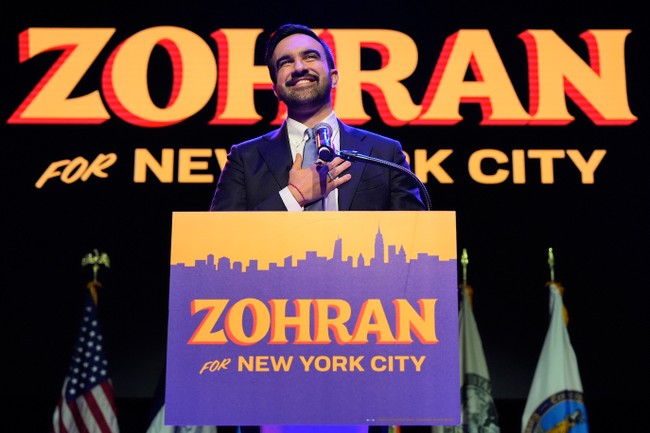
I’ll outline how the article will examine the mayor-elect’s cost-of-living claims, highlight the interview stumble, assess the policy risks of rent freezes and tax hikes, quote critics directly, and explain why these ideas are dangerous for New Yorkers.
Zohran Mamdani ran on radical-sounding promises to lower the cost of living in New York City, and now reporters have caught him and his advisers unable to point to any real-world example where those policies have worked. That gap matters because rhetoric without practical models is just wishful thinking, and New Yorkers deserve practical plans that actually sustain neighborhoods. The city’s challenges are complex, and broad slogans about making life cheaper need clear, tested mechanisms to stand up to scrutiny.
A New York magazine writer pressed Mamdani and his circle for examples of cities that had successfully reduced living costs in ways his platform suggests, and the team came up empty. That moment is revealing: when asked “for a comparable city as the democratic socialist waxed poetic about his lofty ‘principle’ of bringing down the cost of living in the five boroughs,” they could not name one. An inability to cite comparables suggests policy thinking driven more by ideology than by successful precedent.
The reaction from policy analysts quoted in that piece was blunt: the only places that saw big drops in cost of living were those where the quality of life cratered and people left. “Talk to policy experts, and they find the prospect laughable; the only cities where this has happened are ones where the quality of life dropped so dramatically that no one wanted to live there anymore,” the reporting said. That warning ought to ring loud for anyone who cares about safe streets, functioning services, and maintained buildings.
One core proposal Mamdani has touted is freezing rents, and critics warn this would backfire by removing landlords’ incentive and ability to maintain properties. Freezing rents may sound helpful at first glance, but it changes the economics of building upkeep overnight, and that can lead to deteriorating housing stock. When maintenance budgets vanish, tenants suffer, and the supply of decent housing shrinks rather than grows.
As a blunt assessment of what follows from a rent ceiling put it: “And freezing rents does the exact opposite of providing affordable housing. Then landlords wouldn’t be able to afford to maintain the buildings, and they would sink into disrepair, defeating the purpose of providing affordable and livable housing.” Those are basic market dynamics, not partisan talking points, and ignoring them risks repeating failed experiments elsewhere.
Mamdani also promised programs like free busing, claiming he would fund them by targeting wealthy individuals and corporations. That raises immediate practical questions about business flight and the city’s tax base: if you squeeze firms and investors, they may simply relocate, taking jobs and tax revenue with them. The incoming leader of the city’s premier business group put it in stark terms: “This proposal is absolute suicide for NYC and an absolute dream for NJ.”
Tax policy can’t be treated as a magic money tree; higher corporate levies can reduce investment and employment, which then shrinks the revenue pool the city counts on. When officials promise expanded services paid for by punitive taxes, they often overlook the second-order effects that hollow out the economy. Realism about incentives matters, and the city needs leaders who plan for how businesses and housing markets actually respond.
The broader theme here is clear: ideological solutions without empirical backing endanger the very people they claim to help. History shows that centralized controls and steep tax hikes rarely produce affordability and often produce shortages, decline, and higher long-term costs for residents. New Yorkers should demand policy grounded in tested approaches that preserve housing quality, keep jobs in the city, and maintain public services without driving away the private-sector activity that funds them.
During the transition, the mayor-elect and his advisers have a responsibility to move beyond slogans and present actionable plans with realistic economic assumptions. Voters who want lower costs do not benefit from utopian promises; they need workable strategies that encourage investment, protect housing, and keep the city livable. The stakes are high, and the next steps from City Hall will show whether rhetoric translates into competent governance or costly experiments that leave neighborhoods worse off.


Add comment