
I’ll trace how hockey fanned a public spat between the United States and Canada, describe the key moments that escalated tensions, explain a surprising moment of local goodwill in Buffalo, and show how beer and sports are nudging a thaw in relations.
Tension with Canada sprang up early in Donald Trump’s 2024 campaign and carried through his presidency, with trade moves and plainspoken rhetoric unsettled many Canadians. Tariff policy and pointed remarks about sovereignty irritated political activists north of the border, and those frustrations fed into cultural flashpoints. Hockey, always more than a game in both countries, became the stage where national pride and annoyance collided.
The 4-Nations tournament in February 2025 made that collision public when, in Montreal, the local crowd booed the U.S. national anthem. The American players answered on the ice almost immediately, sparking several fights at the opening puck drop. That spectacle did more than entertain; it widened a rift that had been building in comments sections, diplomatic notes, and social chatter.
Matters intensified at the Winter Olympics the next year, when Team USA swept golds in men’s, women’s, and Paralympic hockey. Victories meant celebration at home and outrage among some Canadian fans who felt slighted, evidence that sports success can amplify geopolitical gripes. For a short while the rivalry nudged beyond friendly trash talk into something more awkward and public.
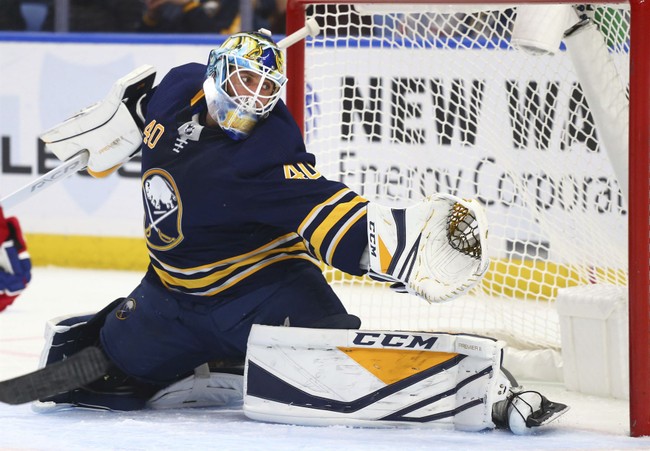
Last week in Buffalo, a quieter moment suggested a reverse trend: small, local rituals softening national tensions. The Sabres, long absent from playoff hockey, had brought out a tradition that surprises many: Buffalo crowds often sing the Canadian anthem, honoring fans who cross from the Ontario side of Niagara Falls. That regional courtesy highlights how border communities intermix daily life regardless of federal policy headlines.
At the pregame ceremony, the anthem singer’s microphone failed and the crowd finished the Canadian anthem a cappella and full-throated. The act was simple, unforced, and unmistakably respectful. In a moment that could have been awkward it became a display of neighborly solidarity instead of a political stunt.
Local beer culture then turned that goodwill into a literal toast. Molson, a Canadian brewer, pledged to buy Sabres fans a beer at select Buffalo bars as a thank-you for the crowd’s show of respect. That corporate gesture wasn’t a treaty, but it operated like one: a low-cost, high-visibility olive branch that acknowledged shared tastes and friendly rivalry.
Buffalo already has strong ties to Canadian brewing; Labatt’s recently opened an American brewhouse in town, demonstrating how commerce crosses the border even when politicians spar. These business ties and shared pastimes—sports bars, tailgates, and cross-border weekends—keep day-to-day relations more practical than polarized. Cultural bridges like these are where real reconciliation often starts.
From a Republican perspective, this is a good reminder that strong foreign policy doesn’t have to mean constant social distance. You can defend American interests while recognizing that citizens of neighboring countries trade, drink, and cheer together. Little acts of mutual respect on the ground can ease diplomatic friction more effectively than press releases and tariff spreadsheets.
Sports and beer are not a substitute for hard negotiations, but they can create the social capital leaders need to make deals easier. A community that shares a laugh at a rink and a beer at a bar is less likely to let nationalistic outrage become permanent estrangement. These everyday ties matter because they shape public opinion and give diplomats room to move.
The Buffalo episode is a reminder that culture often leads where policy follows; when fans refuse to weaponize an anthem, businesses respond in kind, and ordinary people end up doing the real work of neighbor-making. That dynamic isn’t glamorous, but it’s durable—built on habits and rituals rather than sound bites.
Keep an eye on small gestures and local stories like this one. They won’t headline every foreign-policy briefing, yet they show how nations can repair frayed ties without grand ceremonies. Sports and shared industries create pathways back to normalcy, one respectful chant and one offered beer at a time.
Editor’s Note: Every single day, here at RedState, we will stand up and FIGHT, FIGHT, FIGHT against the radical Left and deliver the conservative reporting our readers deserve.

Add comment