
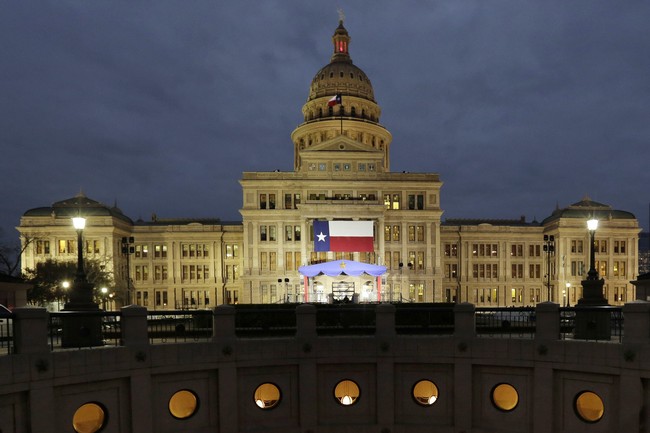
The special election in Texas that flipped a long-held Republican seat to a Democrat is a wake-up call about turnout, messaging, and the relentless need to contest every race; this article breaks down what happened, why it matters for the GOP, and what to press on heading into 2026.
The upset came in a district Republicans have controlled for decades and where President Trump carried the vote by double digits in 2024. The Democrat, Taylor Rehmet, won decisively in the special election and will serve out the remainder of the term through January 2027. That short window matters because the Texas Legislature only meets for 140 days in odd-numbered years, so the seat has limited immediate legislative impact but big electoral symbolism.
Democratic Texas Senate candidate Taylor Rehmet defeated Trump-endorsed Republican Leigh Wambsganss in a Saturday special election for a seat the president won by double digits three times, multiple outlets project.
Rehmet, a union leader and Air Force veteran, won 57.2% of the vote compared to Wambsganss’s 42.8%, with 95% of the vote in, according to The Associated Press (AP).
Special elections often have low turnout and skew toward the most motivated voters. That dynamic makes them a poor-weather test for party durability, yet they are also a clear warning sign when a supposedly safe seat flips. The GOP should treat this as both a local failure to mobilize and a strategic signal about how Democrats can win when voters fail to show.
President Trump had endorsed Leigh Wambsganss and national attention poured into the race from both sides. The Democratic candidate attracted DNC support and significant outside resources that helped drive turnout. Money and organization matter, but so does the ground game in low-turnout contests where a few thousand votes can swing outcomes.
Rehmet’s term ends with the regular legislative session in January 2027 looming, meaning any policy consequences are limited until then. Texas lawmakers meet for 140 days in odd-numbered years and can call special sessions for narrow topics, so the practical effects of this pick-up are modest in the short term. The bigger impact is political: this seat will be contested again in November 2026 and Republicans can’t assume a safe hold just because of historic margins.
Republicans have a predictable habit of underrating special elections and then panicking in general elections; both behaviors cost votes. If Republicans want to prevent surprises, the remedy is simple: show up, invest in local races, and treat every contest like it matters. Turning out only in presidential years leaves gaps Democrats will exploit.
The messaging battle matters as much as turnout. Democrats have been pushing an affordability narrative and will try to claim economic credit, so conservative voices must consistently make the case for Republican economic stewardship. The party needs tight, repeated messaging on the gains seen under conservative economic pressure: growth, lower inflation, stronger incomes, and relief at the pump.
In the piece, the writer stresses economic points with a line from Stephen Moore: “Q4 growth nearly 5.5%, inflation down to 2.7%, median family income up $2,500, gas prices low.” That sort of concrete data resonates when paired with real examples people see in their wallets. Facts alone don’t win — but facts framed in terms of pocketbook impact and contrasted with Democratic policy proposals can blunt their talking points.
Another lesson is to counter Democratic claims on immigration and enforcement aggressively. The author argues Democrats incite obstruction and then blame Republicans, so a clear Republican narrative that emphasizes law, order, and enforcement cuts against that. Push the facts, show the consequences of weak enforcement, and keep the focus on safety and legal order.
Party discipline on turnout and message discipline on economics and immigration are the actionable takeaways here. Don’t treat special elections as low stakes and don’t cede the economy narrative to Democrats. If Republicans execute on both fronts, they can prevent an upset like this from becoming a trend heading into the next statewide and national cycles.
Finally, the result is a reminder that every district can be competitive when voters stay home. The GOP needs a sharper focus on local recruitment, rapid response, and constant voter contact to close the gap in off-cycle contests. Winning requires attention to the small things as much as the big headlines.
Stephen Moore, “Q4 growth nearly 5.5%, inflation down to 2.7%, median family income up $2,500, gas prices low.” People need to hear it and feel it.


I just came across this amazing way to earn $6,000-$8,000 a m0nth 0nline! No selling, no struggle—just a simple system that anyone can follow. Kelly Richards did it, and so can you! Don’t miss out on this life-changing 0pportunity. check it out by Limited time only – grab it before it’s gone!” ..
Here is I started_______ PayAtHome1.Com