
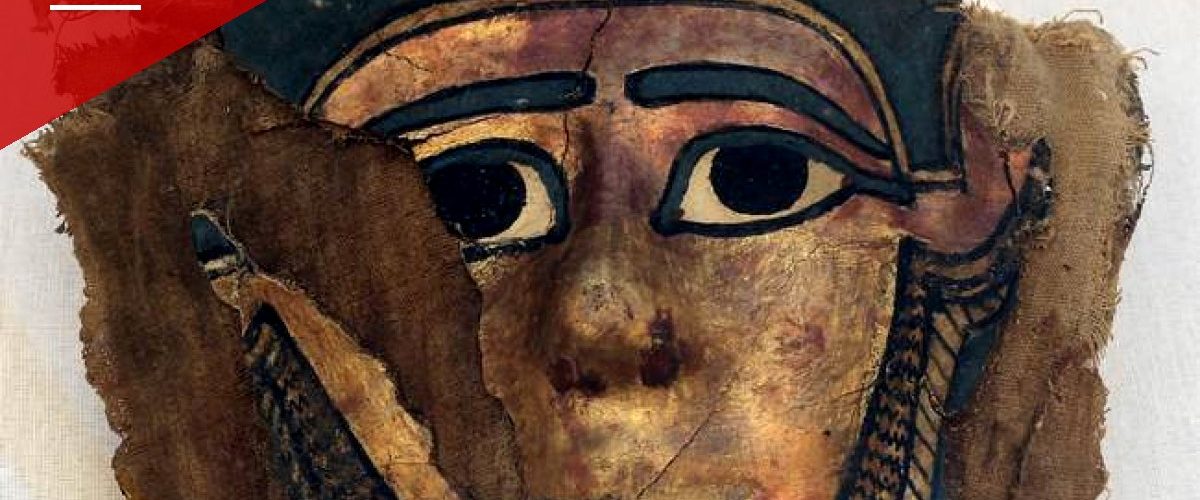
Homeland Security Investigations in Tampa, working with Customs and Border Protection, has seized more than 22,000 artifacts from antiquities smugglers in what officials describe as one of the largest recoveries of its kind. The agency announced the operation Thursday.
The items reportedly came from sites across Europe, Africa, the Holy Land and the Eastern Mediterranean. HSI, a division of ICE within the Department of Homeland Security, said preliminary evaluations indicate some objects may date back between 1,000 and 5,000 years, though full identification and authentication will take considerable time.
HSI has not disclosed how the artifacts were recovered or whether any arrests have been made in connection with the case.
Officials Cite Broader Criminal Networks
HSI Tampa acting Special Agent in Charge Micah McCombs framed the seizure as more than a matter of law enforcement.
“Preserving cultural heritage is not only a matter of law enforcement, but also a commitment to history and humanity. The trafficking of cultural property not only robs civilizations of their heritage, but also channels money into transnational criminal organizations, results in international financial crimes and, in some cases, even funds terrorist activities.”
HSI describes cultural property, art and antiquities smuggling as a global crime that lets criminals profit from stolen history while laundering money. According to the agency, trafficked items have included Egyptian sarcophagi, historical letters from Christopher Columbus, dinosaur eggs and fossils, stolen museum displays, excavation-site artifacts, and property looted from conflict zones. HSI notes the trade is attractive to criminal networks in part because it carries comparatively low risk relative to offenses like narcotics smuggling.
HSI Tampa Special Agent Leanna Richardson, the case agent on the investigation, described the experience of handling the recovered items.
“I never imagined I’d hold an object that may have been created more than 4,000 years ago. It’s like touring a museum with your own personal archaeologist as a tour guide and you get to touch all the pieces.”
A Murky, Lucrative Market
The full size of the illicit antiquities trade is unknown, since those running it do not report their earnings to authorities, but estimates put it in the hundreds of millions of dollars and possibly higher. The RAND Corporation, a nonprofit research organization, has identified the market as a funding source for terrorist organizations, organized crime and rogue states, and has characterized it as a national security concern that is difficult to detect because of its clandestine nature.
HSI says it is now working with researchers and academics to authenticate and preserve the recovered pieces, with the goal of eventually returning them to their countries of origin.

Add comment